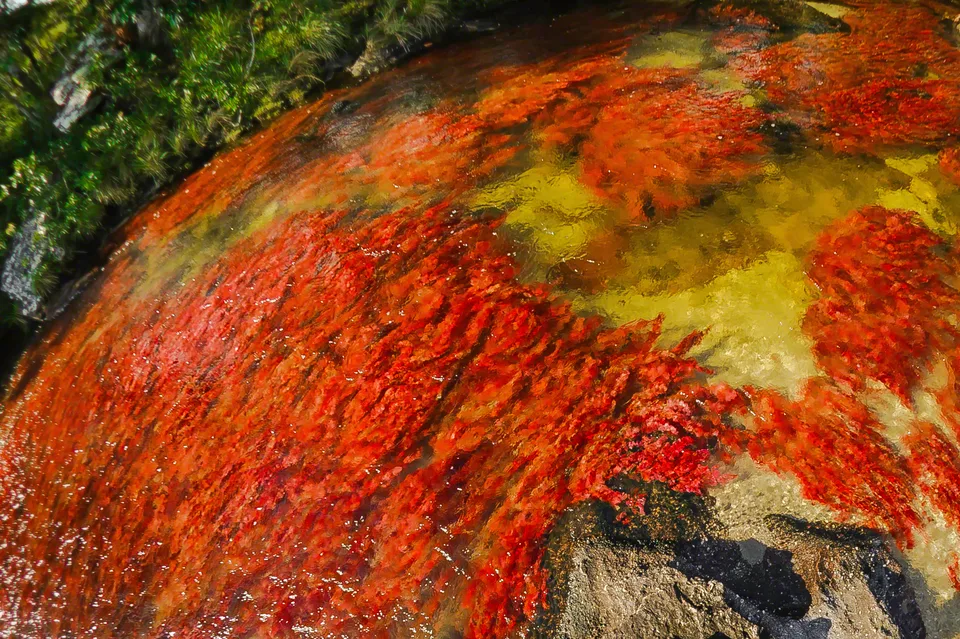
Rainforest meeting the Pacific

Choco Coast

Rainforest descends directly to dark beaches, mangroves and a powerful Pacific coast in one of the wettest regions of the Americas.

Pacific rainforestMangrovesAfro-Colombian communities

Location
Pacific Colombia, Colombia
Best window
Jan-Mar, Jul-Oct
Suggested stay
2-4 days
Go for
Rainforest and ocean journey
The reason to go

Nuqui and surrounding bays

Small settlements, beaches and forested headlands provide an accessible introduction to the coast.

Plan the least frequent boat, ferry or exposed coastal section first. Use early or late light and keep a weather alternative during Jan-Mar, Jul-Oct.

Look a little closer

Worth discovering

The details that make Choco Coast different.

Destination view
01

Nuqui and surrounding bays

Small settlements, beaches and forested headlands provide an accessible introduction to the coast.

Destination view
02

Utria inlet

A sheltered marine and mangrove landscape contrasts with the exposed Pacific shore.

Destination view
03

River communities

Water routes reveal how settlement and daily life are organised beyond the few coastal airstrips.

Photo journal

A closer look at Choco Coast

4 photographs
Origins and change

The landscape memory of Choco Coast

Rainforest descends directly to dark beaches, mangroves and a powerful Pacific coast in one of the wettest regions of the Americas. This account follows the forces, communities and decisions that made the present landscape.

The Choco coast is a narrow, humid landscape where dense rainforest reaches the Pacific with little intervening plain. Rivers, mangrove estuaries and dark-sand beaches structure movement, while road connections are limited. Boats and small airstrips remain central to access.

Many visits to Choco Coast begin with the experience described as “Nuqui and surrounding bays”. The more revealing question is why it exists here, how people used the surrounding ground and what remains visible from earlier phases. Small settlements, beaches and forested headlands provide an accessible introduction to the coast.

Continue to practical planning
Choco piraugasSee the complete photo journal
Natural history

What the ground explains

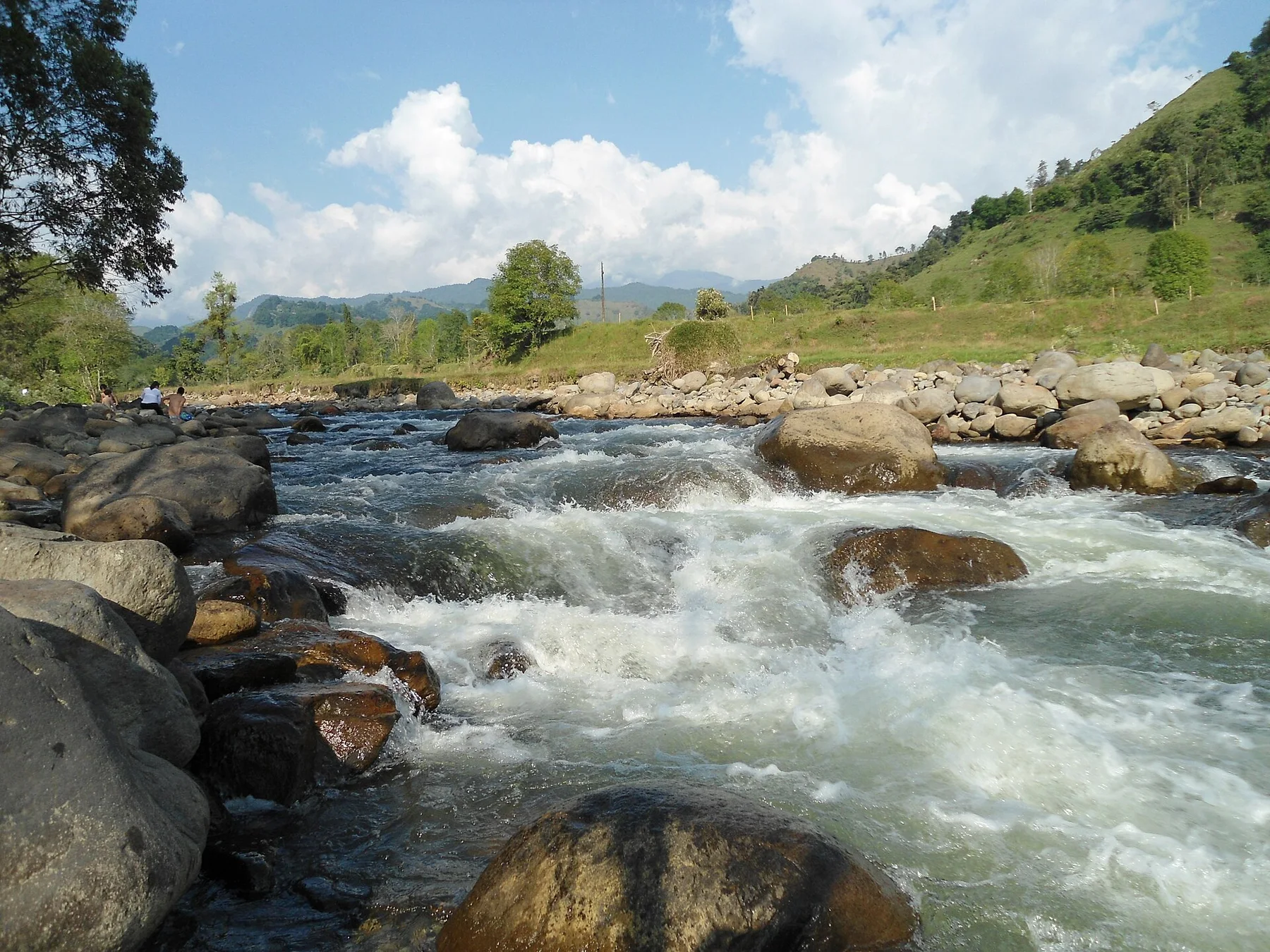
At Choco Coast, the physical story begins with the structure of the ground. Heavy rainfall feeds short, powerful rivers descending from nearby hills. Beaches are separated by rocky headlands and forest, and tidal conditions shape estuaries and village landings. The sea is energetic, with strong currents and seasonal whale migrations.

On an island, coast, altitude and exposure work together. At Choco Coast, the feature described as “Nuqui and surrounding bays” shows how a short distance can separate sheltered ground from a very different ocean-facing environment. Small settlements, beaches and forested headlands provide an accessible introduction to the coast.

Settlement and memory

How people learned to live here

At Choco Coast, human history is written into settlement and land use rather than separated from the scenery. Afro-Colombian and Indigenous communities have long adapted to river and coastal transport, fishing, small-scale agriculture and forest resources. Local guides and community businesses are essential to meaningful travel, while infrastructure remains uneven.

The role of “Utria inlet” is especially revealing at Choco Coast. A sheltered marine and mangrove landscape contrasts with the exposed Pacific shore. In the history of Choco Coast, it connects the wider regional context with a specific place that can still be examined today.

Turning point

What altered the old balance

The decisive modern change at Choco Coast was access. At Choco Coast, transport and visitor infrastructure made the landscape easier to reach while concentrating pressure at the few points where roads, boats or trails enter it. At Choco Coast, the current visitor experience is the newest layer rather than the whole history.

Visible evidence

Landmarks that carry the deeper story

At Choco Coast, the feature “Nuqui and surrounding bays” provides a precise clue to how the landscape works. Small settlements, beaches and forested headlands provide an accessible introduction to the coast. At Choco Coast, the detail links local scale with the wider regional pattern.

At Choco Coast, the feature “Utria inlet” is best understood as part of the surrounding system rather than an isolated stop. A sheltered marine and mangrove landscape contrasts with the exposed Pacific shore. For Choco Coast, that relationship is more informative than treating the feature only as a photograph or checklist item.

Look closely at the feature “River communities” in Choco Coast; it carries information that a panoramic view can miss. Water routes reveal how settlement and daily life are organised beyond the few coastal airstrips. Within Choco Coast, the feature explains why this destination differs from nearby landscapes.

Season and scale

What continues to change

A single visit to Choco Coast captures only one phase of its annual cycle. There is rain throughout the year, but some months offer relatively calmer seas and more predictable travel. Whale-watching season overlaps with wetter conditions. Humidity is constant, and plans should allow for delays.

For Choco Coast, the main seasonal constraint is: the strongest planning window is Jan-Mar, Jul-Oct. For Choco Coast, outside it, check weather, daylight, road or ferry schedules and seasonal closures before committing to a fixed route.

For Choco Coast, one practical detail matters: wind, sea state and tide can matter as much as distance. For Choco Coast, check conditions before boat trips, exposed cliffs or tidal sections.

Placed within its wider geography, Choco Coast is not an isolated exception. For Choco Coast, the wider context shows that, the Choco biogeographic region extends beyond Colombia into Panama and Ecuador. For Choco Coast, its significance lies in the continuity of rainforest, coast and cultural landscapes across national borders.
Travel notes

Plan your visit

Time needed
2-4 days
Getting around
Car or local transport, plus coastal walks and occasional boat links
Effort
Moderate
Plan first
Accommodation and seasonal transport
Time of day
Early morning and late afternoon
Best window
Jan-Mar, Jul-Oct
Traveller stories

Stories from people who have been here.

First-hand moments, practical notes and overlooked details from Choco Coast.

Loading traveller stories…

Browse all traveller stories ↗

Keep exploring

Where next?

All place stories