Quiet Society Island

Huahine

A green double island of lagoon, archaeological sites, farms and quiet villages offers a less compressed side of the Society Islands.

Lagoon channelsPolynesian archaeologyRural island life

Location
Society Islands, French Polynesia
Best window
May-Oct
Suggested stay
3-5 days
Go for
Lagoon and village circuit
The reason to go

Maeva archaeological landscape

Marae, fish traps and lake-edge settlement show a long relationship between culture and water.

Plan the least frequent boat, ferry or exposed coastal section first. Use early or late light and keep a weather alternative during May-Oct.

Look a little closer

Worth discovering

The details that make Huahine different.

Destination view
01

Maeva archaeological landscape

Marae, fish traps and lake-edge settlement show a long relationship between culture and water.

Destination view
02

Huahine Iti road

The southern island offers quiet bays, farms and mountain views away from the main town.

Destination view
03

Lagoon passes

Channels through the reef reveal the connection between protected inner water and the open Pacific.

Photo journal

A closer look at Huahine

12 photographs
Beyond the surface

The landscape memory of Huahine

A green double island of lagoon, archaeological sites, farms and quiet villages offers a less compressed side of the Society Islands. Its character becomes clearer when geology, settlement and modern protection are considered together.

Huahine consists of two high volcanic islands linked by a short bridge and enclosed by a broad lagoon. Forested ridges, coastal villages and agricultural land create a more dispersed landscape than the resort-focused image of some neighbouring islands.

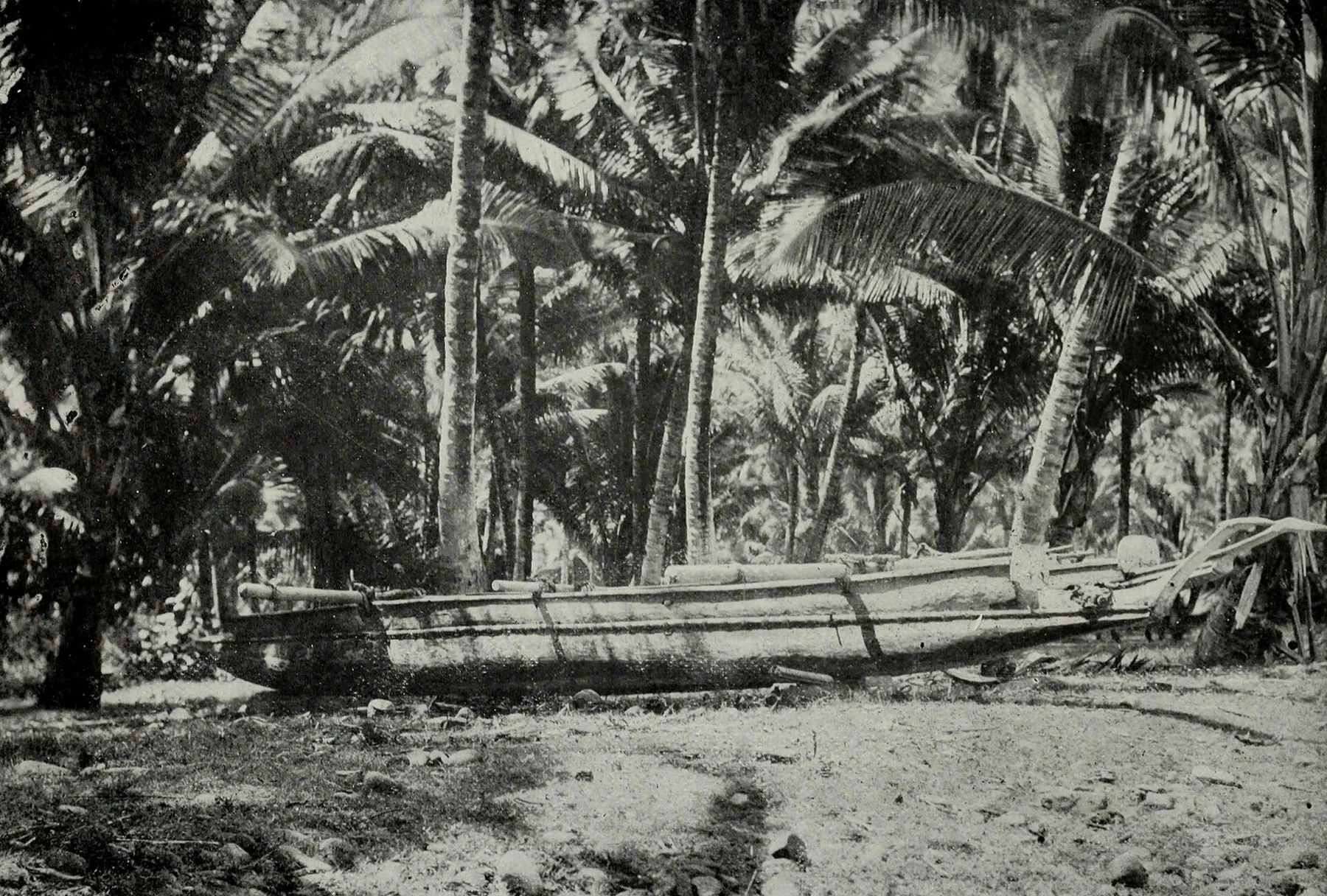
Many visits to Huahine begin with the experience described as “Maeva archaeological landscape”. The more revealing question is why it exists here, how people used the surrounding ground and what remains visible from earlier phases. Marae, fish traps and lake-edge settlement show a long relationship between culture and water.

Continue to practical planning
Marara 2022 7198277See the complete photo journal
Physical setting

Why the terrain has this form

Understanding Huahine starts below the visible surface. The lagoon contains shallow turquoise water, reef passes and protected bays, while the interior rises into steep green mountains. Taro fields, fruit gardens and fish traps occupy flatter ground around streams and village edges.

The map understates the role of the sea. At Huahine, “Maeva archaeological landscape” makes clear that water is both a boundary and the route through which settlements, wildlife and outside connections developed. Marae, fish traps and lake-edge settlement show a long relationship between culture and water.

Cultural landscape

The human landscape behind the scenery

At Huahine, daily life gives the terrain a historical meaning that a viewpoint alone cannot provide. Marae complexes, traditional fish traps and living Polynesian communities give Huahine exceptional cultural depth. Tourism is present but remains integrated with farming, fishing and local settlement rather than dominating the entire coast.

At Huahine, “Huahine Iti road” should not be treated as a decorative detail. The southern island offers quiet bays, farms and mountain views away from the main town. The feature records how construction, movement or livelihood adapted to local conditions at Huahine.

Modern history

The transition visible today

The decisive modern change at Huahine was access. At Huahine, transport and visitor infrastructure made the landscape easier to reach while concentrating pressure at the few points where roads, boats or trails enter it. Huahine should therefore be read as an evolving cultural landscape rather than a timeless scene.

Details to read

Landmarks that carry the deeper story

At Huahine, the feature “Maeva archaeological landscape” provides a precise clue to how the landscape works. Marae, fish traps and lake-edge settlement show a long relationship between culture and water. Within Huahine, it is both an attraction and a record of the processes described above.

At Huahine, the feature “Huahine Iti road” is best understood as part of the surrounding system rather than an isolated stop. The southern island offers quiet bays, farms and mountain views away from the main town. At Huahine, the detail links local scale with the wider regional pattern.

Start with the feature “Lagoon passes”, because it condenses a much larger part of the story of Huahine. Channels through the reef reveal the connection between protected inner water and the open Pacific. Within Huahine, the feature explains why this destination differs from nearby landscapes.

Continuity

The current chapter

At Huahine, season is part of the landscape history, not merely a planning detail. The drier season brings more reliable lagoon conditions and comfortable road travel. Tropical rain is possible throughout the year, and humid weather keeps the island green. Sea conditions vary around reef passes.

For Huahine, the main seasonal constraint is: the strongest planning window is May-Oct. For Huahine, outside it, check weather, daylight, road or ferry schedules and seasonal closures before committing to a fixed route.

For Huahine, one practical detail matters: ferries, tunnels and weather can change the order of the day. For Huahine, build the route around the least frequent connection, not the closest viewpoint.

Placed within its wider geography, Huahine is not an isolated exception. Huahine sits within the Society Islands route but deserves more than a brief ferry stop. For Huahine, a circuit of both main islands reveals archaeological, agricultural and marine landscapes together.
Travel notes

Plan your visit

Time needed
3-5 days
Getting around
Car or local transport, plus ferries or boats and short walks
Effort
Moderate
Plan first
Main transport and accommodation
Time of day
Start early for clearer conditions and more time
Best window
May-Oct
Traveller stories

Stories from people who have been here.

First-hand moments, practical notes and overlooked details from Huahine.

Loading traveller stories…

Browse all traveller stories ↗

Keep exploring

Where next?

All place stories