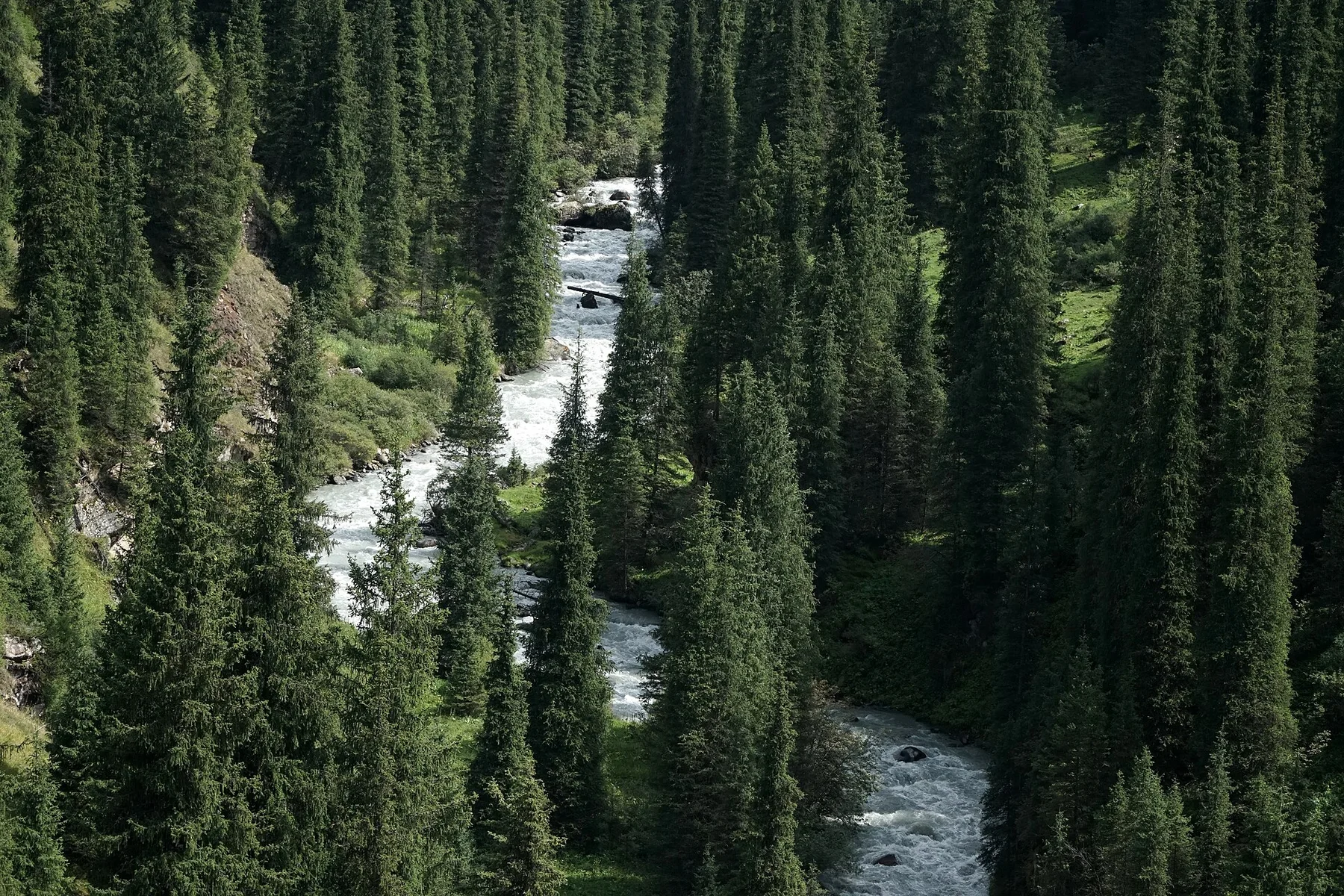
A small culture in high valleys

Kalash Valleys

Three steep Hindu Kush valleys where the Kalash community maintains a distinctive language, seasonal festivals and timber-built settlements.

Mountain cultureFestivalsValleys

Location
Chitral, Hindu Kush, Pakistan
Best window
May-Oct
Suggested stay
3-5 days
Go for
Cultural mountain journey
The reason to go

A living culture inseparable from its terrain

The Kalash valleys are compelling when approached through daily agriculture, architecture, sacred spaces and seasonal movement rather than as a collection of festival images.

Stay long enough to connect Kalash Valleys's headline landscape with one quieter local route rather than treating it as a single viewpoint.
Look a little closer

Worth discovering

The details that make Kalash Valleys different.

Destination view
01

A rare language and religion

Kalasha language and pre-Islamic religious traditions have survived within a very small population surrounded by larger cultural groups.

Destination view
02

Timber terraces

Dense villages use timber, stone and stacked terraces to fit homes, paths and communal spaces onto steep slopes.

Destination view
03

A calendar of seasons

Festivals mark spring, harvest and winter cycles, linking ritual life closely to farming and pastoral rhythms.

Photo journal

A closer look at Kalash Valleys

4 photographs
Origins and change

Kalash Valleys: the story behind the landscape

Three steep Hindu Kush valleys where the Kalash community maintains a distinctive language, seasonal festivals and timber-built settlements. The view is only the surface of a longer story of formation, use and change.

The Kalash valleys are compelling when approached through daily agriculture, architecture, sacred spaces and seasonal movement rather than as a collection of festival images.

Visitors often encounter Kalash Valleys through the idea of “Cultural mountain journey”, but the destination is more than that single scene. Its landscape carries evidence of work, movement, adaptation and environmental change. At Kalash Valleys, allow enough time to connect Kalash Valleys's headline landscape with one quieter local route instead of reducing Kalash Valleys to a single viewpoint.

Continue to practical planning
Kalash girl in traditional dressSee the complete photo journal
Natural history

How the landscape was assembled

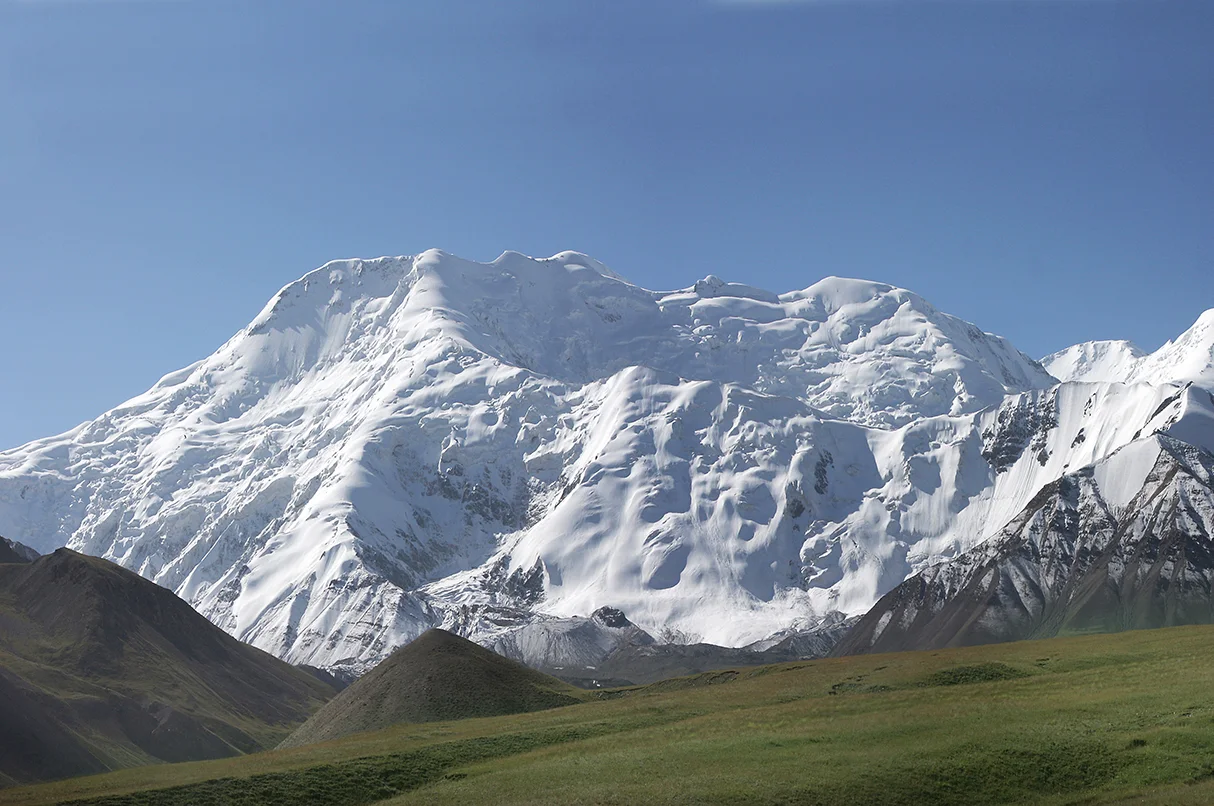
Understanding Kalash Valleys starts below the visible surface. Narrow river valleys rise into dry, forested and alpine Hindu Kush slopes, with cultivated terraces concentrated wherever water and level ground allow.

The most revealing evidence at Kalash Valleys is not always monumental. “A rare language and religion” connects everyday use with the larger historical landscape. Kalasha language and pre-Islamic religious traditions have survived within a very small population surrounded by larger cultural groups.

Settlement and memory

Settlement, movement and local knowledge

The Kalasha of Bumburet, Rumbur and Birir speak a Dardic language and maintain a non-Islamic religious tradition distinct from surrounding Chitral. Their terraced fields, irrigation channels, seasonal pastures, wooden houses and ritual spaces reflect adaptation to narrow Hindu Kush valleys rather than isolation from regional trade.

The valleys formed part of the princely state of Chitral and lay beside Kafiristan, whose people were forcibly converted after the Afghan conquest of the 1890s. Kalasha communities remained on the British Indian side of the frontier, but land pressure, conversion, schooling and tourism steadily reduced their demographic and cultural space.

Change

The transition visible today

Legal protection and cultural festivals increased visibility without resolving questions of land, representation and visitor behaviour. The living value of the valleys lies in household architecture, agricultural cycles and ritual practice, not in treating residents as a surviving display from the past.

Details to read

Three details that explain the whole place

Look closely at the feature “A rare language and religion” in Kalash Valleys; it carries information that a panoramic view can miss. Kalasha language and pre-Islamic religious traditions have survived within a very small population surrounded by larger cultural groups. Its position and condition at Kalash Valleys connect physical history with the way people use the place now.

At Kalash Valleys, the feature “Timber terraces” provides a precise clue to how the landscape works. Dense villages use timber, stone and stacked terraces to fit homes, paths and communal spaces onto steep slopes. For Kalash Valleys, that relationship is more informative than treating the feature only as a photograph or checklist item.

Start with the feature “A calendar of seasons”, because it condenses a much larger part of the story of Kalash Valleys. Festivals mark spring, harvest and winter cycles, linking ritual life closely to farming and pastoral rhythms. Within Kalash Valleys, the feature explains why this destination differs from nearby landscapes.

Present day

The place within its wider region

At Kalash Valleys, season is part of the landscape history, not merely a planning detail. Spring festivals and autumn harvests offer strong cultural context, while midsummer is warmer and busier. Winter access and comfort are more demanding.

For Kalash Valleys, the most useful time of day is: morning village walks.

For Kalash Valleys, plan this first: local accommodation and respectful festival access.

Placed within its wider geography, Kalash Valleys is not an isolated exception. For Kalash Valleys, the wider context shows that, chitral town, the Lowari approaches and wider Hindu Kush valleys show the region's linguistic and ecological diversity.

Chronology

Key dates

  1. Kalasha valley culture

    Language, polytheistic ritual and mixed farming developed within the Chitral mountain system.

  2. Frontier hardens

    The Afghan conquest of neighbouring Kafiristan and British influence in Chitral placed the valleys on a sharper political boundary.

  3. Tourism and cultural protection

    Festivals gained international attention while communities faced conversion, land and conservation pressures.

In context

Get to know the place

The landscape

Narrow river valleys rise into dry, forested and alpine Hindu Kush slopes, with cultivated terraces concentrated wherever water and level ground allow.

People and place

The Kalash community maintains distinct dress, language, ritual and social spaces while also navigating tourism, education and rapid regional change.

Seasonal character

Spring festivals and autumn harvests offer strong cultural context, while midsummer is warmer and busier. Winter access and comfort are more demanding.

Beyond the main view

Chitral town, the Lowari approaches and wider Hindu Kush valleys show the region's linguistic and ecological diversity.

Travel notes

Plan your visit

Time needed
3-5 days
Getting around
Road vehicle and walking
Effort
Moderate
Plan first
Local accommodation and respectful festival access
Time of day
Morning village walks
Best window
May-Oct
Keep exploring

Where next?

All place stories