The route combines quiet lake travel, forest portages and a small historic cabin, giving the park a clear multi-day objective rather than a collection of separate stops.
Start with the signature stop, then leave enough time to follow one secondary route without rushing between disconnected photo stops.
Look a little closer
Worth discovering
The details that make Prince Albert National Park different.
Photo journal
01
Kingsmere Lake
A long lake is the gateway to backcountry paddling.
Photo journal
02
Grey Owl cabin
The remote cabin adds cultural history to the canoe route.
Destination view
03
Boundary Bog
A boardwalk reveals the textures of boreal wetland.
Photo journal
A closer look at Prince Albert National Park
9 photographs
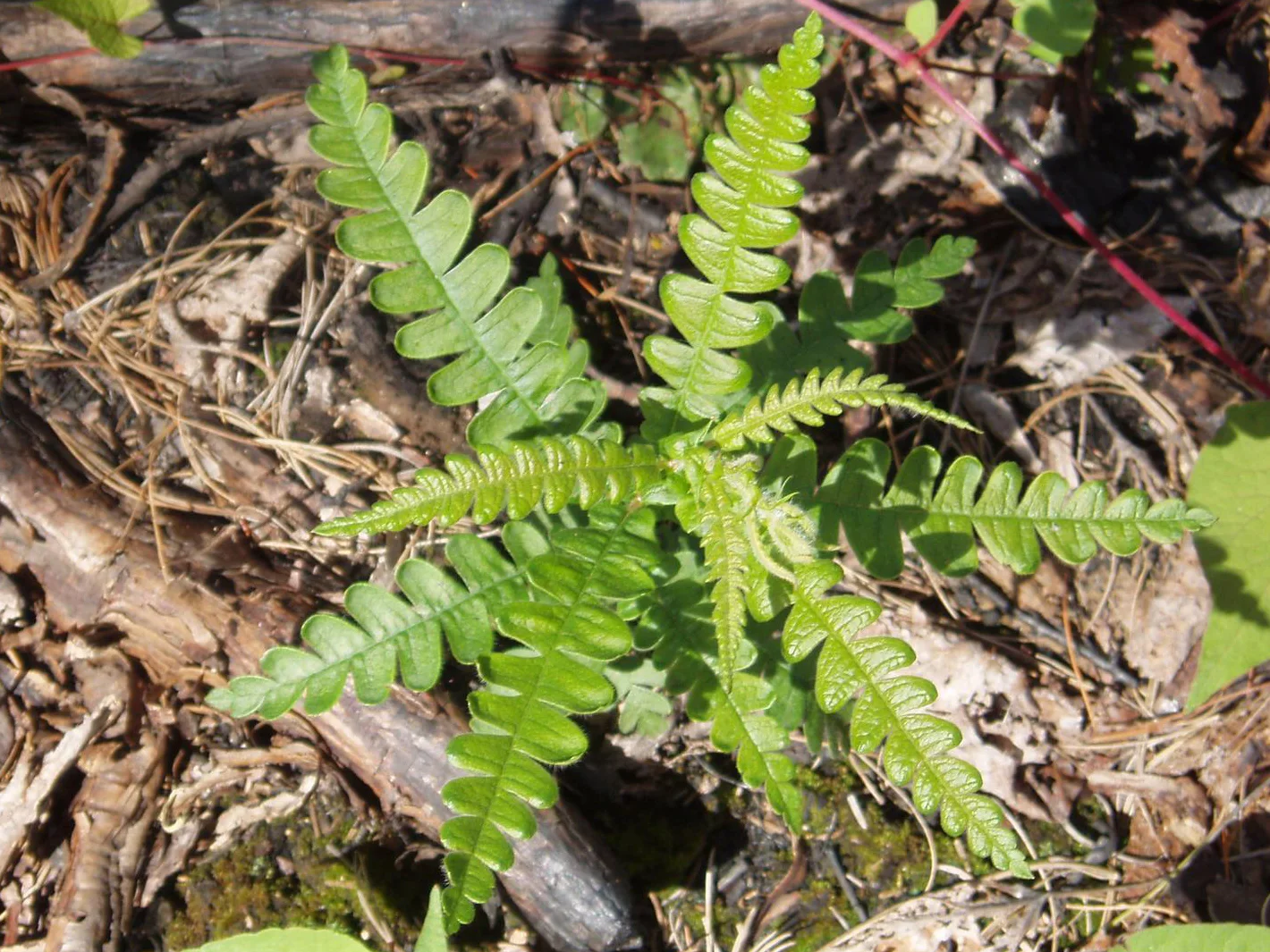
01Graves go an sd02Glow of sunset on the Waskesiu Lake in Prince Albert National Park Saskatchewan, Canada03Prince Albert National Park — view 304Greyowls cabin ajawaan lake05Forest ground cover06First Snow Waskesiu07Mushrooms (177865453)08First Snow Waskesiu 309First Snow Waskesiu 2
Origins and change
The landscape memory of Prince Albert National Park
Boreal forest, lakes and grassland meet around Waskesiu in central Saskatchewan. This account follows the forces, communities and decisions that made the present landscape.
4 min readCentral Saskatchewan, Canada
Prince Albert National Park is centred on Central Saskatchewan, where boreal forest, lakes and grassland meet around Waskesiu in central Saskatchewan. The strongest reason to make the journey is to paddle to the cabin associated with grey owl.
Many visits to Prince Albert National Park begin with the experience described as “Paddle to the cabin associated with Grey Owl”. The more revealing question is why it exists here, how people used the surrounding ground and what remains visible from earlier phases. The route combines quiet lake travel, forest portages and a small historic cabin, giving the park a clear multi-day objective rather than a collection of separate stops.
At Prince Albert National Park, the physical story begins with the structure of the ground. The wider landscape is best understood through a sequence of short routes rather than one viewpoint.
Forest history at Prince Albert National Park is often visible through openings, old routes and changes in species rather than monuments. “Kingsmere Lake” is one such point of evidence. A long lake is the gateway to backcountry paddling.
02
Human history
People, work and memory
The lakes and forests of central Saskatchewan lie within Cree, Dene and Metis cultural landscapes. Fur-trade routes, trapping and later timber activity connected the region with the North Saskatchewan corridor before national-park designation.
Prince Albert National Park was established in 1927, and Waskesiu developed as a resort town. Conservationist Archibald Belaney, known publicly as Grey Owl, lived at Beaver Lodge on Ajawaan Lake in the 1930s while promoting beaver protection, despite falsely presenting himself as Indigenous.
03
Reorganisation
The transition visible today
Grey Owl's cabin remains part of the park's history, but interpretation increasingly addresses both his conservation influence and his fabricated identity. The park also protects one of Canada's few free-ranging plains bison populations north of the main prairie range.
04
Visible evidence
Landmarks that carry the deeper story
At Prince Albert National Park, the significance of the feature “Kingsmere Lake” goes beyond its visual impact. A long lake is the gateway to backcountry paddling. Within Prince Albert National Park, the feature explains why this destination differs from nearby landscapes.
At Prince Albert National Park, the feature “Grey Owl cabin” is best understood as part of the surrounding system rather than an isolated stop. The remote cabin adds cultural history to the canoe route. At Prince Albert National Park, it gives a concrete reference point for reading change rather than merely collecting viewpoints.
Look closely at the feature “Boundary Bog” in Prince Albert National Park; it carries information that a panoramic view can miss. A boardwalk reveals the textures of boreal wetland. Within Prince Albert National Park, it is both an attraction and a record of the processes described above.
05
Present day
Why the landscape still feels dynamic
Prince Albert National Park changes through the year because weather and biological cycles rearrange what can be seen and used. For Prince Albert National Park, the most reliable visiting window is May-Sep.
For Prince Albert National Park, the stated visiting window is May-Sep, but its practical meaning depends on local weather, water and transport rather than the calendar alone.
Placed within its wider geography, Prince Albert National Park is not an isolated exception. Beyond the best-known image of Prince Albert National Park feature, Prince Albert National Park matters because grey owl cabin and boundary bog place the destination inside a broader regional story.
Chronology
Key dates
Lake and forest country
Cree, Dene and Metis communities travelled, hunted and trapped across the region.
National park created
Protection and road building established Waskesiu as a major Saskatchewan destination.
Grey Owl at Beaver Lodge
Belaney wrote and lectured about wildlife conservation from a cabin on Ajawaan Lake.
Travel notes
Plan your visit
Time needed
2-3 days
Getting around
Walking locally, with road or water links between stops
Effort
Easy to moderate
Plan first
Opening days, local access and accommodation
Time of day
Morning and late afternoon
Best window
May-Sep
Traveller stories
Stories from people who have been here.
First-hand moments, practical notes and overlooked details from Prince Albert National Park.