Fortress highlands

Simien Mountains

High escarpments, cultivated plateaus and deep valleys form a dramatic inhabited mountain landscape in northern Ethiopia.

Basalt cliffsGelada habitatHighland villages

Location
Amhara Highlands, Ethiopia
Best window
Oct-Mar
Suggested stay
3-5 days
Go for
Escarpment trekking
The reason to go

Escarpment viewpoints

Cliff edges reveal repeated volcanic layers and immense depth across northern highland valleys.

Start early and make this the first exposed stop of the day. Keep a lower route ready if cloud, heat, wind or trail conditions change during Oct-Mar.

Look a little closer

Worth discovering

The details that make Simien Mountains different.

Destination view
01

Escarpment viewpoints

Cliff edges reveal repeated volcanic layers and immense depth across northern highland valleys.

Photo journal
02

Gelada grasslands

High plateaus support large groups of endemic geladas within an open grazing landscape.

Photo journal
03

Ras Dashen region

The highest part of Ethiopia extends the mountain journey beyond the best-known northern escarpments.

Photo journal

A closer look at Simien Mountains

14 photographs
Beyond the surface

A deeper history of Simien Mountains

High escarpments, cultivated plateaus and deep valleys form a dramatic inhabited mountain landscape in northern Ethiopia. The deeper story links its visible features with the people and changes behind them.

The Simien Mountains rise as a deeply eroded volcanic massif above the Ethiopian highlands. Sheer escarpments, isolated pinnacles and broad plateaus create long views across valleys that drop thousands of meters. Roads and trails connect protected areas with working villages and farmland.

The strongest visual shorthand for Simien Mountains is the experience described as “Escarpment viewpoints”. Behind it lies a more complex relationship between physical processes, settlement and the modern idea of the place as a destination. Cliff edges reveal repeated volcanic layers and immense depth across northern highland valleys.

Continue to practical planning
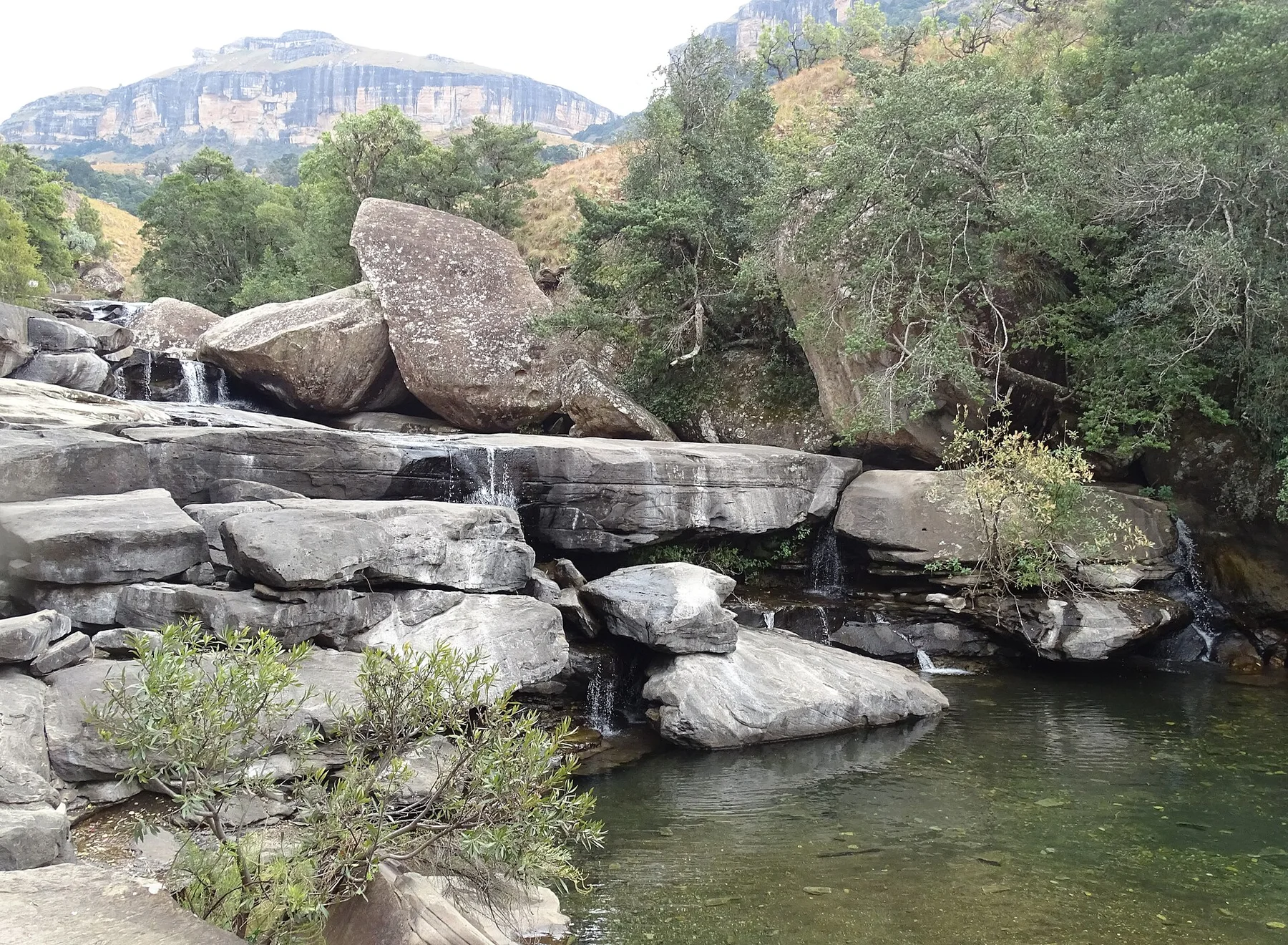
Simien Mountains — view 4See the complete photo journal
Origins

What the ground explains

At Simien Mountains, the physical story begins with the structure of the ground. Layered basalt flows have been cut by rivers into cliffs and amphitheaters. Grassland occupies flatter high ground, while forest and scrub survive on protected slopes. Elevation produces cool conditions close to the tropics and supports species adapted to the Afro-alpine environment.

Altitude turns distance into effort and creates abrupt ecological boundaries. At Simien Mountains, “Escarpment viewpoints” provides a useful reference point for understanding that vertical structure. Cliff edges reveal repeated volcanic layers and immense depth across northern highland valleys.

Cultural landscape

Routes, livelihoods and belonging

At Simien Mountains, human history is written into settlement and land use rather than separated from the scenery. People farm barley, keep livestock and live at high elevations around the mountain system. Conservation history has included difficult questions about land use, access and relocation. Local guides, cooks and mule handlers are central to trekking economies and to interpreting the cultural landscape.

A close look at “Gelada grasslands” makes the cultural layer of Simien Mountains more concrete. High plateaus support large groups of endemic geladas within an open grazing landscape. At Simien Mountains, the surviving form links present-day identity with earlier work and settlement.

Change

The modern turning point

Formal protection changed how Simien Mountains was described and managed. At Simien Mountains, new boundaries, visitor rules and conservation priorities created a public identity that still has to coexist with settlements, customary use and economic pressures. At Simien Mountains, the consequences are clearest where traditional use, protection and tourism occupy the same ground.

Details to read

Where the story becomes visible

Look closely at the feature “Escarpment viewpoints” in Simien Mountains; it carries information that a panoramic view can miss. Cliff edges reveal repeated volcanic layers and immense depth across northern highland valleys. Within Simien Mountains, the feature explains why this destination differs from nearby landscapes.

At Simien Mountains, the feature “Gelada grasslands” is best understood as part of the surrounding system rather than an isolated stop. High plateaus support large groups of endemic geladas within an open grazing landscape. At Simien Mountains, it gives a concrete reference point for reading change rather than merely collecting viewpoints.

Start with the feature “Ras Dashen region”, because it condenses a much larger part of the story of Simien Mountains. The highest part of Ethiopia extends the mountain journey beyond the best-known northern escarpments. For Simien Mountains, that relationship is more informative than treating the feature only as a photograph or checklist item.

Present day

The place within its wider region

Simien Mountains changes through the year because weather and biological cycles rearrange what can be seen and used. The dry season generally offers clearer views and more stable trails. Nights can be cold at altitude, while the rainy season brings cloud, green slopes and difficult road conditions. Altitude affects even moderate walks and should be treated seriously.

For Simien Mountains, the main seasonal constraint is: the strongest planning window is Oct-Mar. For Simien Mountains, outside it, check weather, daylight, road or ferry schedules and seasonal closures before committing to a fixed route.

For Simien Mountains, one practical detail matters: distances, fuel, food and mobile coverage can be less predictable than the map suggests. For Simien Mountains, carry offline maps and keep a margin in the schedule.

Placed within its wider geography, Simien Mountains is not an isolated exception. For Simien Mountains, the wider context shows that, the Simiens are often presented only through wildlife and cliffs, but their identity is also agricultural and historical. For Simien Mountains, effective protection requires balancing habitat needs with the rights and livelihoods of communities that have shaped the high plateau for generations.

Travel notes

Plan your visit

Time needed
3-5 days
Getting around
Car to access points, then walking or hiking
Effort
Moderate to demanding
Plan first
Main transport and accommodation
Time of day
Start early for clearer conditions and more time
Best window
Oct-Mar
Traveller stories

Stories from people who have been here.

First-hand moments, practical notes and overlooked details from Simien Mountains.

Loading traveller stories…

Browse all traveller stories ↗

Keep exploring

Where next?

All place stories