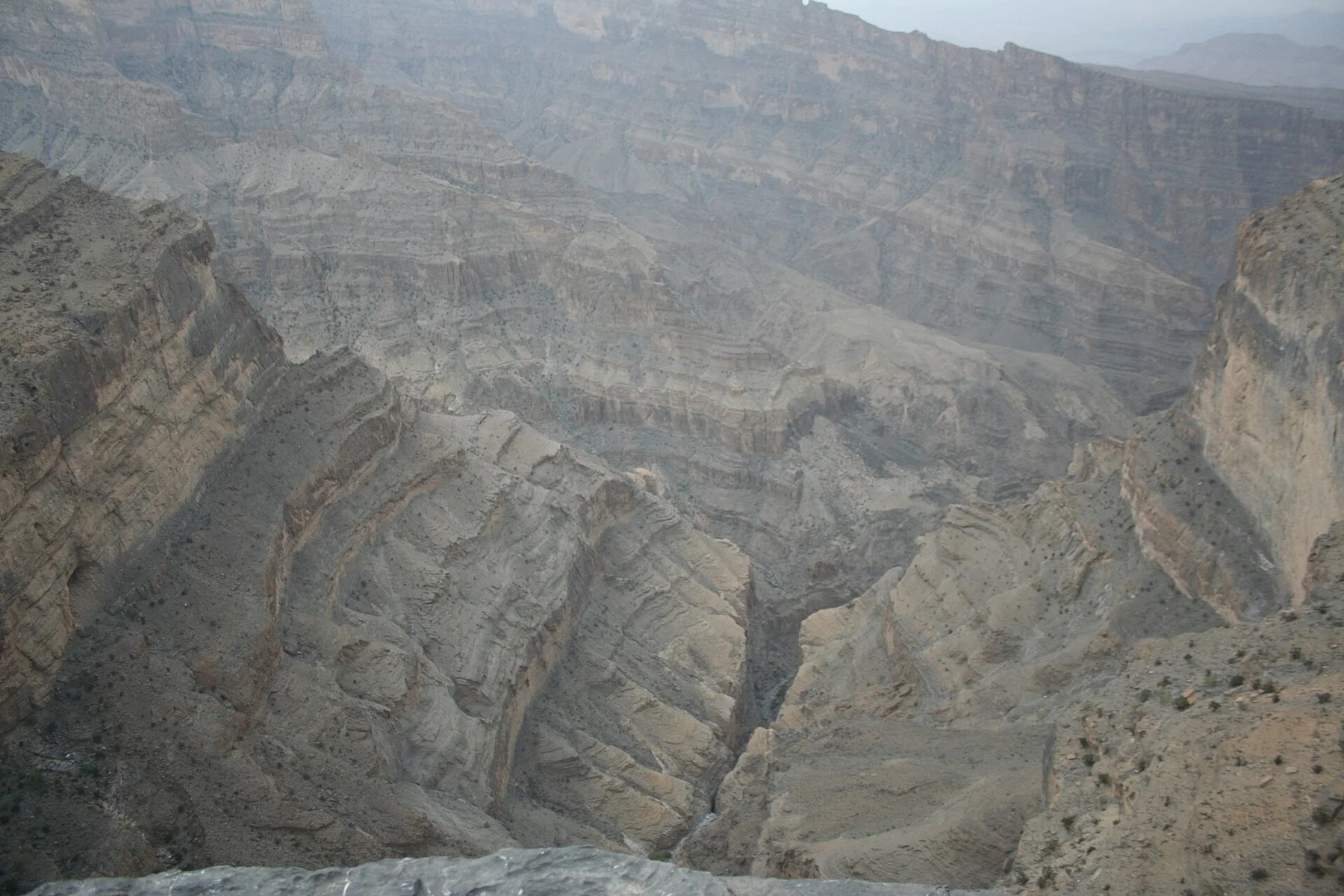
Desert rock arch climb

Wadi Rum Burdah Bridge

A guided scramble climbs Jebel Burdah to one of Wadi Rum’s highest natural rock bridges.

Desert rock arch climbDramatic routeViewpointsBurdah archScramble gullies

Location
Wadi Rum, Jordan
Best window
Oct-Apr
Suggested stay
Full day
Go for
Desert scramble to rock bridge
The reason to go

Climb to Burdah Rock Bridge

The ascent combines desert driving, route-finding and hands-on sandstone scrambling before the narrow natural bridge appears high above the surrounding valleys.

Use an experienced local guide and make the climb the first activity of the day before heat builds.

Look a little closer

Worth discovering

The details that make Wadi Rum Burdah Bridge different.

Destination view
01

Burdah arch

A slender sandstone bridge crowns the mountain ridge.

Destination view
02

Scramble gullies

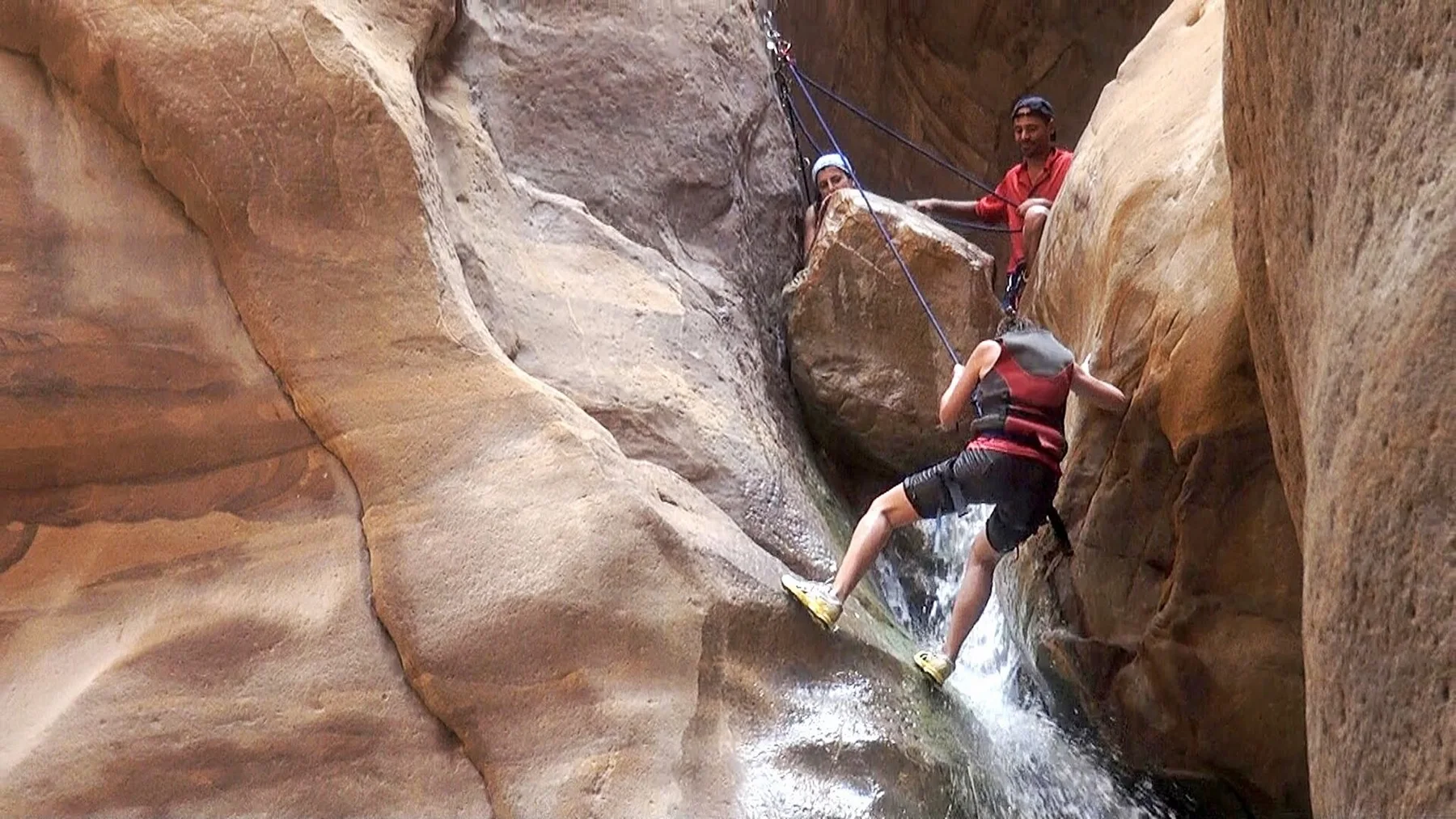
The approach uses ledges, grooves and short exposed rock steps.

Destination view
03

Wadi Rum panorama

The summit area opens over red valleys, domes and distant desert massifs.

Photo journal

A closer look at Wadi Rum Burdah Bridge

10 photographs
Deep background

A deeper history of Wadi Rum Burdah Bridge

A guided scramble climbs Jebel Burdah to one of Wadi Rum’s highest natural rock bridges. The deeper story links its visible features with the people and changes behind them.

Wadi Rum Burdah Bridge is centred on Wadi Rum, where a guided scramble climbs Jebel Burdah to one of Wadi Rum’s highest natural rock bridges. The strongest reason to make the journey is to climb to Burdah Rock Bridge.

The strongest visual shorthand for Wadi Rum Burdah Bridge is the experience described as “Climb to Burdah Rock Bridge”. Behind it lies a more complex relationship between physical processes, settlement and the modern idea of the place as a destination. The ascent combines desert driving, route-finding and hands-on sandstone scrambling before the narrow natural bridge appears high above the surrounding valleys.

Continue to practical planning
Wadi Rum 02See the complete photo journal
Landform

The landform before the landmark

Understanding Wadi Rum Burdah Bridge starts below the visible surface. Changes in height, rock, water and exposure make the sequence important: the approach, the most engineered or natural passage and the final overlook each reveal a different part of Wadi Rum.

Movement is the organising idea at Wadi Rum Burdah Bridge. “Burdah arch” explains how the route negotiates an obstacle that would otherwise divide the landscape. A slender sandstone bridge crowns the mountain ridge.

Human history

The cultural layer of the place

Jebel Burdah's rock bridge is a natural sandstone arch within a landscape crossed for generations by Bedouin pastoral and trade routes. Water sources, shade and knowledge of passages mattered far more than the arch's value as a summit photograph.

Wadi Rum later became associated internationally with the Arab Revolt and with film production, while local Bedouin families developed guiding and camp businesses. The Burdah ascent now depends on that route knowledge.

Modern history

The transition visible today

Tourism shifted the bridge from a local landmark within a working desert to a technical day objective. Guided access is not an optional extra but a continuation of the practical knowledge through which the massif has always been navigated.

Details to read

The small features that reveal the larger pattern

At Wadi Rum Burdah Bridge, the feature “Burdah arch” is best understood as part of the surrounding system rather than an isolated stop. A slender sandstone bridge crowns the mountain ridge. At Wadi Rum Burdah Bridge, it gives a concrete reference point for reading change rather than merely collecting viewpoints.

At Wadi Rum Burdah Bridge, the significance of the feature “Scramble gullies” goes beyond its visual impact. The approach uses ledges, grooves and short exposed rock steps. At Wadi Rum Burdah Bridge, the detail links local scale with the wider regional pattern.

At Wadi Rum Burdah Bridge, the significance of the feature “Wadi Rum panorama” goes beyond its visual impact. The summit area opens over red valleys, domes and distant desert massifs. At Wadi Rum Burdah Bridge, the detail links local scale with the wider regional pattern.
Present day

What continues to change

A single visit to Wadi Rum Burdah Bridge captures only one phase of its annual cycle. For Wadi Rum Burdah Bridge, the most reliable visiting window is Oct-Apr.

For Wadi Rum Burdah Bridge, one practical detail matters: this is not a marked hiking path. For Wadi Rum Burdah Bridge, a competent local guide, sufficient water and stable weather are essential.

For Wadi Rum Burdah Bridge, the most useful visiting period is: sunrise departure.

Placed within its wider geography, Wadi Rum Burdah Bridge is not an isolated exception. Beyond the best-known image of Wadi Rum Burdah Bridge crossing, Wadi Rum Burdah Bridge is useful because scramble gullies and wadi rum panorama place the route inside a broader landscape story.

Chronology

Key dates

  1. Bedouin routes through the sandstone

    Pastoral movement and caravan knowledge organised access to water, camps and passes.

  2. Arab Revolt associations

    The wider Wadi Rum landscape entered international military and literary history.

  3. Guided desert tourism

    Local camps and climbing routes made features such as Burdah accessible to visitors.

Travel notes

Plan your visit

Time needed
Full day
Getting around
4x4 transfer and local guide
Effort
Demanding; scrambling and exposure
Plan first
Guide, water and cool-weather start
Time of day
Sunrise departure
Best window
Oct-Apr
Traveller stories

Stories from people who have been here.

First-hand moments, practical notes and overlooked details from Wadi Rum Burdah Bridge.

Loading traveller stories…

Browse all traveller stories ↗

Keep exploring

Where next?

All place stories