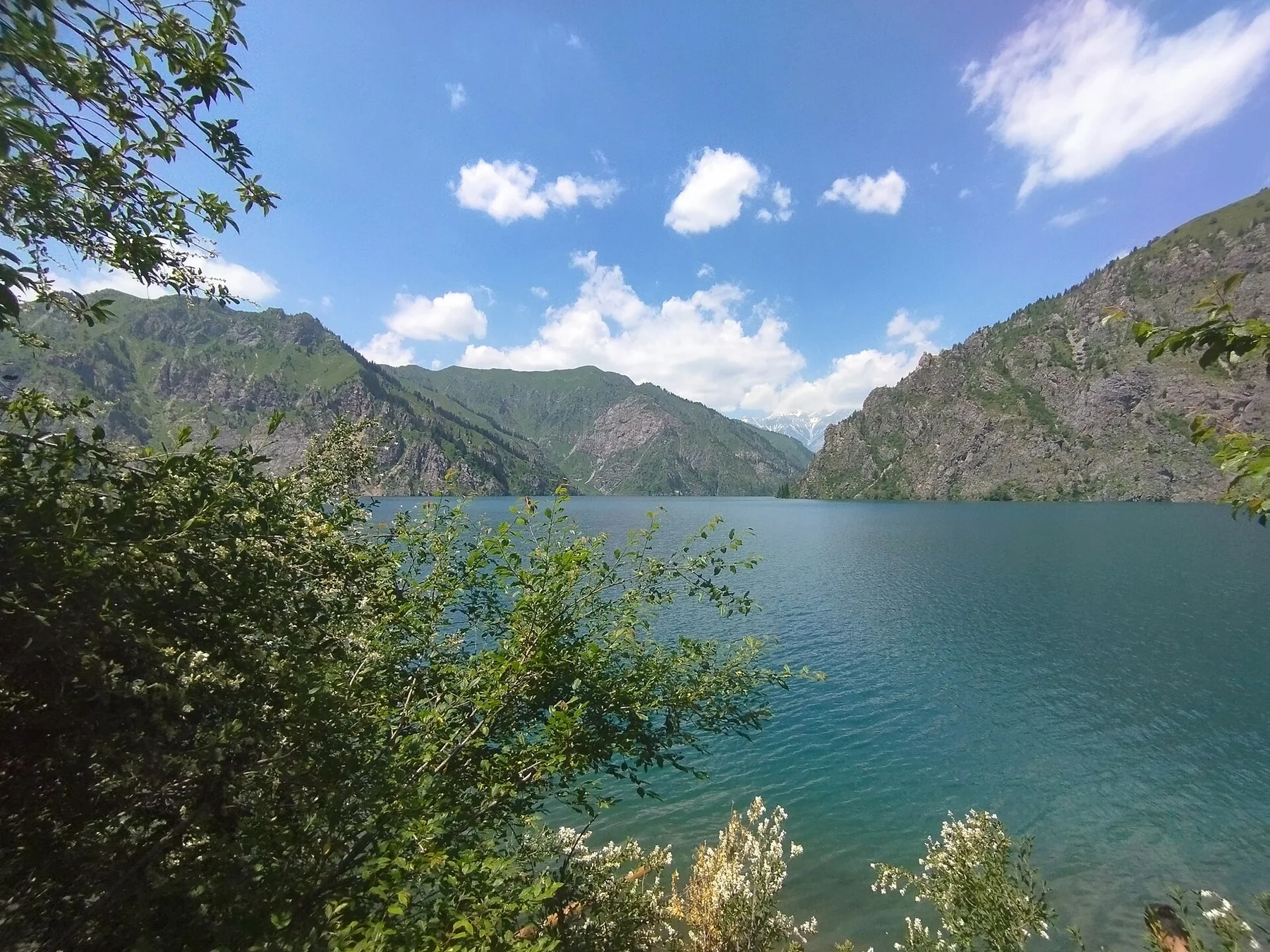
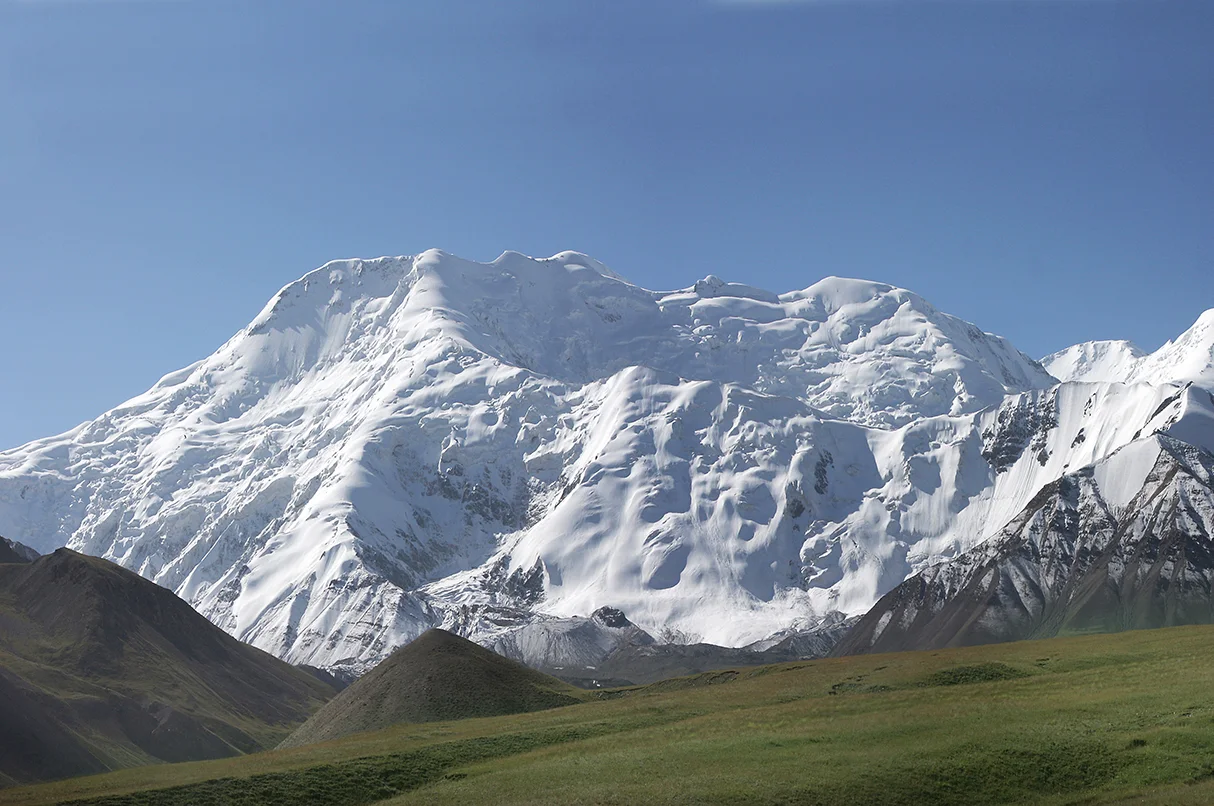
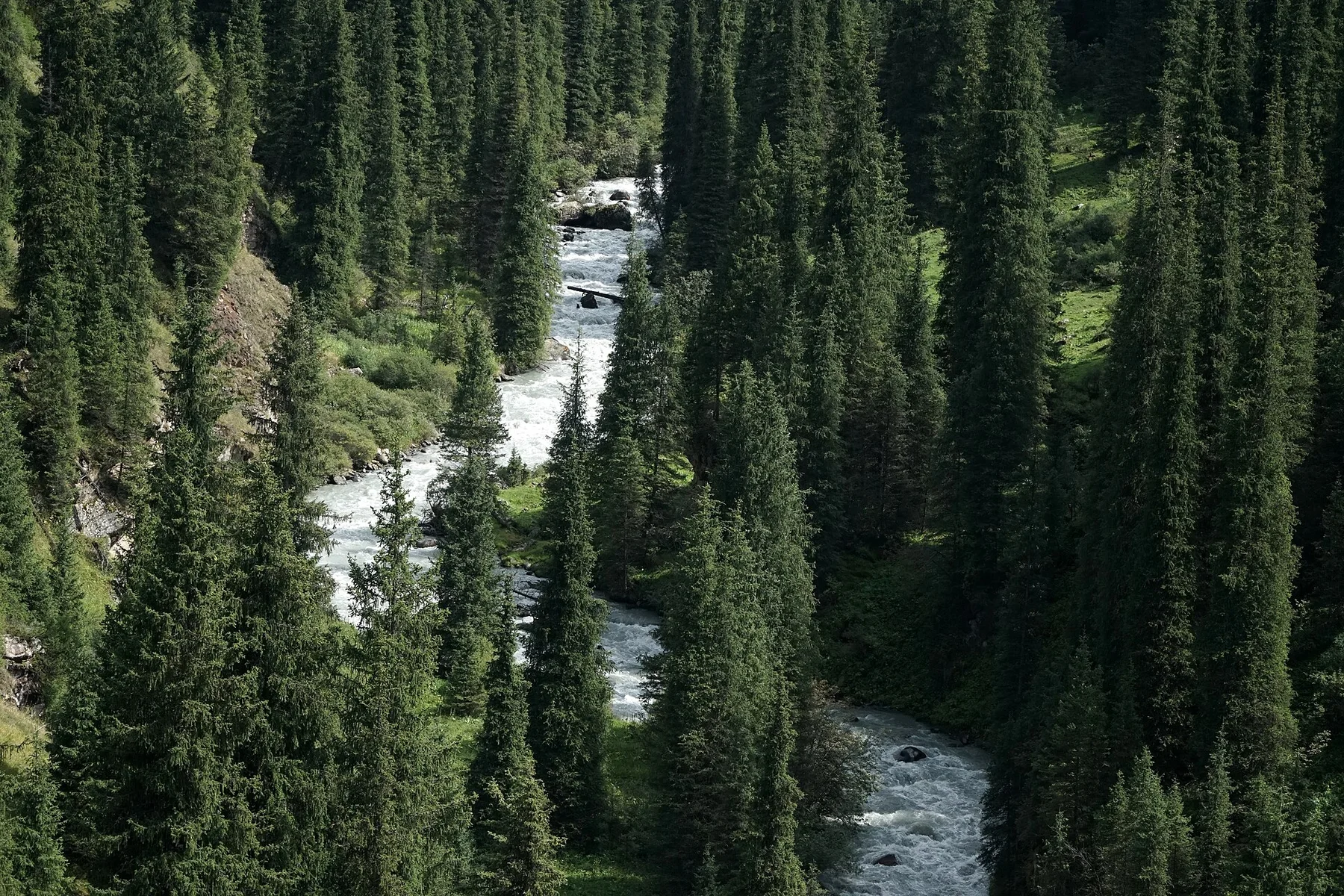
At Arslanbob, light, water and temperature reveal different structures at different times of year. Spring is lush, summer supports longer walks, and autumn brings the walnut harvest; mountain weather remains variable.
For Arslanbob, the main seasonal constraint is: the strongest planning window is May-Oct. For Arslanbob, outside it, check weather, daylight, road or ferry schedules and seasonal closures before committing to a fixed route.
For Arslanbob, one practical detail matters: opening days can be more limiting than travel time. For Arslanbob, check the principal site first, then organise the wider route around it.
Placed within its wider geography, Arslanbob is not an isolated exception. Arslanbob provides a different perspective on Kyrgyzstan beyond open steppe, linking forest ecology with the densely settled Fergana region.
At Arslanbob, “Walnut forest, Village lanes and Waterfall routes” forms a practical cross-section when connected with surrounding routes and settlements, rather than treated as a set of unrelated attractions. At Arslanbob, movement organised by walking locally, with a car or regional transport between stops reveals which parts of the landscape have remained difficult to reach or costly to maintain. At Arslanbob, the usual effort level, moderate, is not just a visitor rating; it reflects gradients, exposure or transport gaps that shaped local use before leisure travel. Within Jalal-Abad Region, these relationships distinguish Arslanbob from superficially similar destinations and explain why a slower, connected reading produces more understanding than a rapid series of stops.