Cliff and plain culture

Bandiagara Escarpment

A long sandstone escarpment, cliff villages and cultivated plains form one of West Africa’s most significant cultural landscapes.

Cliff villagesDogon cultureSandstone escarpment

Location
Dogon Country, Mali
Best window
Nov-Feb
Suggested stay
2-4 days
Go for
Cultural landscape study
The reason to go

Cliff settlements

Architecture uses ledges and rock walls as part of the built environment.

Check opening days or local access first, then connect the main site to the surrounding streets, paths or landscape instead of treating it as an isolated stop.

Look a little closer

Worth discovering

The details that make Bandiagara Escarpment different.

Destination view
01

Cliff settlements

Architecture uses ledges and rock walls as part of the built environment.

Destination view
02

Seno plain

Cultivated land below the escarpment creates a strong contrast in scale and use.

Destination view
03

Granaries and compounds

Distinct building forms reveal social and agricultural organisation.

Photo journal

A closer look at Bandiagara Escarpment

12 photographs
Deep background

Reading the layers of Bandiagara Escarpment

A long sandstone escarpment, cliff villages and cultivated plains form one of West Africa’s most significant cultural landscapes. This account follows the forces, communities and decisions that made the present landscape.

Bandiagara Escarpment occupies a sandstone fault line east of Mopti. A long sandstone escarpment, cliff villages and cultivated plains form one of West Africa’s most significant cultural landscapes. Bandiagara connects the Inland Niger Delta, Sahel and plateau landscapes, placing local culture within a wider network of trade and migration.
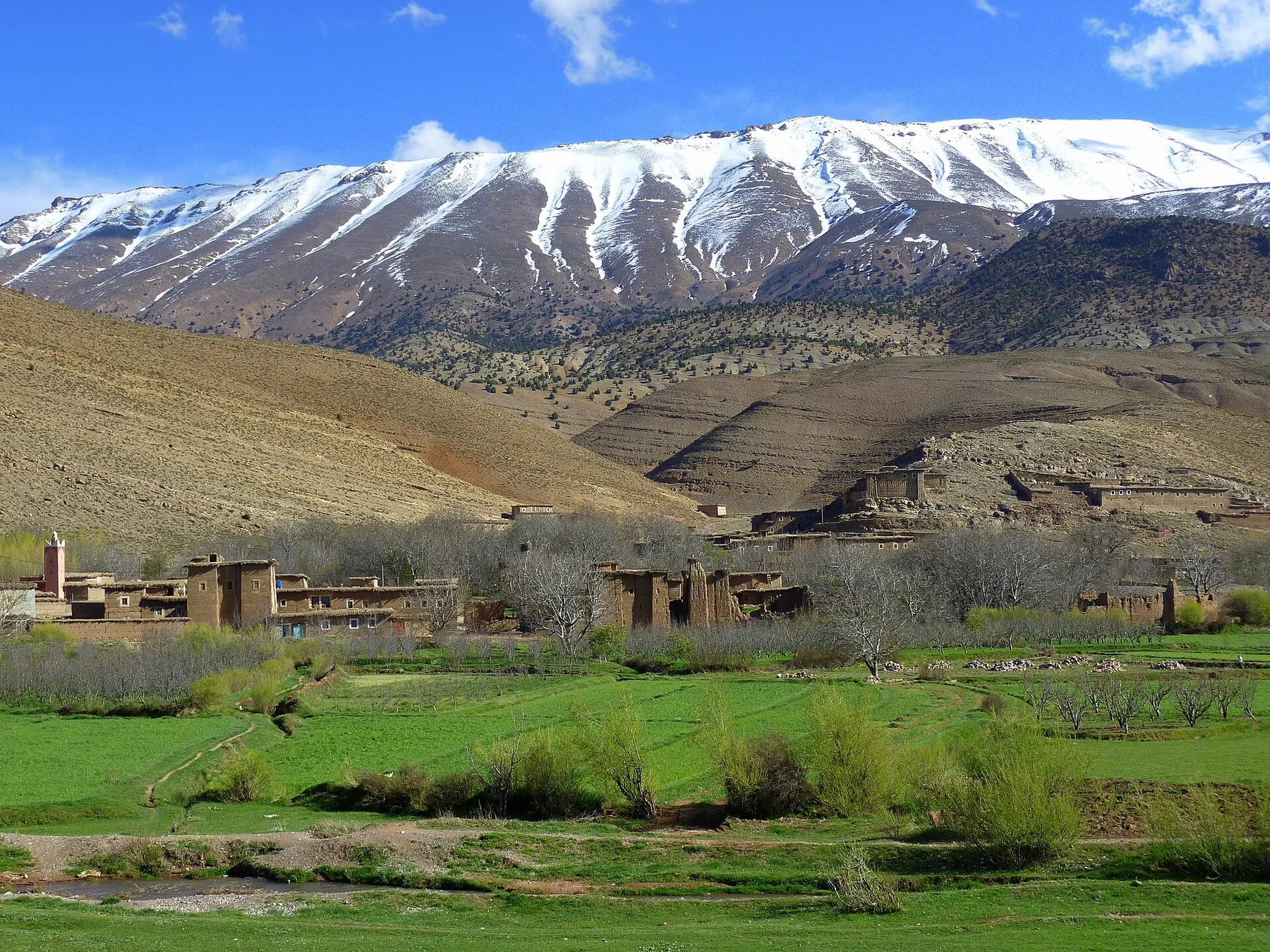
Visitors often encounter Bandiagara Escarpment through the idea of “Cliff settlements”, but the destination is more than that single scene. Its landscape carries evidence of work, movement, adaptation and environmental change. Architecture uses ledges and rock walls as part of the built environment.

Continue to practical planning
Bandiagara Escarpment — view 4See the complete photo journal
Landform

What the ground explains

At Bandiagara Escarpment, the physical story begins with the structure of the ground. The escarpment rises abruptly above the Seno plain, creating cliffs, ravines, plateaus and protected ledges.

Built remains and terrain should be at Bandiagara Escarpment, considered together. At Bandiagara Escarpment, “Cliff settlements” shows how the setting influenced location, materials and later survival. Architecture uses ledges and rock walls as part of the built environment.

Settlement and memory

How people learned to live here

The cultural layer of Bandiagara Escarpment is easiest to read in homes, fields, paths and local institutions. Dogon settlements, granaries, fields and sacred places express a complex relationship between architecture, belief and land.

At Bandiagara Escarpment, “Seno plain” should not be treated as a decorative detail. Cultivated land below the escarpment creates a strong contrast in scale and use. The feature records how construction, movement or livelihood adapted to local conditions at Bandiagara Escarpment.

Change

A landscape reorganised

The modern identity of Bandiagara Escarpment emerged as livelihoods, transport and outside attention changed their balance. At Bandiagara Escarpment, the present destination was assembled from places that previously served practical, seasonal or community purposes. At Bandiagara Escarpment, the current visitor experience is the newest layer rather than the whole history.

Field notes

Three details that explain the whole place

Start with the feature “Cliff settlements”, because it condenses a much larger part of the story of Bandiagara Escarpment. Architecture uses ledges and rock walls as part of the built environment. For Bandiagara Escarpment, that relationship is more informative than treating the feature only as a photograph or checklist item.

At Bandiagara Escarpment, the feature “Seno plain” is best understood as part of the surrounding system rather than an isolated stop. Cultivated land below the escarpment creates a strong contrast in scale and use. For Bandiagara Escarpment, that relationship is more informative than treating the feature only as a photograph or checklist item.

At Bandiagara Escarpment, the feature “Granaries and compounds” provides a precise clue to how the landscape works. Distinct building forms reveal social and agricultural organisation. Its position and condition at Bandiagara Escarpment connect physical history with the way people use the place now.

Season and scale

The place within its wider region

At Bandiagara Escarpment, light, water and temperature reveal different structures at different times of year. The dry-season months are climatically easier, but current security conditions and official travel advice are decisive for any visit.

For Bandiagara Escarpment, the main seasonal constraint is: the strongest planning window is Nov-Feb. For Bandiagara Escarpment, outside it, check weather, daylight, road or ferry schedules and seasonal closures before committing to a fixed route.

For Bandiagara Escarpment, one practical detail matters: wind, sea state and tide can matter as much as distance. For Bandiagara Escarpment, check conditions before boat trips, exposed cliffs or tidal sections.

Placed within its wider geography, Bandiagara Escarpment is not an isolated exception. For Bandiagara Escarpment, the wider context shows that, bandiagara connects the Inland Niger Delta, Sahel and plateau landscapes, placing local culture within a wider network of trade and migration.

Travel notes

Plan your visit

Time needed
2-4 days
Getting around
Car or local transport, plus coastal walks and occasional boat links
Effort
Moderate
Plan first
Opening days and any limited-entry sites
Time of day
Early morning and late afternoon
Best window
Nov-Feb
Traveller stories

Stories from people who have been here.

First-hand moments, practical notes and overlooked details from Bandiagara Escarpment.

Loading traveller stories…

Browse all traveller stories ↗

Keep exploring

Where next?

All place stories