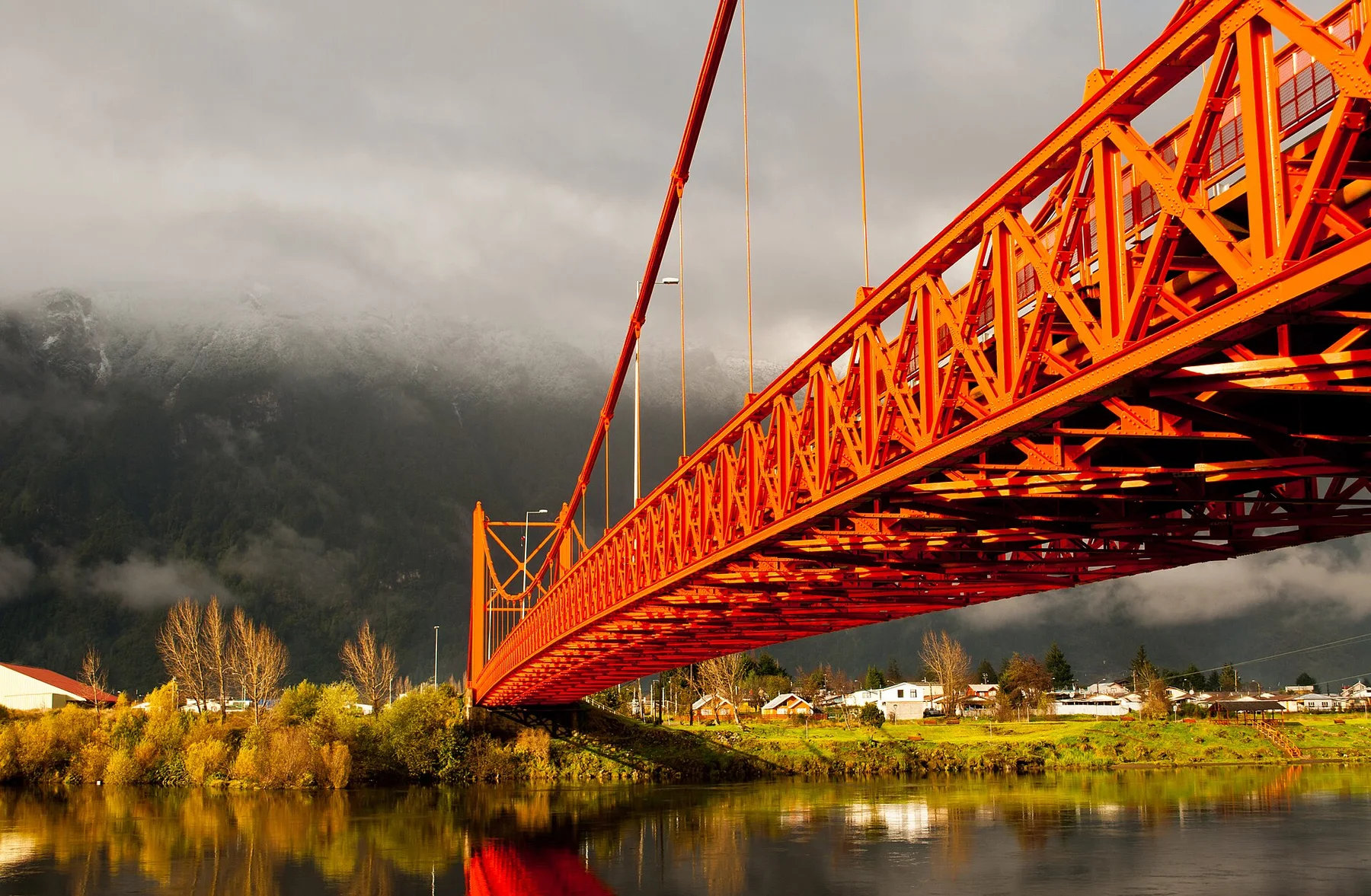
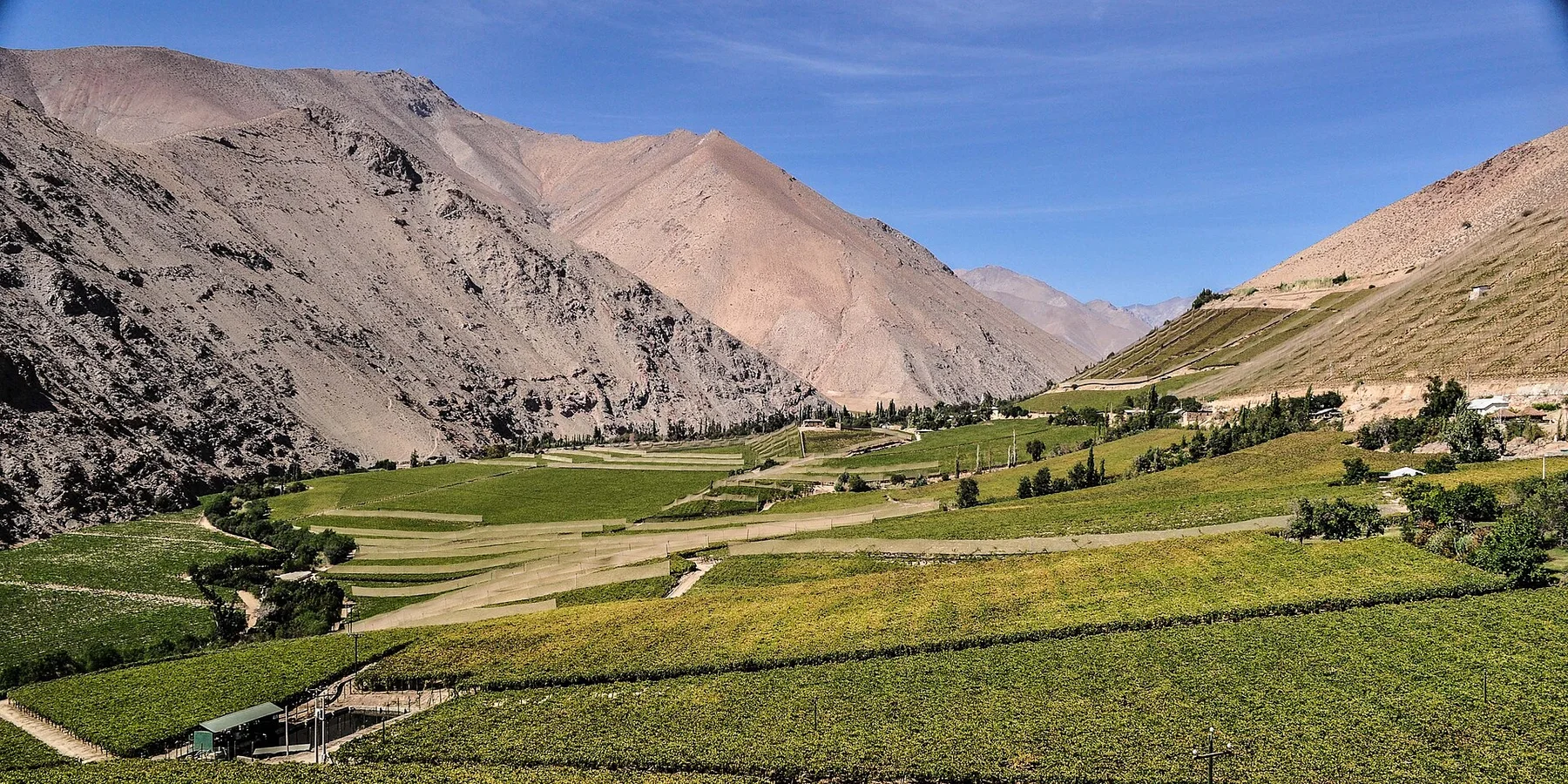
At Chiloe, light, water and temperature reveal different structures at different times of year. Summer generally offers longer daylight and more stable travel, though rain remains normal. Autumn deepens colour and quiet, while winter brings powerful storms and a more inward island rhythm. The humid climate is not seasonal decoration; it determines building materials, vegetation and daily life.
For Chiloe, the main seasonal constraint is: the strongest planning window is Nov-Mar. For Chiloe, outside it, check weather, daylight, road or ferry schedules and seasonal closures before committing to a fixed route.
For Chiloe, one practical detail matters: ferries, tunnels and weather can change the order of the day. For Chiloe, build the route around the least frequent connection, not the closest viewpoint.
Placed within its wider geography, Chiloe is not an isolated exception. Chiloe opens toward the Chonos archipelago and northern Patagonia, while the mainland volcanoes remain visible from parts of the eastern shore. For Chiloe, the island sits at a transition between agricultural Chile and the fragmented fjord landscapes farther south.