Cocos (Keeling) Islands: the story behind the landscape
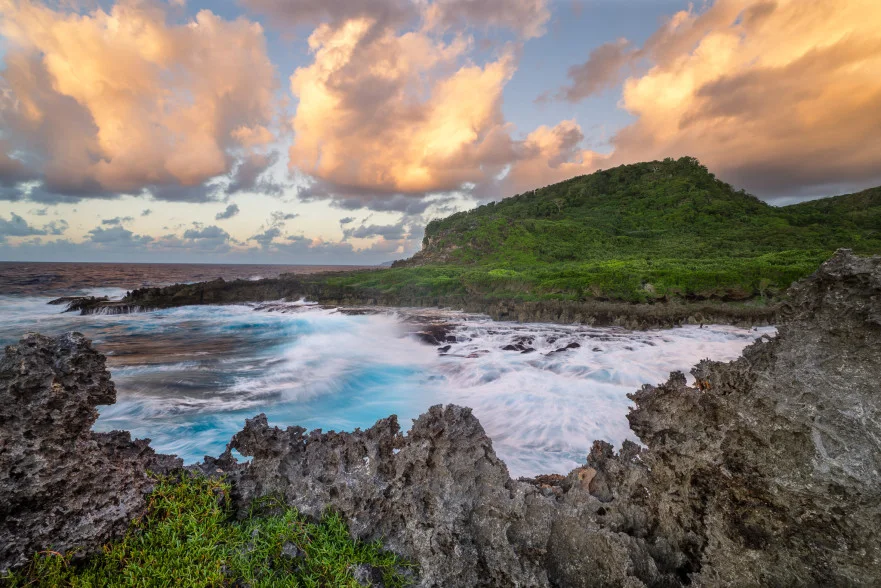
A low coral atoll combines a turquoise lagoon, Cocos Malay culture and almost empty outer beaches. The deeper story links its visible features with the people and changes behind them.
4 min readIndian Ocean, Australia
Cocos (Keeling) Islands is centred on Indian Ocean, where a low coral atoll combines a turquoise lagoon, Cocos Malay culture and almost empty outer beaches. The strongest reason to make the journey is to cycle home island, then cross the lagoon by boat.
The familiar invitation at Cocos (Keeling) Islands is “Cycle Home Island, then cross the lagoon by boat”, yet that image makes more sense when it is connected to the landform, the local economy and the changes that determined access. Moving between village streets, coconut groves and open lagoon gives a fuller sense of the atoll than staying on one resort beach.
On an island, coast, altitude and exposure work together. At Cocos (Keeling) Islands, the feature described as “Home Island” shows how a short distance can separate sheltered ground from a very different ocean-facing environment. Cocos Malay culture is centred in Bantam village.
Cocos (Keeling) Islands is not a uniform area. Changes in elevation, exposure, water and substrate produce distinct environments over short distances, which is why a route through the place often reveals more than a fixed viewpoint.
02
Settlement and memory
Settlement, movement and local knowledge
The atolls were uninhabited when European ships recorded them in the seventeenth century. Permanent settlement began in the 1820s, when Alexander Hare and then John Clunies-Ross established coconut plantations. Malay workers and their families created the community now centred on Home Island, while the Clunies-Ross family controlled land and trade for generations.
Britain annexed the islands in the nineteenth century, and the cable station on Direction Island made Cocos strategically important. A naval battle was fought offshore in 1914 when the Australian cruiser Sydney disabled the German raider Emden. Administration passed to Australia in 1955, and the Australian government later acquired most Clunies-Ross land.
03
Reorganisation
The modern turning point
The islands' present character reflects the move from private plantation rule to an Australian territory with a Cocos Malay majority on Home Island and a smaller population on West Island. The lagoon, old plantation grid, mosque, cable history and wartime sites reveal that this apparently empty atoll was also a labour settlement and communications node.
04
Details to read
The small features that reveal the larger pattern
At Cocos (Keeling) Islands, the feature “Home Island” is one of the most useful pieces of visible evidence. Cocos Malay culture is centred in Bantam village. Within Cocos (Keeling) Islands, it is both an attraction and a record of the processes described above.
At Cocos (Keeling) Islands, the feature “Direction Island” is best understood as part of the surrounding system rather than an isolated stop. A bright beach and current-rich channel favour snorkelling. Within Cocos (Keeling) Islands, the feature explains why this destination differs from nearby landscapes.
At Cocos (Keeling) Islands, the significance of the feature “Lagoon crossings” goes beyond its visual impact. Boat travel reveals the geometry of the atoll. Within Cocos (Keeling) Islands, the feature explains why this destination differs from nearby landscapes.
05
Present day
The current chapter
At Cocos (Keeling) Islands, season is part of the landscape history, not merely a planning detail. For Cocos (Keeling) Islands, the most reliable visiting window is Apr-Oct.
For Cocos (Keeling) Islands, the stated visiting window is Apr-Oct, but its practical meaning depends on local weather, water and transport rather than the calendar alone.
Placed within its wider geography, Cocos (Keeling) Islands is not an isolated exception. Beyond the best-known image of Cocos (Keeling) Islands feature, Cocos (Keeling) Islands matters because direction island and lagoon crossings place the destination inside a broader regional story.
Chronology
Key dates
Coconut settlement established
Plantation owners brought Malay workers and created the social geography that still distinguishes Home and West islands.
Battle of Cocos
HMAS Sydney defeated the German cruiser Emden near the cable station on Direction Island.
Transfer to Australia
The islands became an Australian territory, ending their previous administrative link with Singapore.
Travel notes
Plan your visit
Time needed
3-5 days
Getting around
Local transport, walking and boat or ferry connections
Effort
Easy to moderate
Plan first
Main flight or ferry, accommodation and weather backup
Time of day
Morning movement; late light for coast
Best window
Apr-Oct
Traveller stories
Stories from people who have been here.
First-hand moments, practical notes and overlooked details from Cocos (Keeling) Islands.