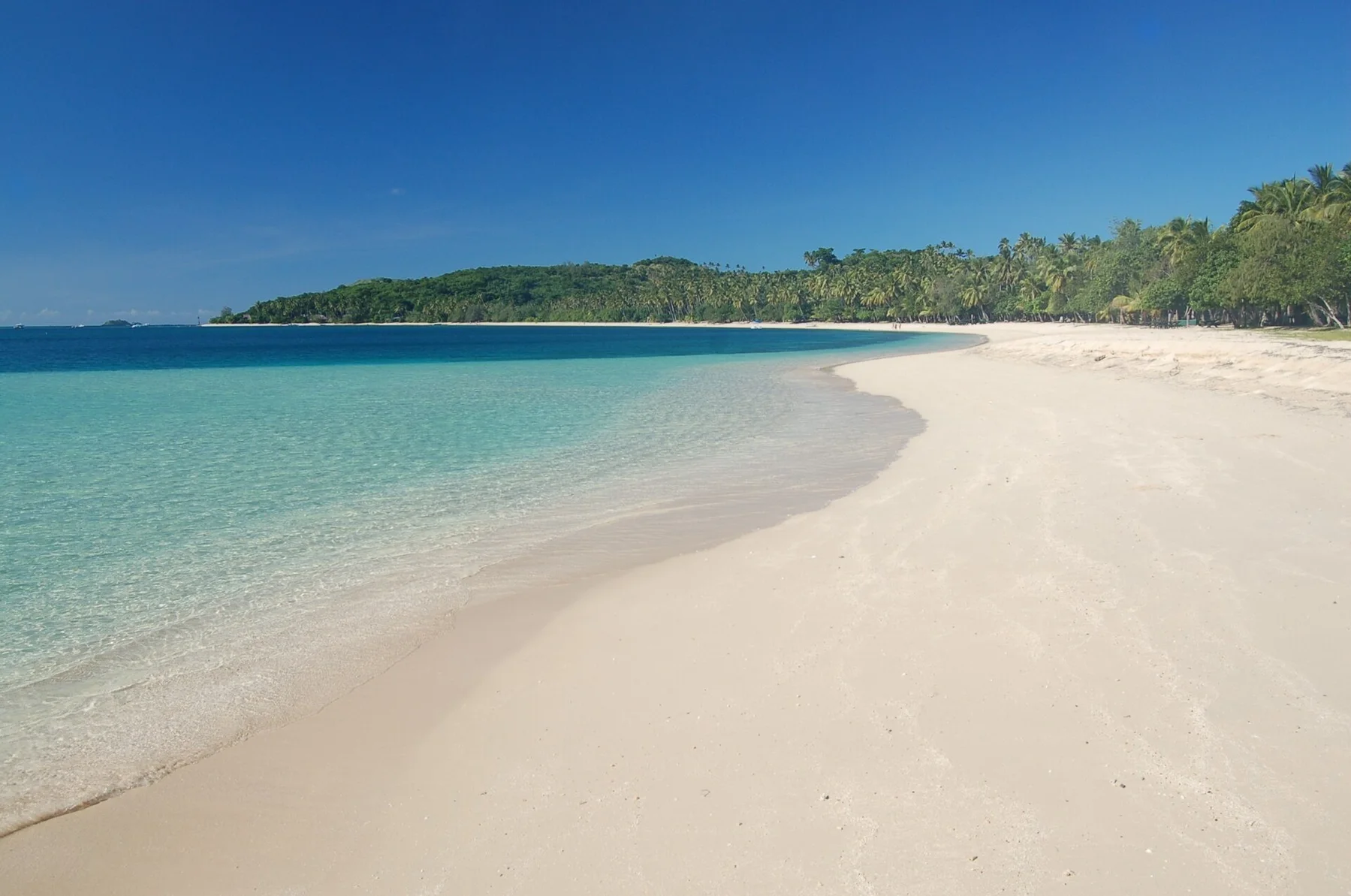
Southern Fiji reef

Kadavu

A mountainous Fijian island of rainforest, village bays and extensive reef, with limited roads and much movement still organised by boat.

Great Astrolabe ReefBoat-linked villagesRainforest island

Location
Southern Fiji, Fiji
Best window
May-Oct
Suggested stay
2-4 days
Go for
Reef and village coast
The reason to go

Great Astrolabe Reef

A vast barrier reef system supports channels, coral walls and marine life along the island's southern side.

Plan the least frequent boat, ferry or exposed coastal section first. Use early or late light and keep a weather alternative during May-Oct.

Look a little closer

Worth discovering

The details that make Kadavu different.

Photo journal
01

Great Astrolabe Reef

A vast barrier reef system supports channels, coral walls and marine life along the island's southern side.

Destination view
02

Boat-linked villages

Coastal communities remain connected through water routes that reflect the island's steep interior terrain.

Destination view
03

Rainforest ridges

Forested high ground rises immediately behind bays and protects much of Kadavu's terrestrial biodiversity.

Photo journal

A closer look at Kadavu

14 photographs
Landscape and history

The landscape memory of Kadavu

A mountainous Fijian island of rainforest, village bays and extensive reef, with limited roads and much movement still organised by boat. Its character becomes clearer when geology, settlement and modern protection are considered together.

Kadavu lies south of Fiji's main island and remains less road-connected than many better-known parts of the country. A long mountainous spine creates steep bays and separates villages, while the Great Astrolabe Reef extends along the southern side. Boat travel is essential to the island's geography and not merely an excursion.

The familiar invitation at Kadavu is “Great Astrolabe Reef”, yet that image makes more sense when it is connected to the landform, the local economy and the changes that determined access. A vast barrier reef system supports channels, coral walls and marine life along the island's southern side.

Continue to practical planning
Kadavu — view 4See the complete photo journal
Physical setting

The physical foundations of the place

At Kadavu, the physical story begins with the structure of the ground. Rainforest covers much of the interior, with ridges descending toward mangroves, beaches and reef-protected water. The coast is deeply indented, making nearby villages distant by land. Coral channels and outer reef edges add an extensive underwater landscape beyond the visible shore.

The visible shoreline or channel at Kadavu is only one stage in a larger cycle. “Great Astrolabe Reef” demonstrates how flow, season and terrain interact. A vast barrier reef system supports channels, coral walls and marine life along the island's southern side.

Cultural landscape

How people learned to live here

At Kadavu, people learned to work with the landscape limits rather than arriving after its story was complete. Village life, customary land and sea tenure and local transport determine how visitors move through Kadavu. Small resorts and homestays often operate in close relationship with neighbouring communities. Ceremonial protocol and permission are important parts of entering village spaces and using local marine areas.

A close look at “Boat-linked villages” makes the cultural layer of Kadavu more concrete. Coastal communities remain connected through water routes that reflect the island's steep interior terrain. At Kadavu, the surviving form links present-day identity with earlier work and settlement.

Reorganisation

From local landscape to protected destination

The decisive modern change at Kadavu was access. At Kadavu, transport and visitor infrastructure made the landscape easier to reach while concentrating pressure at the few points where roads, boats or trails enter it. At Kadavu, that transition remains visible in the contrast between older working features and visitor infrastructure.

Visible evidence

Landmarks that carry the deeper story

At Kadavu, the significance of the feature “Great Astrolabe Reef” goes beyond its visual impact. A vast barrier reef system supports channels, coral walls and marine life along the island's southern side. At Kadavu, it gives a concrete reference point for reading change rather than merely collecting viewpoints.

At Kadavu, the feature “Boat-linked villages” is best understood as part of the surrounding system rather than an isolated stop. Coastal communities remain connected through water routes that reflect the island's steep interior terrain. Its position and condition at Kadavu connect physical history with the way people use the place now.

At Kadavu, the significance of the feature “Rainforest ridges” goes beyond its visual impact. Forested high ground rises immediately behind bays and protects much of Kadavu's terrestrial biodiversity. Within Kadavu, it is both an attraction and a record of the processes described above.

Present day

Season, scale and the present day

A single visit to Kadavu captures only one phase of its annual cycle. The cooler dry season generally brings more stable conditions for diving, walking and boat transfers. Rain remains possible on the forested island, and wind can affect reef passages. The wet season is warmer and greener but carries higher cyclone risk and more variable transport.

For Kadavu, the main seasonal constraint is: the strongest planning window is May-Oct. For Kadavu, outside it, check weather, daylight, road or ferry schedules and seasonal closures before committing to a fixed route.

For Kadavu, one practical detail matters: cloud, wind and trail conditions can change quickly. For Kadavu, put the highest or most exposed stop first and keep a lower-level alternative.

Placed within its wider geography, Kadavu is not an isolated exception. Kadavu offers a different Fiji experience from large resort corridors because villages, reef and transport remain directly connected. For Kadavu, spending time in one bay before moving to another provides more depth than attempting to cover the island quickly.

Travel notes

Plan your visit

Time needed
2-4 days
Getting around
Car to access points, then walking or hiking
Effort
Moderate
Plan first
Accommodation and seasonal transport
Time of day
Start early for clearer conditions and more time
Best window
May-Oct
Traveller stories

Stories from people who have been here.

First-hand moments, practical notes and overlooked details from Kadavu.

Loading traveller stories…

Browse all traveller stories ↗

Keep exploring

Where next?

All place stories