Baltic cultural island

Kihnu

A small Baltic island where communal traditions, patterned textiles, music and a working maritime landscape remain closely connected.

Intangible heritageBaltic coastVillage roads

Location
Gulf of Riga, Estonia
Best window
May-Sep
Suggested stay
1-2 days
Go for
Living island culture
The reason to go

Cultural continuity in a compact landscape

Music, textiles, ceremonies and local language form a living heritage recognised beyond the island.

Plan the least frequent boat, ferry or exposed coastal section first. Use early or late light and keep a weather alternative during May-Sep.

Stay long enough to connect Kihnu's headline landscape with one quieter local route rather than treating it as a single viewpoint.

Look a little closer

Worth discovering

The details that make Kihnu different.

Destination view
01

Kihnu cultural space

Music, textiles, ceremonies and local language form a living heritage recognised beyond the island.

Destination view
02

Village roads

Dispersed farmsteads and quiet roads reveal the island at bicycle and walking scale.

Destination view
03

Maritime edge

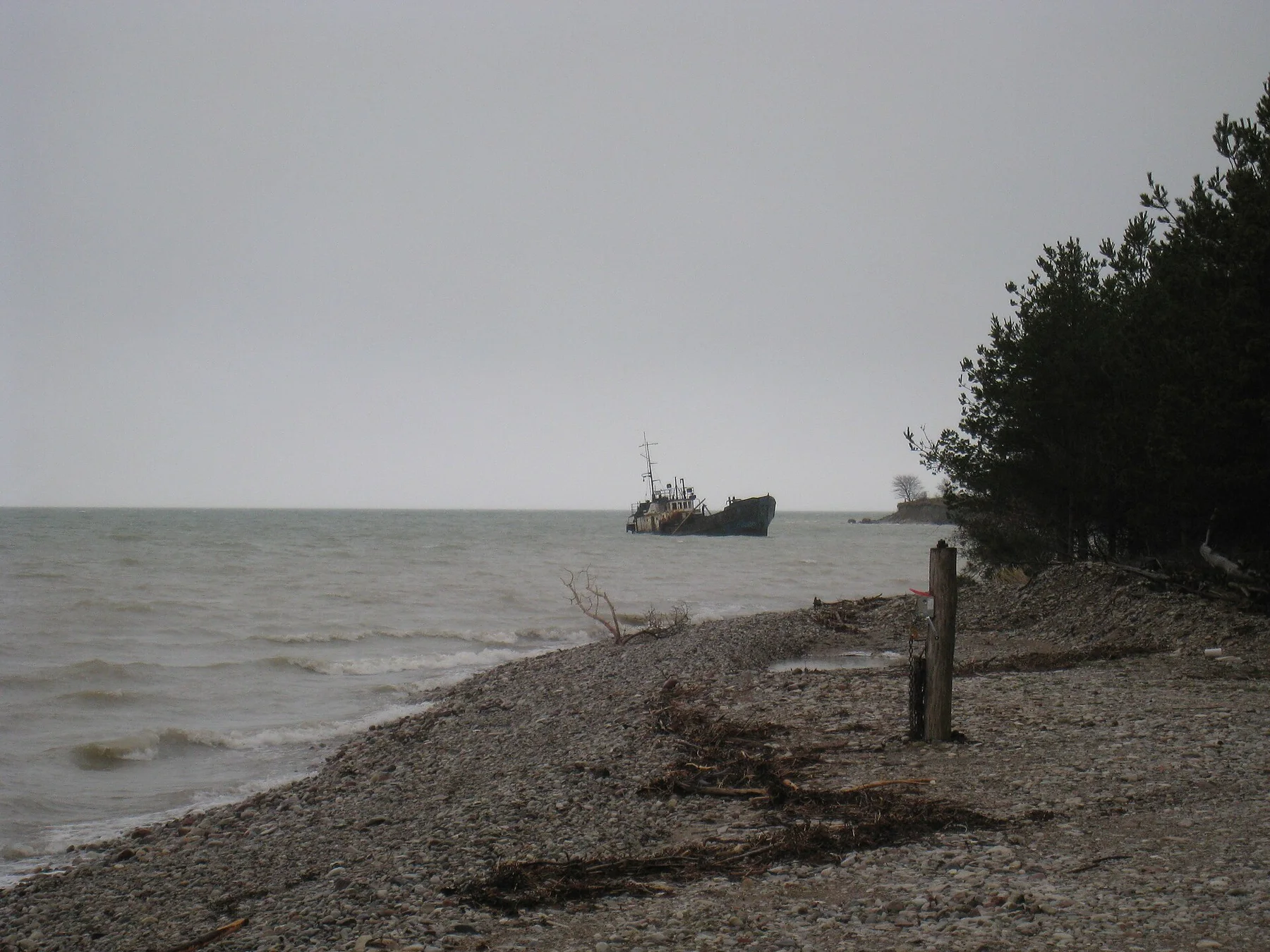
Harbours, lighthouses and coastal meadows connect community history with the Baltic Sea.

Photo journal

A closer look at Kihnu

14 photographs
Origins and change

What made Kihnu distinctive

A small Baltic island where communal traditions, patterned textiles, music and a working maritime landscape remain closely connected. Its character becomes clearer when geology, settlement and modern protection are considered together.

Kihnu is physically modest but culturally distinct. Low fields, pine woodland, coastal meadows and village roads form the setting for a community known for music, dance, textiles, language and maritime traditions. The island's cultural importance comes from the continuity between everyday life and heritage, not from a single monument.

The familiar invitation at Kihnu is “Kihnu cultural space”, yet that image makes more sense when it is connected to the landform, the local economy and the changes that determined access. Music, textiles, ceremonies and local language form a living heritage recognised beyond the island.

Continue to practical planning
Kihnu - VillageroadSee the complete photo journal
Natural history

The landform before the landmark

Before roads, settlements or protected-area boundaries, the terrain of Kihnu set the basic terms. The landscape is flat and open, shaped by wind, shallow Baltic water and seasonal changes in the coast. Roads connect dispersed farmsteads rather than a dense town. Lighthouses, harbours and shoreline meadows provide the main landmarks, while the island can be crossed slowly enough for small changes in vegetation and settlement to become noticeable.

Because land is limited, every ridge, bay and passage acquires practical importance. At Kihnu, “Kihnu cultural space” is where that compressed geography becomes easiest to read. Music, textiles, ceremonies and local language form a living heritage recognised beyond the island.

Lives and livelihoods

Settlement, movement and local knowledge

At Kihnu, daily life gives the terrain a historical meaning that a viewpoint alone cannot provide. Kihnu's cultural space is associated especially with women's traditional dress, communal ceremonies, music and the maintenance of local customs during long periods when men worked at sea. Modern life has altered those patterns, but heritage remains active through families, schools, festivals and local organisations.

At Kihnu, “Village roads” should not be treated as a decorative detail. Dispersed farmsteads and quiet roads reveal the island at bicycle and walking scale. The feature records how construction, movement or livelihood adapted to local conditions at Kihnu.

Turning point

The change that redefined the place

The decisive modern change at Kihnu was access. At Kihnu, transport and visitor infrastructure made the landscape easier to reach while concentrating pressure at the few points where roads, boats or trails enter it. At Kihnu, that transition remains visible in the contrast between older working features and visitor infrastructure.

Visible evidence

The small features that reveal the larger pattern

Start with the feature “Kihnu cultural space”, because it condenses a much larger part of the story of Kihnu. Music, textiles, ceremonies and local language form a living heritage recognised beyond the island. At Kihnu, it gives a concrete reference point for reading change rather than merely collecting viewpoints.

At Kihnu, the significance of the feature “Village roads” goes beyond its visual impact. Dispersed farmsteads and quiet roads reveal the island at bicycle and walking scale. Within Kihnu, it is both an attraction and a record of the processes described above.

At Kihnu, the feature “Maritime edge” is one of the most useful pieces of visible evidence. Harbours, lighthouses and coastal meadows connect community history with the Baltic Sea. For Kihnu, that relationship is more informative than treating the feature only as a photograph or checklist item.

Season and scale

Why the landscape still feels dynamic

A single visit to Kihnu captures only one phase of its annual cycle. Summer brings the broadest ferry access, active cultural events and long Baltic evenings. Spring and autumn are quieter and more weather-dependent. Winter can isolate the island in different ways depending on sea and ice conditions, emphasising the practical importance of local networks.

For Kihnu, the main seasonal constraint is: the strongest planning window is May-Sep. For Kihnu, outside it, check weather, daylight, road or ferry schedules and seasonal closures before committing to a fixed route.

For Kihnu, one practical detail matters: wind, sea state and tide can matter as much as distance. For Kihnu, check conditions before boat trips, exposed cliffs or tidal sections.

Placed within its wider geography, Kihnu is not an isolated exception. Kihnu and nearby Manija belong to the wider cultural geography of Estonia's western islands and the Gulf of Riga. Comparing Kihnu with Saaremaa, Muhu or Ruhnu shows how each island developed a different balance between maritime work, language, architecture and connection to the mainland.
In context

Get to know the place

The landscape

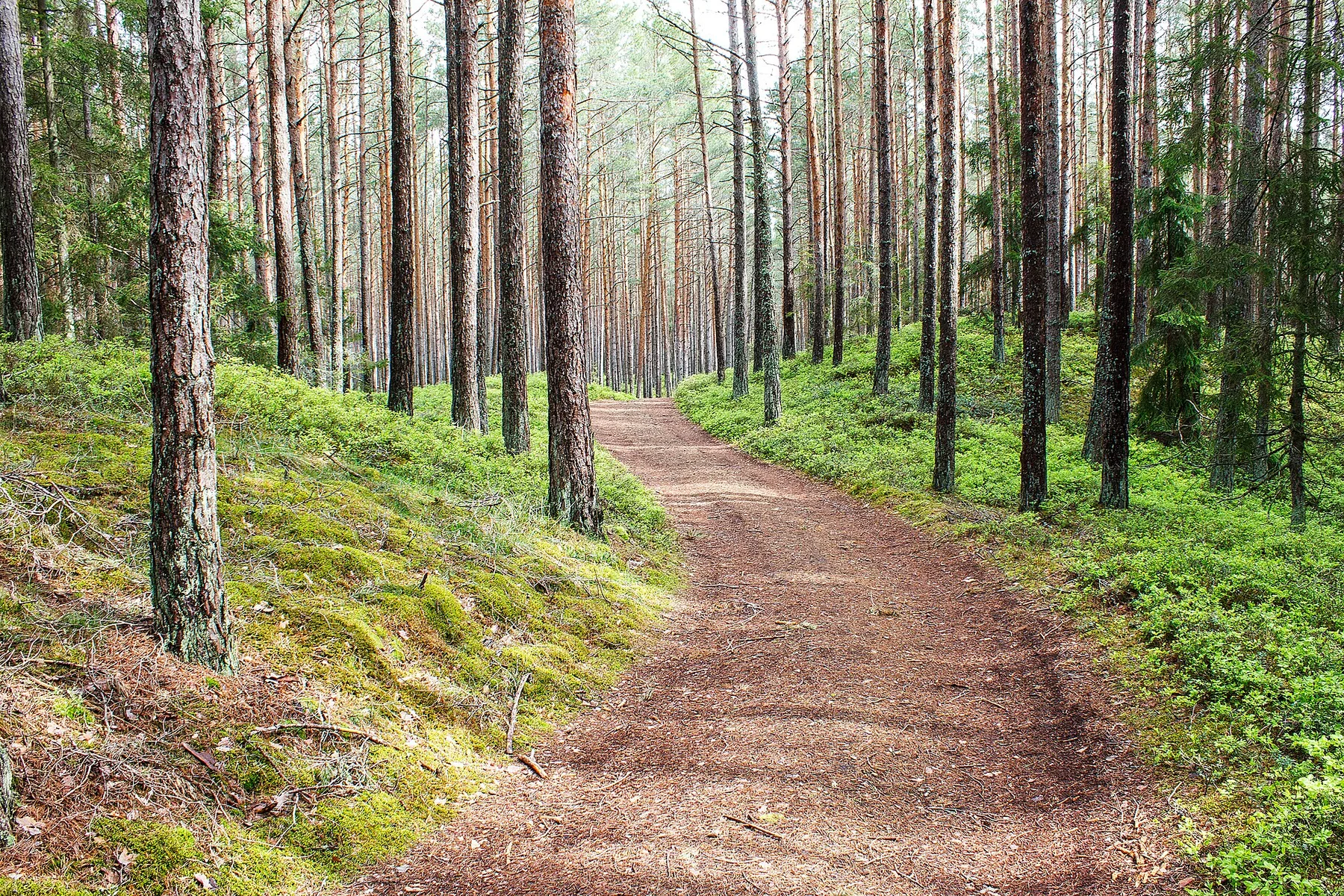
Flat fields, juniper, pine, low Baltic shores and scattered farms create an island best read slowly by bicycle rather than from a single viewpoint.

People and place

Kihnu culture combines Lutheran and older customs, maritime work, music, textiles and a strong sense of community responsibility across generations.

Seasonal character

Summer offers the most reliable ferry schedule and active village life. Spring and early autumn are quieter but weather and transport require more flexibility.

Beyond the main view

Manilaid, Parnu Bay and Estonia's other western islands place Kihnu within a wider network of Baltic coastal communities.

Travel notes

Plan your visit

Time needed
1-2 days
Getting around
Ferry and bicycle
Effort
Moderate
Plan first
Opening days and any limited-entry sites
Time of day
Evening on the west coast
Best window
May-Sep
Traveller stories

Stories from people who have been here.

First-hand moments, practical notes and overlooked details from Kihnu.

Loading traveller stories…

Browse all traveller stories ↗

Keep exploring

Where next?

All place stories