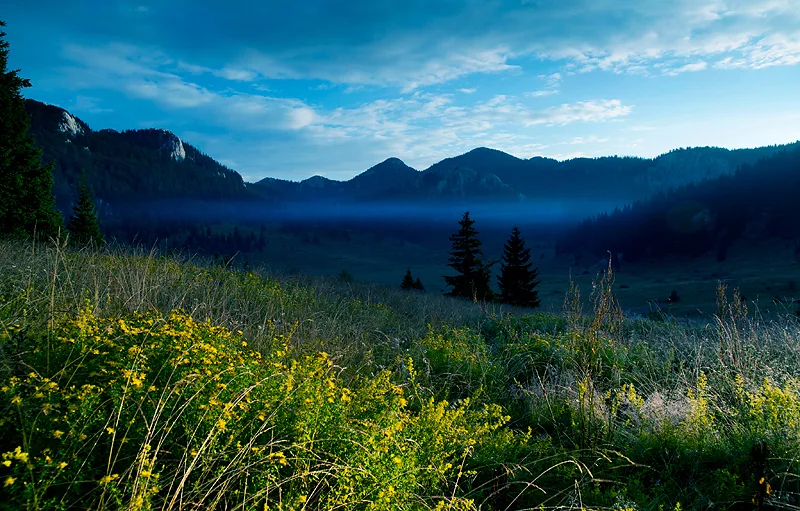
Adriatic after the crowds

Lastovo

A forested Adriatic island of stone villages, sheltered coves and a night sky kept unusually dark by its distance from the mainland.

IslandDark skyStone villages

Location
Southern Dalmatia, Croatia
Best window
May-Oct
Suggested stay
3-5 days
Go for
Quiet Adriatic immersion
The reason to go

An island that rewards staying put

Lastovo combines a deeply indented coast with inland villages, pine-covered ridges and a pace that still feels governed by ferry timetables rather than resort routines.

Stay long enough to connect Lastovo's headline landscape with one quieter local route rather than treating it as a single viewpoint.

Look a little closer

Worth discovering

The details that make Lastovo different.

Destination view
01

Fumari chimneys

Traditional houses are marked by tall, sculptural chimneys whose forms became signatures of local families and builders.

Destination view
02

Two landscapes in one

The island's interior feels wooded and agricultural, while the outer coast opens abruptly to exposed reefs and blue-water channels.

Destination view
03

A protected night

Low light pollution makes the island as memorable after sunset as it is from the water during the day.

Photo journal

A closer look at Lastovo

4 photographs
Beyond the surface

How Lastovo became the place it is

A forested Adriatic island of stone villages, sheltered coves and a night sky kept unusually dark by its distance from the mainland. Its character becomes clearer when geology, settlement and modern protection are considered together.

Lastovo combines a deeply indented coast with inland villages, pine-covered ridges and a pace that still feels governed by ferry timetables rather than resort routines.

Many visits to Lastovo begin with the experience described as “Quiet Adriatic immersion”. The more revealing question is why it exists here, how people used the surrounding ground and what remains visible from earlier phases. At Lastovo, allow enough time to connect Lastovo's headline landscape with one quieter local route instead of reducing Lastovo to a single viewpoint.

Continue to practical planning
Lastovo-StadtSee the complete photo journal
Landform

How the landscape was assembled

Understanding Lastovo starts below the visible surface. Lastovo is built from limestone ridges, karst fields, pine and maquis, with bays that cut far into the island and separate sheltered anchorages from open Adriatic water.

On an island, coast, altitude and exposure work together. At Lastovo, the feature described as “Fumari chimneys” shows how a short distance can separate sheltered ground from a very different ocean-facing environment. Traditional houses are marked by tall, sculptural chimneys whose forms became signatures of local families and builders.

Lives and livelihoods

Routes, livelihoods and belonging

Lastovo's compact stone town developed inland, away from direct attack and winter seas, while fields, vineyards and fishing grounds spread across the island. From the thirteenth century it belonged for long periods to the Republic of Ragusa, whose statutes regulated land, forests, trade and local government. A rebellion in 1602-1606 challenged Ragusan control but did not end it.

After the fall of Ragusa, Austrian, French, Italian and Yugoslav administrations succeeded one another. Italian rule between the world wars and later Yugoslav military restrictions kept the island apart from mass Adriatic tourism. Traditional fumari chimneys, terraces, churches and the planned form of Lastovo Town survived within that relative isolation.

Modern history

From local landscape to protected destination

The departure of the military and designation of Lastovo Islands Nature Park in 2006 opened the archipelago to a different kind of visitor economy. The island's strongest identity now rests on the overlap between a regulated medieval town, working fields, military traces and unusually dark night skies.

Field notes

The evidence still visible on the ground

At Lastovo, the feature “Fumari chimneys” provides a precise clue to how the landscape works. Traditional houses are marked by tall, sculptural chimneys whose forms became signatures of local families and builders. At Lastovo, it gives a concrete reference point for reading change rather than merely collecting viewpoints.

Start with the feature “Two landscapes in one”, because it condenses a much larger part of the story of Lastovo. The island's interior feels wooded and agricultural, while the outer coast opens abruptly to exposed reefs and blue-water channels. Within Lastovo, it is both an attraction and a record of the processes described above.

At Lastovo, the significance of the feature “A protected night” goes beyond its visual impact. Low light pollution makes the island as memorable after sunset as it is from the water during the day. Its position and condition at Lastovo connect physical history with the way people use the place now.
Present day

Season, scale and the present day

At Lastovo, light, water and temperature reveal different structures at different times of year. Late spring and early autumn bring warm water and easier walking without the strongest summer heat. Ferry frequency improves in summer, while wind can still reorganise boat plans.

For Lastovo, the most useful time of day is: late afternoon on the ridges.

For Lastovo, plan this first: ferry times and accommodation.

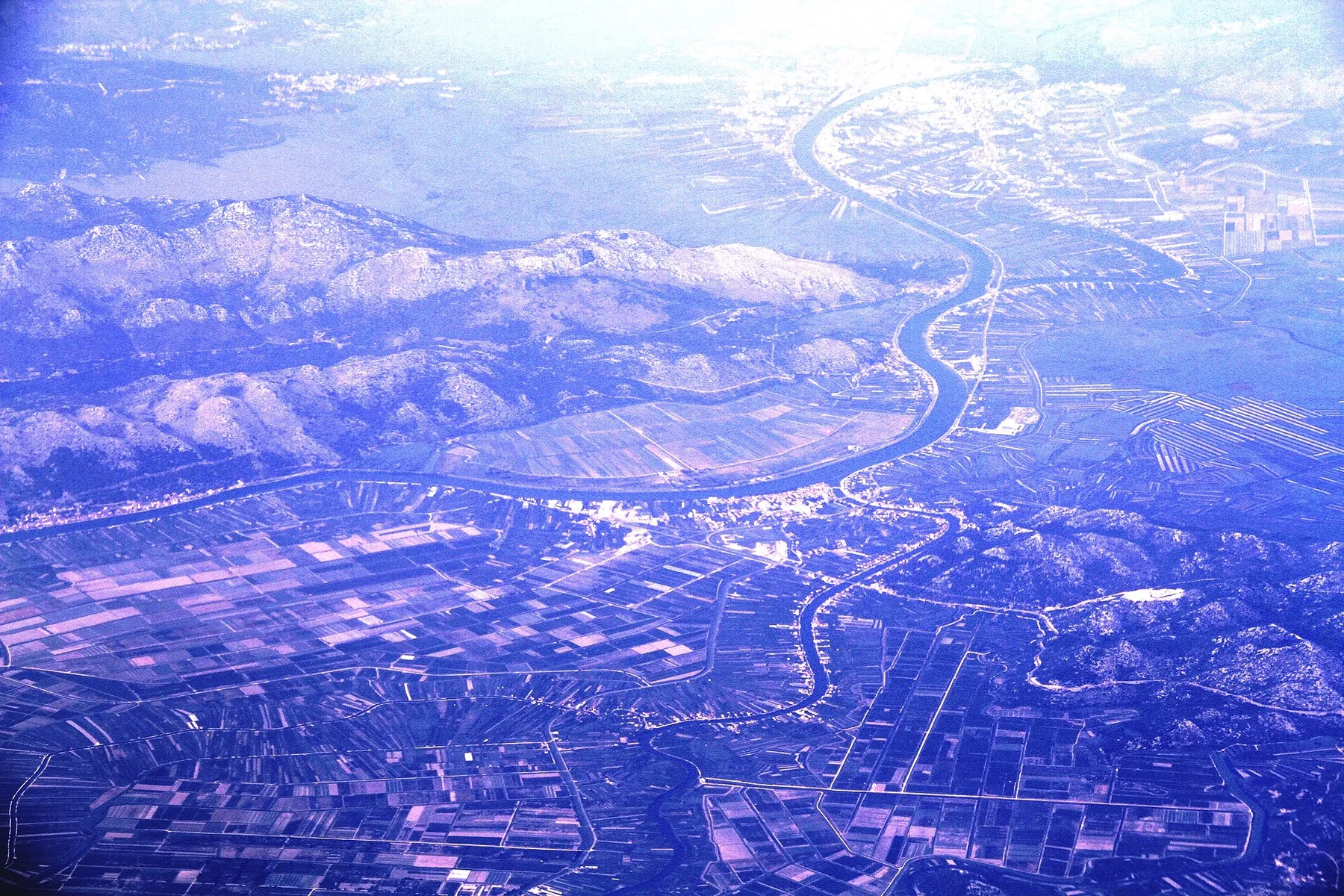
Placed within its wider geography, Lastovo is not an isolated exception. The Lastovo archipelago includes smaller islands and channels best understood from a local boat, while Korcula provides the nearest larger cultural and transport connection.

Chronology

Key dates

  1. Lastovo tied to Ragusa

    The island entered the political and commercial sphere of the Dubrovnik republic.

  2. Lastovo rebellion

    Islanders resisted Ragusan authority before the republic restored control.

  3. Nature park established

    Protection extended across the island group and reinforced a lower-intensity model of tourism.

In context

Get to know the place

The landscape

Lastovo is built from limestone ridges, karst fields, pine and maquis, with bays that cut far into the island and separate sheltered anchorages from open Adriatic water.

People and place

Lastovo Town, Ubli, Pasadur and the smaller settlements reveal a working island shaped by fishing, small-scale agriculture, ferry access and strong architectural identity.

Seasonal character

Late spring and early autumn bring warm water and easier walking without the strongest summer heat. Ferry frequency improves in summer, while wind can still reorganise boat plans.

Beyond the main view

The Lastovo archipelago includes smaller islands and channels best understood from a local boat, while Korcula provides the nearest larger cultural and transport connection.

Travel notes

Plan your visit

Time needed
3-5 days
Getting around
Ferry, local bus, bicycle or scooter
Effort
Easy to moderate
Plan first
Ferry times and accommodation
Time of day
Late afternoon on the ridges
Best window
May-Oct
Keep exploring

Where next?

All place stories