Coral cliffs above deep blue water

Lifou

A raised coral island of high cliffs, deep caves, vanilla gardens and Kanak communities east of New Caledonia's main island.

Raised coral islandKanak cultureCaves

Location
Loyalty Islands, New Caledonia, France
Best window
May-Oct
Suggested stay
4-6 days
Go for
Slow Loyalty Islands circuit
The reason to go

An island shaped upward rather than around a lagoon

Lifou's raised coral platform produces cliffs, caves and freshwater lenses, while customary Kanak land and village life remain central to how the island is visited.

Stay long enough to connect Lifou's headline landscape with one quieter local route rather than treating it as a single viewpoint.

Look a little closer

Worth discovering

The details that make Lifou different.

Destination view
01

A lifted reef

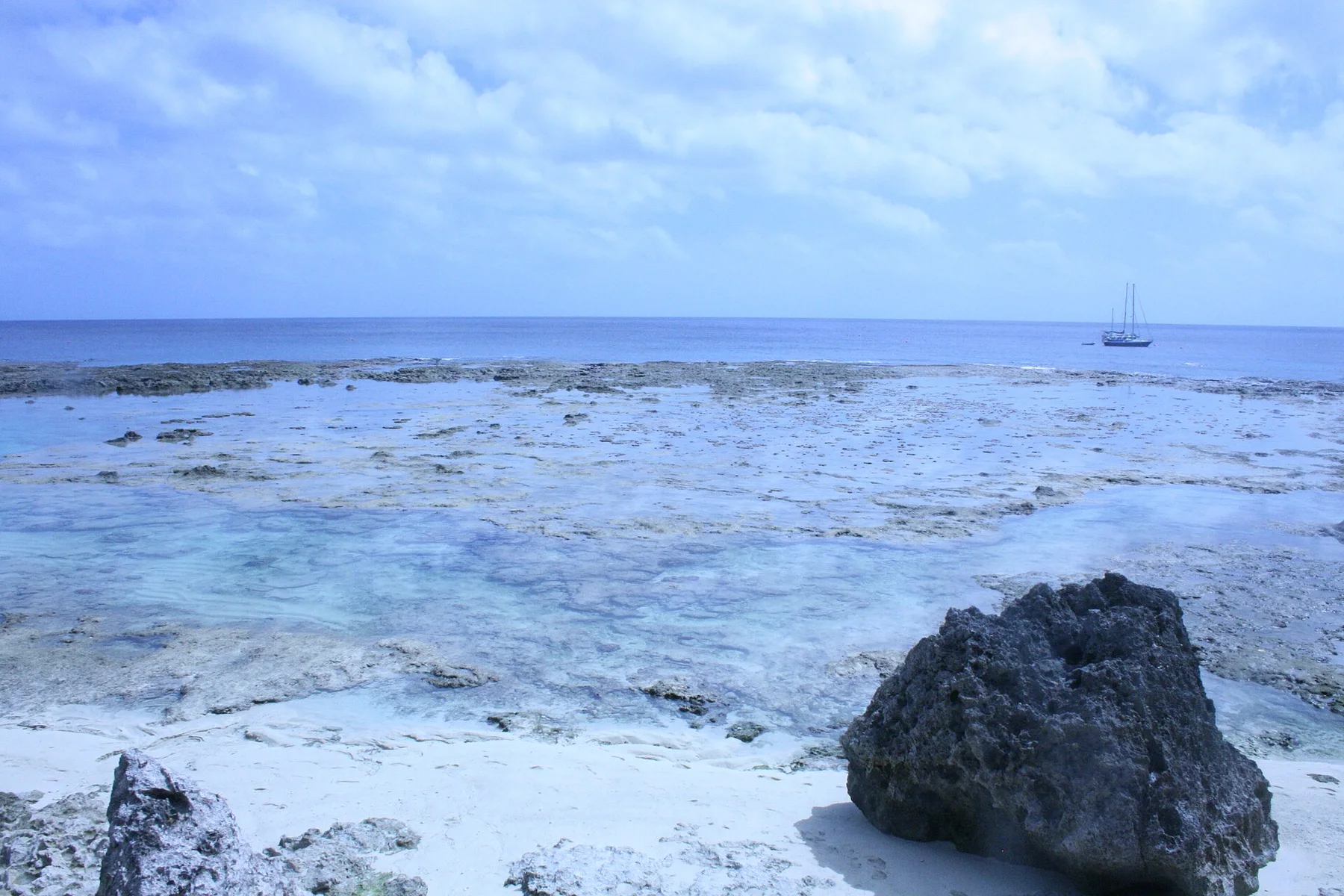
The island is an ancient coral formation raised above sea level, leaving fossil reef rock across its interior and cliffs.

Destination view
02

Fresh water in coral

Rain filters into the porous limestone and forms underground reserves rather than surface rivers.

Destination view
03

Customary access

Some sites are reached through local custodians, small fees or permission, reflecting living land relationships rather than generic public access.

Photo journal

A closer look at Lifou

4 photographs
Beyond the surface

Lifou: land, people and change

A raised coral island of high cliffs, deep caves, vanilla gardens and Kanak communities east of New Caledonia's main island. This account follows the forces, communities and decisions that made the present landscape.

Lifou's raised coral platform produces cliffs, caves and freshwater lenses, while customary Kanak land and village life remain central to how the island is visited.

Visitors often encounter Lifou through the idea of “Slow Loyalty Islands circuit”, but the destination is more than that single scene. Its landscape carries evidence of work, movement, adaptation and environmental change. At Lifou, allow enough time to connect Lifou's headline landscape with one quieter local route instead of reducing Lifou to a single viewpoint.

Continue to practical planning
Lifou-Ouvea cgs05508See the complete photo journal
Origins

From underlying structure to visible landscape

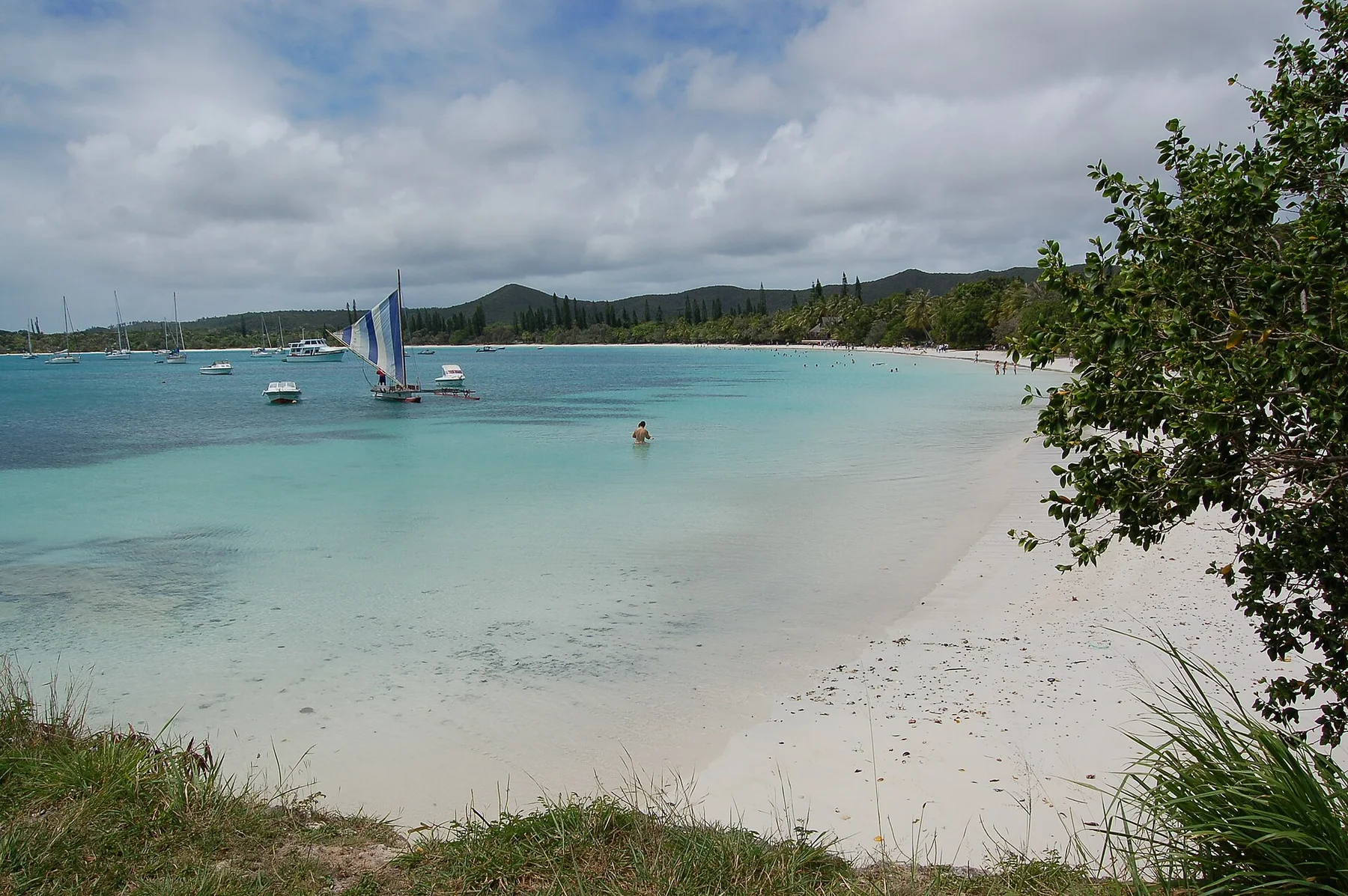
At Lifou, the form of the landscape explains many of the choices that came later. Limestone plateau, forest, caves, white beaches and high coastal cliffs create a large island with very different north, east and west shores.

The map understates the role of the sea. At Lifou, “A lifted reef” makes clear that water is both a boundary and the route through which settlements, wildlife and outside connections developed. The island is an ancient coral formation raised above sea level, leaving fossil reef rock across its interior and cliffs.

Settlement and memory

People, work and memory

Lifou's Kanak chiefdoms organised land, caves, gardens and lagoon rights long before sustained European contact. The Drehu language remains central to identity, and clan relationships continue to influence permission and access across an island often mistaken for a simple ring of beaches.

Sandalwood traders and Christian missionaries arrived in the nineteenth century, and competition between Catholic and Protestant missions reshaped villages and chiefly politics. France annexed New Caledonia, while the Loyalty Islands retained distinctive customary institutions that later became important in the Kanak independence movement.

Reorganisation

What altered the old balance

The creation of Loyalty Islands Province and the wider decolonisation process strengthened formal recognition of customary authority. Churches, chiefly compounds, vanilla gardens, caves and reef passages show how imported religion and colonial administration were absorbed into a continuing Kanak landscape.

Details to read

The evidence still visible on the ground

Look closely at the feature “A lifted reef” in Lifou; it carries information that a panoramic view can miss. The island is an ancient coral formation raised above sea level, leaving fossil reef rock across its interior and cliffs. Within Lifou, the feature explains why this destination differs from nearby landscapes.

At Lifou, the feature “Fresh water in coral” is one of the most useful pieces of visible evidence. Rain filters into the porous limestone and forms underground reserves rather than surface rivers. For Lifou, that relationship is more informative than treating the feature only as a photograph or checklist item.

Start with the feature “Customary access”, because it condenses a much larger part of the story of Lifou. Some sites are reached through local custodians, small fees or permission, reflecting living land relationships rather than generic public access. Within Lifou, it is both an attraction and a record of the processes described above.
Present day

Season, scale and the present day

A single visit to Lifou captures only one phase of its annual cycle. The cooler dry season offers comfortable road travel and water conditions. Tropical rain and cyclones are more likely in the warmer months.

For Lifou, the most useful time of day is: morning beaches and late cliff light.

For Lifou, plan this first: vehicle and customary site access.

Placed within its wider geography, Lifou is not an isolated exception. For Lifou, the wider context shows that, mare, Ouvea and Grande Terre reveal contrasting Loyalty Island and lagoon landscapes within New Caledonia.

Chronology

Key dates

  1. Drehu chiefdoms and customary tenure

    Clans governed land, gardens, caves and marine areas through established relationships and obligations.

  2. Mission rivalry and French annexation

    Catholic and Protestant networks transformed settlement, education and political alliances.

  3. Provincial and customary recognition

    New Caledonia's political accords increased the institutional role of Kanak authority in the Loyalty Islands.

In context

Get to know the place

The landscape

Limestone plateau, forest, caves, white beaches and high coastal cliffs create a large island with very different north, east and west shores.

People and place

Drehu language, clan territories, churches, vanilla growing and customary practice shape daily life across dispersed Kanak communities.

Seasonal character

The cooler dry season offers comfortable road travel and water conditions. Tropical rain and cyclones are more likely in the warmer months.

Beyond the main view

Mare, Ouvea and Grande Terre reveal contrasting Loyalty Island and lagoon landscapes within New Caledonia.

Travel notes

Plan your visit

Time needed
4-6 days
Getting around
Flight, rental car and local transfers
Effort
Easy to moderate
Plan first
Vehicle and customary site access
Time of day
Morning beaches and late cliff light
Best window
May-Oct
Keep exploring

Where next?

All place stories