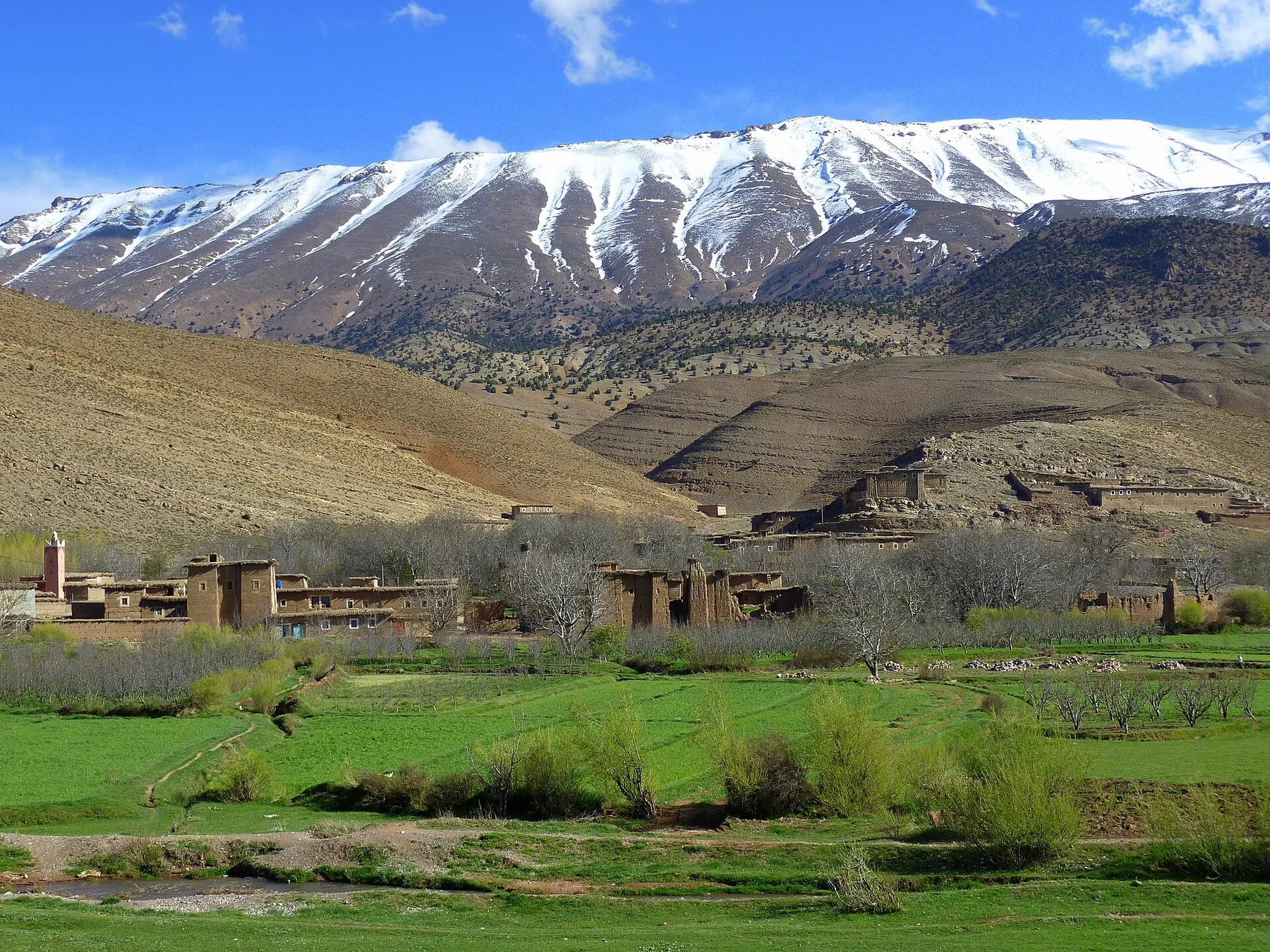
An ecological island above the forest

Mount Nimba

A biologically exceptional mountain rising above West African forest and savanna, divided by borders and marked by both conservation and mining pressure.

BiodiversityMountainsWest Africa

Location
Guinean Highlands, Guinea, Cote d'Ivoire and Liberia
Best window
Nov-Feb
Suggested stay
3-6 days
Go for
Rare highland ecology
The reason to go

A mountain whose isolation created rarity

Mount Nimba's altitude, soils and separation from other ranges support unusual habitats and species, while its border position reveals the practical complexity of protecting them.

Stay long enough to connect Mount Nimba's headline landscape with one quieter local route rather than treating it as a single viewpoint.
Look a little closer

Worth discovering

The details that make Mount Nimba different.

Photo journal
01

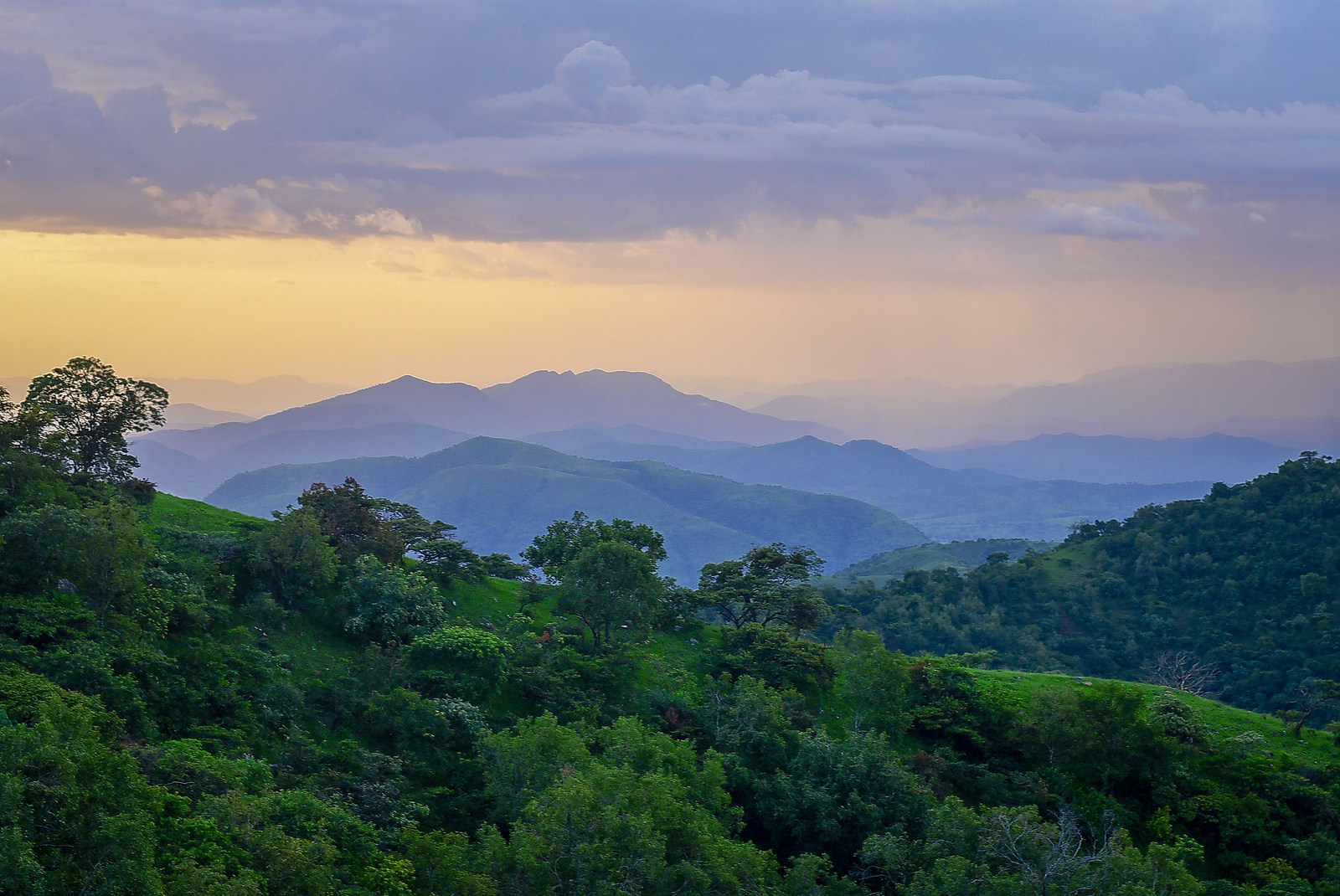
Highland grass above rainforest

Montane grasslands and rocky ridges sit directly above dense lowland forest, creating rapid ecological transitions.

Destination view
02

Remarkable endemic life

The massif supports species and local forms found nowhere else or in only a very small West African range.

Destination view
03

Conservation beside extraction

Iron-rich geology gives the mountain economic value that has repeatedly conflicted with its biological importance.

Photo journal

A closer look at Mount Nimba

4 photographs
Beyond the surface

Mount Nimba: the story behind the landscape

A biologically exceptional mountain rising above West African forest and savanna, divided by borders and marked by both conservation and mining pressure. Its character becomes clearer when geology, settlement and modern protection are considered together.

Mount Nimba's altitude, soils and separation from other ranges support unusual habitats and species, while its border position reveals the practical complexity of protecting them.

Visitors often encounter Mount Nimba through the idea of “Rare highland ecology”, but the destination is more than that single scene. Its landscape carries evidence of work, movement, adaptation and environmental change. At Mount Nimba, allow enough time to connect Mount Nimba's headline landscape with one quieter local route instead of reducing Mount Nimba to a single viewpoint.

Continue to practical planning
Nimba westernchimpsSee the complete photo journal
Landform

What the ground explains

The first layer of Mount Nimba is geological and ecological rather than scenic. Steep ridges, iron-rich rock, montane grassland, gallery forest and surrounding rainforest form a compact but vertically complex massif.

The skyline is only the upper edge of a larger system. At Mount Nimba, “Highland grass above rainforest” connects the high ground with valleys, settlement and the movement of water below. Montane grasslands and rocky ridges sit directly above dense lowland forest, creating rapid ecological transitions.

Settlement and memory

Lives shaped by the terrain

Mount Nimba rises across the borders of Guinea, Cote d'Ivoire and Liberia in a region inhabited by communities whose farming, hunting and sacred traditions long preceded modern frontiers. Its iron-rich rocks also made the range a target for industrial geology and mining exploration.

French colonial authorities created a strict nature reserve in the 1940s, and the Guinean and Ivorian sections later received World Heritage status. Scientific work revealed exceptional endemism, including viviparous toads and specialised grassland species that depend on sharp changes in altitude and moisture.

Reorganisation

From local landscape to protected destination

Iron-ore projects and political conflict placed the protected range on the World Heritage in Danger list. Mount Nimba is therefore both a biodiversity refuge and a test of whether cross-border conservation can coexist with mineral wealth and local livelihoods.

Details to read

Where the story becomes visible

At Mount Nimba, the feature “Highland grass above rainforest” is one of the most useful pieces of visible evidence. Montane grasslands and rocky ridges sit directly above dense lowland forest, creating rapid ecological transitions. At Mount Nimba, it gives a concrete reference point for reading change rather than merely collecting viewpoints.

At Mount Nimba, the feature “Remarkable endemic life” is one of the most useful pieces of visible evidence. The massif supports species and local forms found nowhere else or in only a very small West African range. At Mount Nimba, the detail links local scale with the wider regional pattern.

Look closely at the feature “Conservation beside extraction” in Mount Nimba; it carries information that a panoramic view can miss. Iron-rich geology gives the mountain economic value that has repeatedly conflicted with its biological importance. Within Mount Nimba, it is both an attraction and a record of the processes described above.

Living landscape

Season, scale and the present day

At Mount Nimba, season is part of the landscape history, not merely a planning detail. The drier months generally offer easier access and clearer ridges. Rain makes the landscape lush but can make roads and slopes very difficult.

For Mount Nimba, the most useful time of day is: early ridge departures.

For Mount Nimba, plan this first: permits, border side and local guide.

Placed within its wider geography, Mount Nimba is not an isolated exception. For Mount Nimba, the wider context shows that, the Guinean Highlands, including Ziama and the Fouta Djallon connections farther north, reveal a wider West African highland conservation story.

Chronology

Key dates

  1. Strict reserve created

    Colonial conservation formalised protection of high grasslands and forest on the mountain.

  2. World Heritage recognition

    Guinea and Cote d'Ivoire secured international status for the transboundary reserve.

  3. Mining and conflict pressures

    Resource projects and regional instability complicated conservation across three national jurisdictions.

In context

Get to know the place

The landscape

Steep ridges, iron-rich rock, montane grassland, gallery forest and surrounding rainforest form a compact but vertically complex massif.

People and place

Communities around the mountain use farms, forest products and cross-border routes, while research, protected areas and mining proposals shape modern livelihoods.

Seasonal character

The drier months generally offer easier access and clearer ridges. Rain makes the landscape lush but can make roads and slopes very difficult.

Beyond the main view

The Guinean Highlands, including Ziama and the Fouta Djallon connections farther north, reveal a wider West African highland conservation story.

Travel notes

Plan your visit

Time needed
3-6 days
Getting around
4x4 and guided hiking
Effort
Challenging
Plan first
Permits, border side and local guide
Time of day
Early ridge departures
Best window
Nov-Feb
Keep exploring

Where next?

All place stories