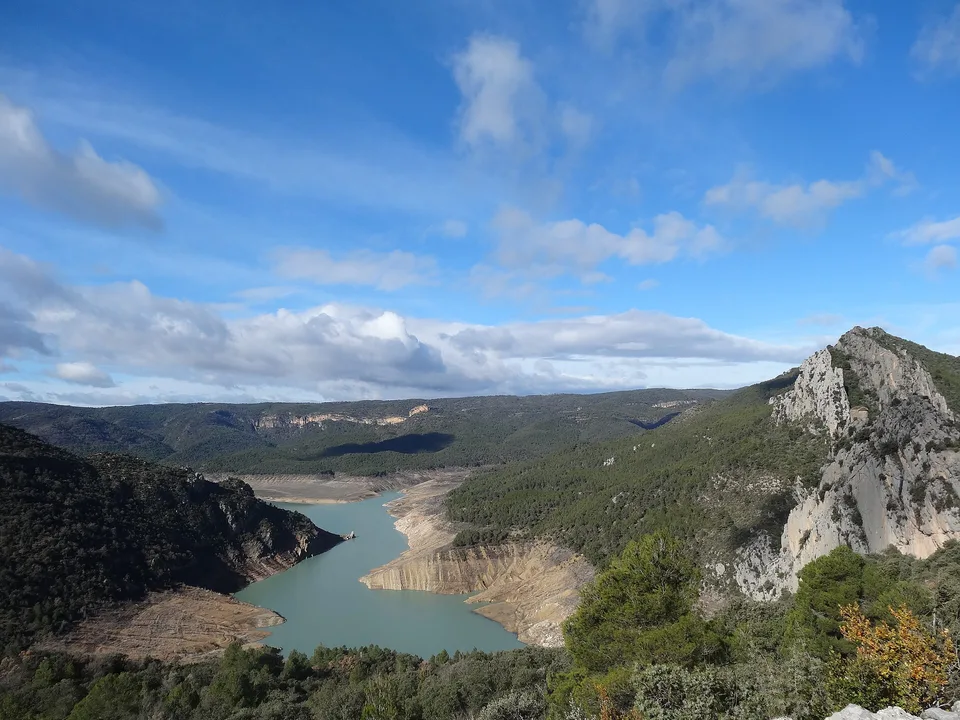
Gorge trail

Ruta del Cares

A historic maintenance path threads through tunnels and ledges high above the Cares River between Cain and Poncebos.

Gorge trailDramatic routeViewpointsRock tunnelsCares ledges

Location
Picos de Europa, Spain
Best window
Apr-Jun, Sep-Oct
Suggested stay
Full day
Go for
Long limestone gorge walk
The reason to go

Follow the canal path through the Divine Gorge

The route remains close to the cliff for kilometres, alternating between open ledges, rock tunnels and views into the narrow river gorge.

Decide whether to walk one way with a transfer or accept the full out-and-back distance before starting.

Look a little closer

Worth discovering

The details that make Ruta del Cares different.

Destination view
01

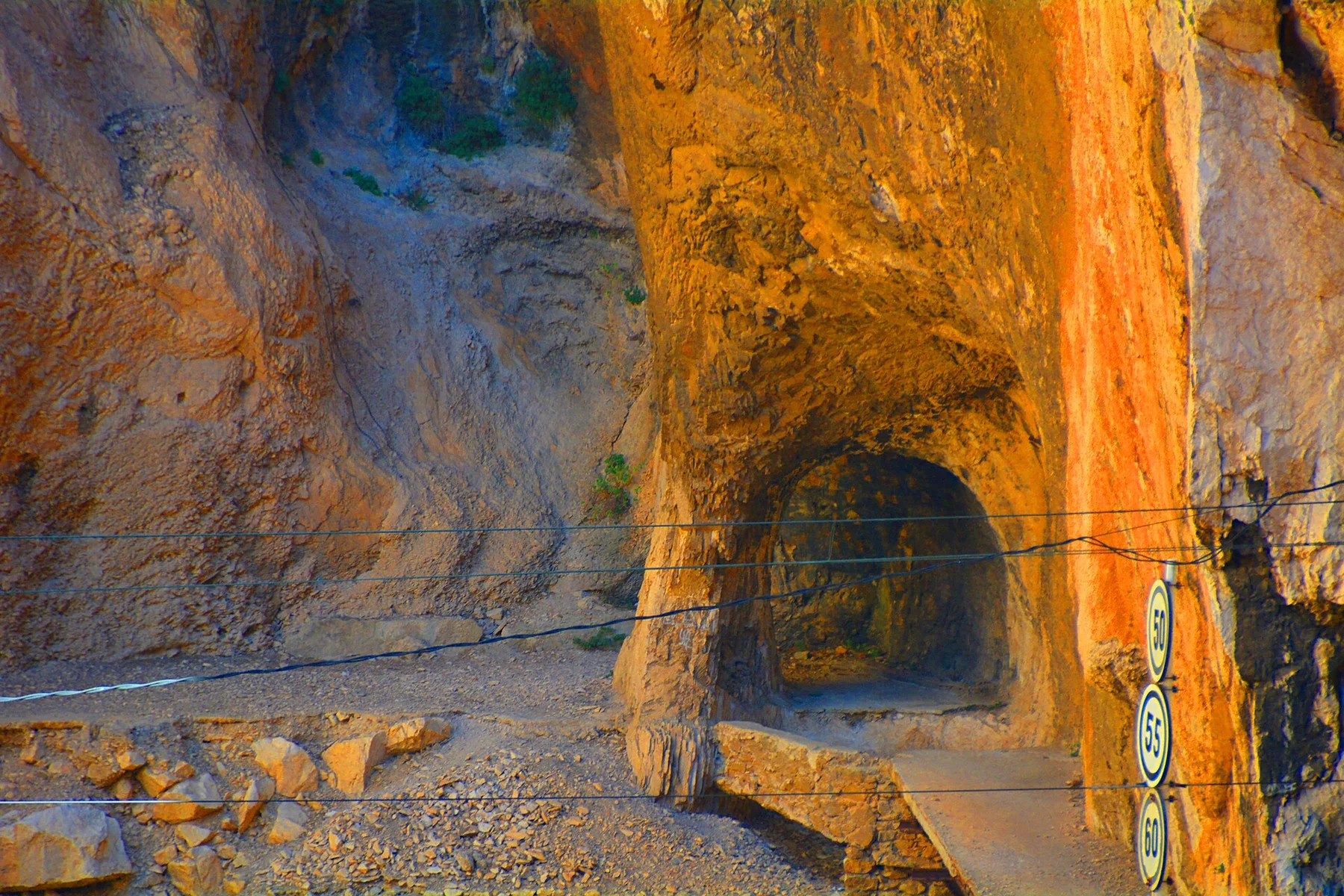
Rock tunnels

Short tunnels cut through projecting limestone ribs along the historic canal route.

Destination view
02

Cares ledges

The path holds a remarkably level line above a deep, twisting gorge.

Destination view
03

Cain footbridges

Near Cain, bridges cross the narrowest part of the canyon between dark rock walls.

Photo journal

A closer look at Ruta del Cares

6 photographs
Landscape and history

Ruta del Cares beyond the first view

A historic maintenance path threads through tunnels and ledges high above the Cares River between Cain and Poncebos. The deeper story links its visible features with the people and changes behind them.

Ruta del Cares is centred on Picos de Europa, where a historic maintenance path threads through tunnels and ledges high above the Cares River between Cain and Poncebos. The strongest reason to make the journey is to follow the canal path through the Divine Gorge.

Many visits to Ruta del Cares begin with the experience described as “Follow the canal path through the Divine Gorge”. The more revealing question is why it exists here, how people used the surrounding ground and what remains visible from earlier phases. The route remains close to the cliff for kilometres, alternating between open ledges, rock tunnels and views into the narrow river gorge.

Continue to practical planning
Camp Cares 1984 dia (93Inc)modSee the complete photo journal
Landform

The physical foundations of the place

The first layer of Ruta del Cares is geological and ecological rather than scenic. Changes in height, rock, water and exposure make the sequence important: the approach, the most engineered or natural passage and the final overlook each reveal a different part of Picos de Europa.

The path is inseparable from the terrain it crosses. At Ruta del Cares, “Rock tunnels” turns engineering or trail logic into something visible underfoot. Short tunnels cut through projecting limestone ribs along the historic canal route.

Lives and livelihoods

People, work and memory

The Cares route is often described as an old mountain path, but its present line was created for an industrial purpose. Work began in the 1910s on a canal carrying water through the gorge to the Camarmena-Poncebos hydroelectric station, and a maintenance track was later widened to service the channel.

Tunnels, retaining walls, bridges and openings in the rock are therefore part of a single hydraulic system. The path became a celebrated hike only after the engineering corridor had already changed movement through the gorge.

Change

How access and attention changed the place

Reading the canal intakes and rock-cut galleries explains why the trail holds an almost level course above a river that drops sharply below it; the geometry belongs to water management, not to a scenic path designed from scratch.

On the ground

Landmarks that carry the deeper story

At Ruta del Cares, the feature “Rock tunnels” provides a precise clue to how the landscape works. Short tunnels cut through projecting limestone ribs along the historic canal route. Its position and condition at Ruta del Cares connect physical history with the way people use the place now.

At Ruta del Cares, the feature “Cares ledges” is one of the most useful pieces of visible evidence. The path holds a remarkably level line above a deep, twisting gorge. For Ruta del Cares, that relationship is more informative than treating the feature only as a photograph or checklist item.

At Ruta del Cares, the feature “Cain footbridges” provides a precise clue to how the landscape works. Near Cain, bridges cross the narrowest part of the canyon between dark rock walls. At Ruta del Cares, the detail links local scale with the wider regional pattern.

Season and scale

The place within its wider region

At Ruta del Cares, season is part of the landscape history, not merely a planning detail. For Ruta del Cares, the most reliable visiting window is Apr-Jun, Sep-Oct.

For Ruta del Cares, one practical detail matters: there is little shade and few exit points. For Ruta del Cares, start with enough water and avoid assuming that the apparently level path makes the return short.

For Ruta del Cares, the most useful visiting period is: early morning from either end.

Placed within its wider geography, Ruta del Cares is not an isolated exception. Beyond the best-known image of Ruta del Cares crossing, Ruta del Cares is useful because cares ledges and cain footbridges place the route inside a broader landscape story.

Chronology

Key dates

  1. A canal through the gorge

    Hydroelectric works established the water channel that still accompanies much of the route.

  2. Maintenance access widened

    The service path was improved so workers and materials could reach the canal through the Cares gorge.

  3. Engineering corridor turned long-distance walk

    The route remains inseparable from the operating hydraulic infrastructure beside it.

Travel notes

Plan your visit

Time needed
Full day
Getting around
Out-and-back walk or arranged transfer
Effort
Moderate; long and exposed
Plan first
Return transport, water and tunnel light
Time of day
Early morning from either end
Best window
Apr-Jun, Sep-Oct
Traveller stories

Stories from people who have been here.

First-hand moments, practical notes and overlooked details from Ruta del Cares.

Loading traveller stories…

Browse all traveller stories ↗

Keep exploring

Where next?

All place stories