Walk the prehistoric stone labyrinths on Bolshoy Zayatsky
The low spirals are easy to miss in photographs but powerful on site, especially when combined with the open White Sea horizon and the nearby monastery landscape.
Check opening days and local access before arrival, then connect the main historic site with the surrounding landscape on foot or by water.
Look a little closer
Worth discovering
The details that make Solovetsky Islands different.
Destination view
01
Solovetsky Monastery
Massive walls and towers dominate the main harbour.
Destination view
02
Bolshoy Zayatsky labyrinths
Stone spirals preserve a much older layer of island history.
Destination view
03
Canal-linked lakes
Monastic engineering connected freshwater lakes across the main island.
Photo journal
A closer look at Solovetsky Islands
9 photographs
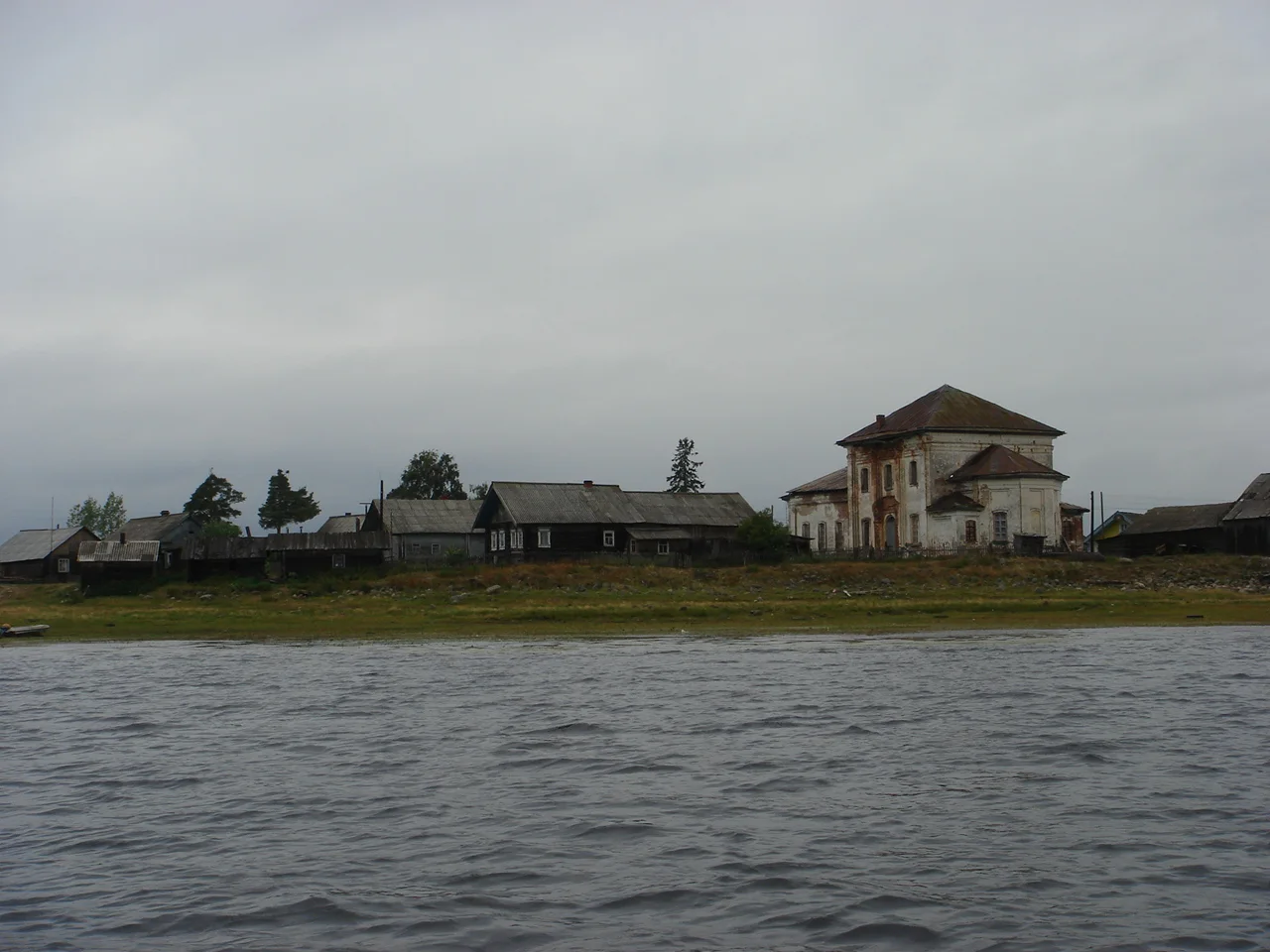
01Соловецкий монастырь02Solovetsky Islands — view 203Святое озеро04Ворота Святые(между Успенской и Прядильной башнями)05Прядильная и Белая башни06Белая и Архангельская башни 207Unnamed Road, Solovetskiy, Arkhangelskaya oblast', Russia, 164070 - panoramio08Белая и Архангельская башни09Прядильная башня 07
Beyond the surface
Solovetsky Islands: the story behind the landscape
A White Sea archipelago where a fortified monastery, stone labyrinths, forest lakes and difficult twentieth-century history occupy the same islands. Its character becomes clearer when geology, settlement and modern protection are considered together.
4 min readWhite Sea, Russia
Solovetsky Islands is centred on White Sea, where a White Sea archipelago where a fortified monastery, stone labyrinths, forest lakes and difficult twentieth-century history occupy the same islands. The strongest reason to make the journey is to walk the prehistoric stone labyrinths on bolshoy zayatsky.
The familiar invitation at Solovetsky Islands is “Walk the prehistoric stone labyrinths on Bolshoy Zayatsky”, yet that image makes more sense when it is connected to the landform, the local economy and the changes that determined access. The low spirals are easy to miss in photographs but powerful on site, especially when combined with the open White Sea horizon and the nearby monastery landscape.
Before roads, settlements or protected-area boundaries, the terrain of Solovetsky Islands set the basic terms. Built heritage, working settlement and surrounding land or water form one continuous cultural landscape. The approach and the space between sites are as important as the principal monument.
Architecture at Solovetsky Islands responds to environment as much as style. “Solovetsky Monastery” makes that relationship particularly clear. Massive walls and towers dominate the main harbour.
02
Human history
The cultural layer of the place
The Solovetsky monastery was founded in the fifteenth century and grew into a fortified religious, economic and political centre of the Russian North. Monks built harbours, canals, causeways and productive landscapes across the archipelago.
After the revolution, the monastery was closed and the islands became one of the earliest major Soviet prison-camp complexes. The Solovki camp of the 1920s and 1930s made the archipelago a foundational site in the history of the Gulag.
03
Change
From local landscape to protected destination
Religious life returned late in the Soviet period, while museums and memorial work now coexist with the revived monastery. The visitor landscape therefore contains sacred heritage, military architecture and sites of state terror that cannot be separated into comfortable narratives.
04
Visible evidence
The small features that reveal the larger pattern
At Solovetsky Islands, the feature “Solovetsky Monastery” is one of the most useful pieces of visible evidence. Massive walls and towers dominate the main harbour. Within Solovetsky Islands, the feature explains why this destination differs from nearby landscapes.
At Solovetsky Islands, the feature “Bolshoy Zayatsky labyrinths” provides a precise clue to how the landscape works. Stone spirals preserve a much older layer of island history. Within Solovetsky Islands, the feature explains why this destination differs from nearby landscapes.
Look closely at the feature “Canal-linked lakes” in Solovetsky Islands; it carries information that a panoramic view can miss. Monastic engineering connected freshwater lakes across the main island. At Solovetsky Islands, it gives a concrete reference point for reading change rather than merely collecting viewpoints.
05
Living landscape
Why the landscape still feels dynamic
A single visit to Solovetsky Islands captures only one phase of its annual cycle. For Solovetsky Islands, the most reliable visiting window is Jun-Sep.
For Solovetsky Islands, the stated visiting window is Jun-Sep, but its practical meaning depends on local weather, water and transport rather than the calendar alone.
Placed within its wider geography, Solovetsky Islands is not an isolated exception. Beyond the best-known image of Solovetsky Islands feature, Solovetsky Islands matters because bolshoy zayatsky labyrinths and canal-linked lakes place the destination inside a broader regional story.
Chronology
Key dates
Monastic settlement begins
Hermits founded the community that developed into a powerful northern monastery.
Solovki prison camp
The islands operated as a laboratory for the Soviet forced-labour system.
World Heritage inscription
UNESCO recognised the cultural and historic ensemble of the archipelago.
Travel notes
Plan your visit
Time needed
2-3 days
Getting around
Walking locally, with road or water links between stops
Effort
Easy to moderate
Plan first
Opening days, local access and accommodation
Time of day
Morning and late afternoon
Best window
Jun-Sep
Traveller stories
Stories from people who have been here.
First-hand moments, practical notes and overlooked details from Solovetsky Islands.