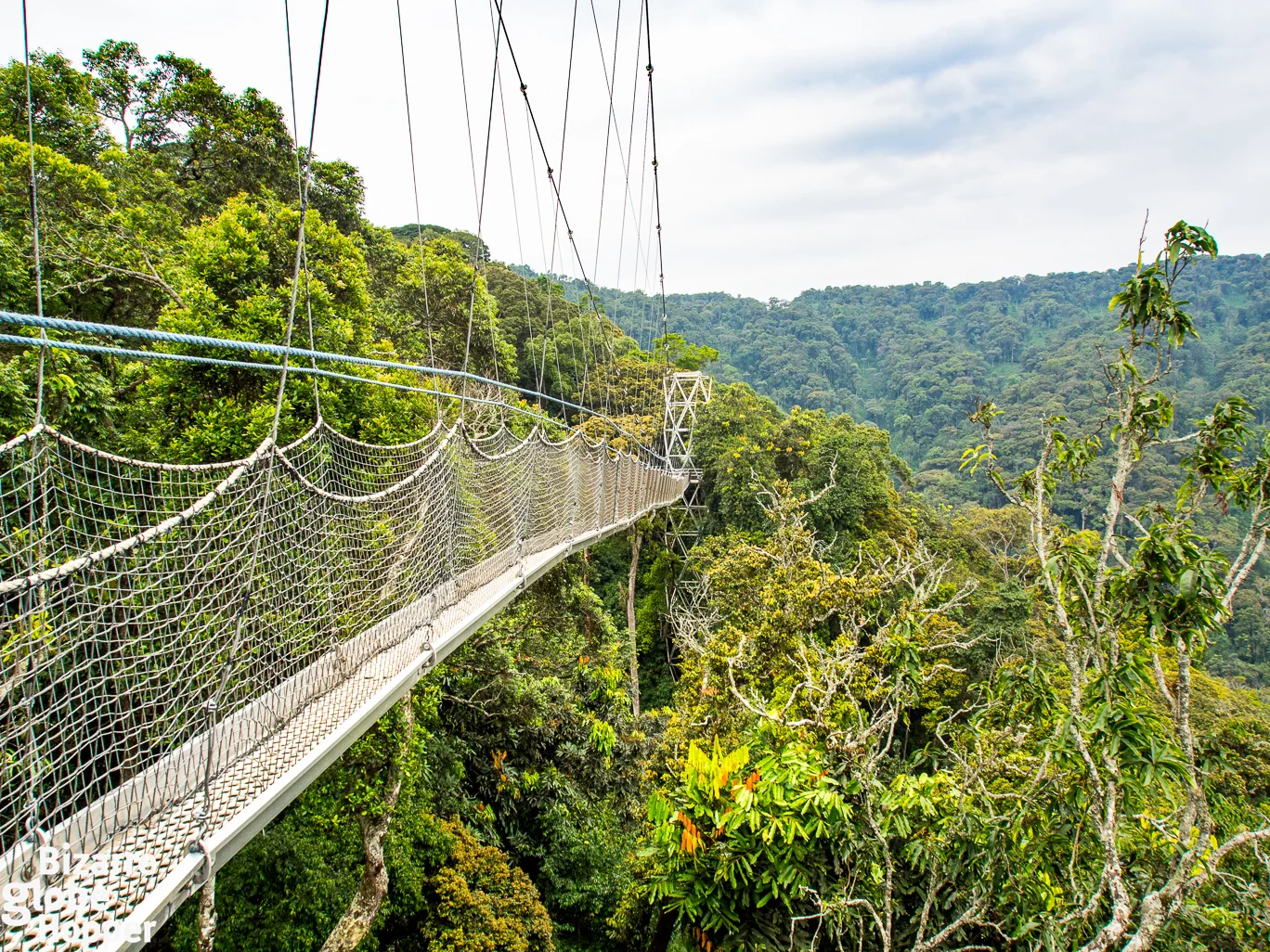
Karst via ferrata

Tsingy de Bemaraha

Ladders, cables and suspension bridges cross a razor-sharp limestone forest above caves and dry canyons.

Karst via ferrataDramatic routeViewpointsLimestone pinnaclesSuspension bridges

Location
Melaky, Madagascar
Best window
May-Oct
Suggested stay
Full day
Go for
Technical karst circuit
The reason to go

Cross the Grand Tsingy suspension bridges

The route moves through slots, climbs fixed ladders and emerges above a field of limestone needles where narrow bridges link isolated rock towers.

Choose the circuit with the guide according to comfort with confined caves and exposed ladders; access roads take longer than the map suggests.

Look a little closer

Worth discovering

The details that make Tsingy de Bemaraha different.

Destination view
01

Limestone pinnacles

Eroded rock forms sharp blades and towers across the plateau.

Destination view
02

Suspension bridges

Narrow bridges cross voids between the highest karst formations.

Destination view
03

Cave passages

Parts of the route move through dark slots and underground chambers before climbing back into light.

Photo journal

A closer look at Tsingy de Bemaraha

2 photographs
Landscape and history

Tsingy de Bemaraha beyond the first view

Ladders, cables and suspension bridges cross a razor-sharp limestone forest above caves and dry canyons. This account follows the forces, communities and decisions that made the present landscape.

Tsingy de Bemaraha is centred on Melaky, where ladders, cables and suspension bridges cross a razor-sharp limestone forest above caves and dry canyons. The strongest reason to make the journey is to cross the Grand Tsingy suspension bridges.

The familiar invitation at Tsingy de Bemaraha is “Cross the Grand Tsingy suspension bridges”, yet that image makes more sense when it is connected to the landform, the local economy and the changes that determined access. The route moves through slots, climbs fixed ladders and emerges above a field of limestone needles where narrow bridges link isolated rock towers.

Continue to practical planning
Tsingy DSCN1454See the complete photo journal
Origins

The forces behind the first impression

At Tsingy de Bemaraha, the form of the landscape explains many of the choices that came later. Changes in height, rock, water and exposure make the sequence important: the approach, the most engineered or natural passage and the final overlook each reveal a different part of Melaky.

Movement is the organising idea at Tsingy de Bemaraha. “Limestone pinnacles” explains how the route negotiates an obstacle that would otherwise divide the landscape. Eroded rock forms sharp blades and towers across the plateau.

Lives and livelihoods

The human landscape behind the scenery

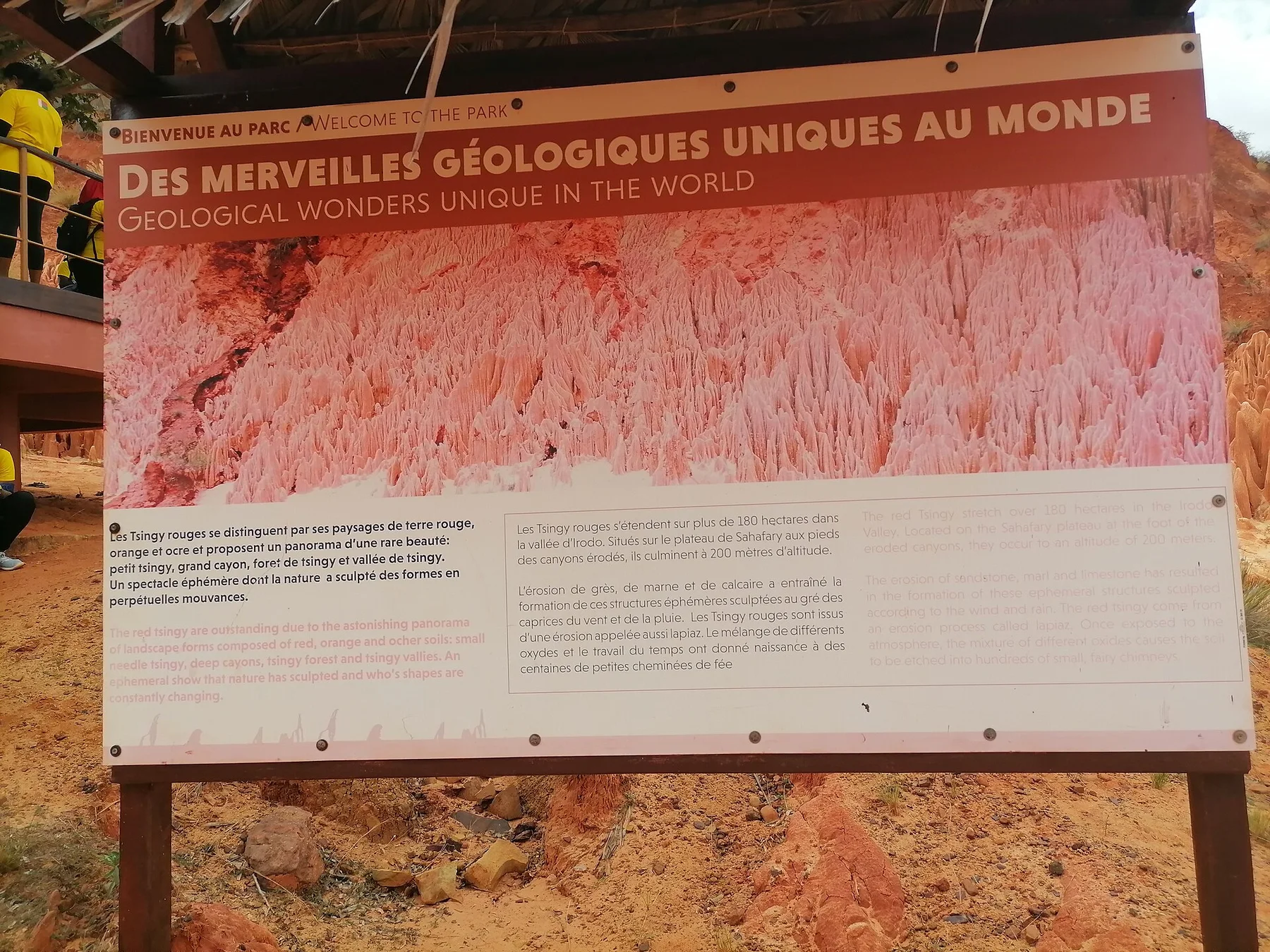
The stone forests of Bemaraha developed over vast geological time as water dissolved and cut Jurassic limestone into blades, shafts and caves. Human use concentrated in less hostile valleys and cave systems, where Vazimba associations, burial traditions and local taboos remain important.

French colonial mapping and later scientific expeditions brought the massif into formal conservation planning. A strict nature reserve was created in 1927, and parts later gained UNESCO recognition and national-park status.

Modern history

What altered the old balance

Suspension bridges, ladders and fixed routes opened selected sectors to visitors, but most of the massif remains inaccessible. Tourism therefore reveals a controlled fragment of a much larger cultural and ecological landscape.

On the ground

Three details that explain the whole place

At Tsingy de Bemaraha, the significance of the feature “Limestone pinnacles” goes beyond its visual impact. Eroded rock forms sharp blades and towers across the plateau. At Tsingy de Bemaraha, it gives a concrete reference point for reading change rather than merely collecting viewpoints.

At Tsingy de Bemaraha, the feature “Suspension bridges” provides a precise clue to how the landscape works. Narrow bridges cross voids between the highest karst formations. Within Tsingy de Bemaraha, it is both an attraction and a record of the processes described above.

At Tsingy de Bemaraha, the feature “Cave passages” provides a precise clue to how the landscape works. Parts of the route move through dark slots and underground chambers before climbing back into light. Its position and condition at Tsingy de Bemaraha connect physical history with the way people use the place now.

Season and scale

What continues to change

At Tsingy de Bemaraha, light, water and temperature reveal different structures at different times of year. For Tsingy de Bemaraha, the most reliable visiting window is May-Oct.

For Tsingy de Bemaraha, one practical detail matters: a local guide and safety equipment are required. For Tsingy de Bemaraha, roads can be slow or impassable in the wet season.

For Tsingy de Bemaraha, the most useful visiting period is: early morning.

Placed within its wider geography, Tsingy de Bemaraha is not an isolated exception. Beyond the best-known image of Tsingy de Bemaraha crossing, Tsingy de Bemaraha is useful because suspension bridges and cave passages place the route inside a broader landscape story.
Chronology

Key dates

  1. Limestone becomes a stone forest

    Dissolution and erosion produced the razor-edged karst pinnacles and underground drainage.

  2. Strict reserve established

    Colonial authorities created one of Madagascar's early large protected areas at Bemaraha.

  3. World Heritage and park development

    International recognition and visitor circuits expanded protection and controlled access.

Travel notes

Plan your visit

Time needed
Full day
Getting around
Protected-area guide and 4x4 access
Effort
Demanding; harnessed exposure
Plan first
Road conditions, guide and circuit choice
Time of day
Early morning
Best window
May-Oct
Traveller stories

Stories from people who have been here.

First-hand moments, practical notes and overlooked details from Tsingy de Bemaraha.

Loading traveller stories…

Browse all traveller stories ↗

Keep exploring

Where next?

All place stories