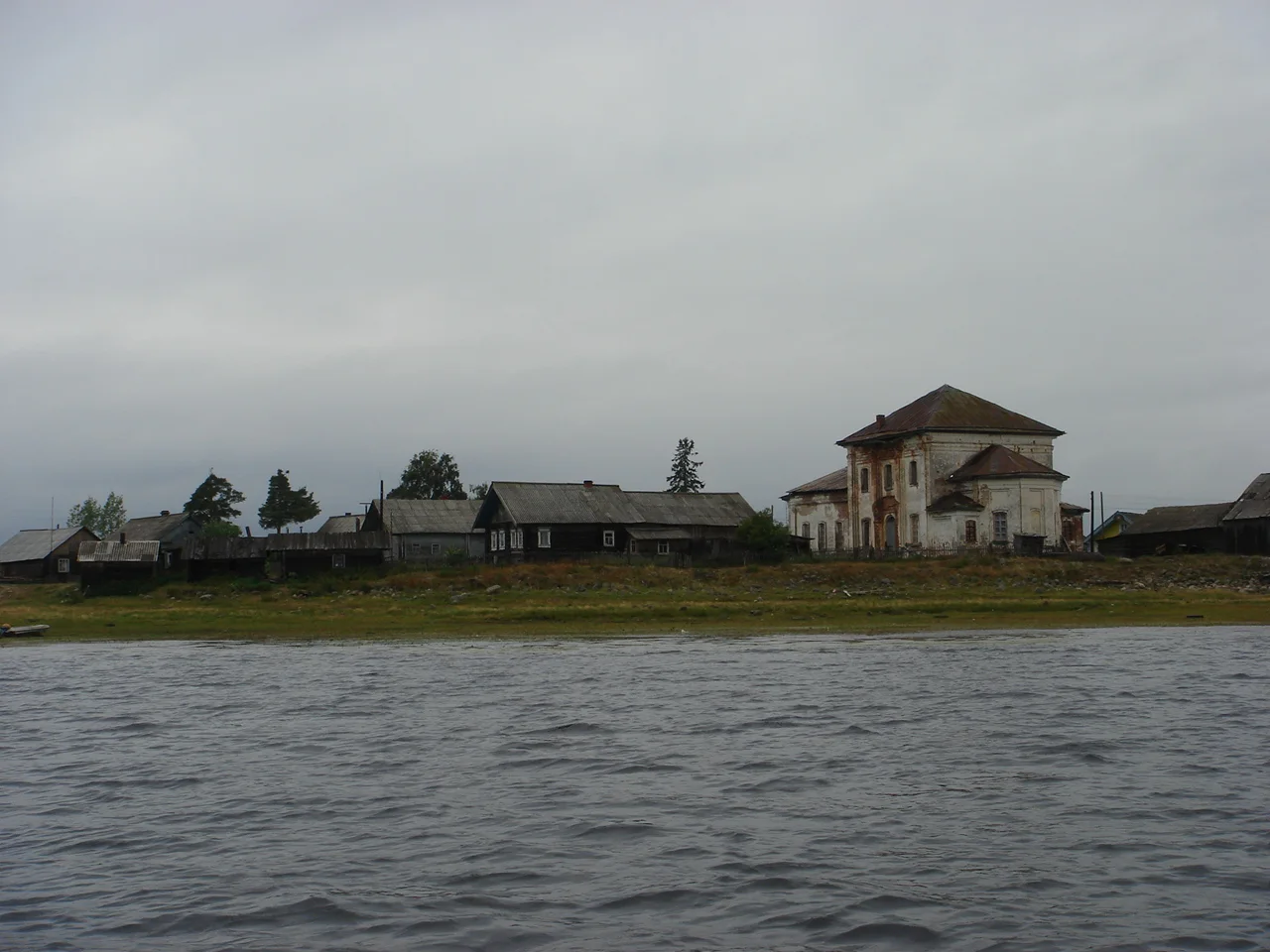
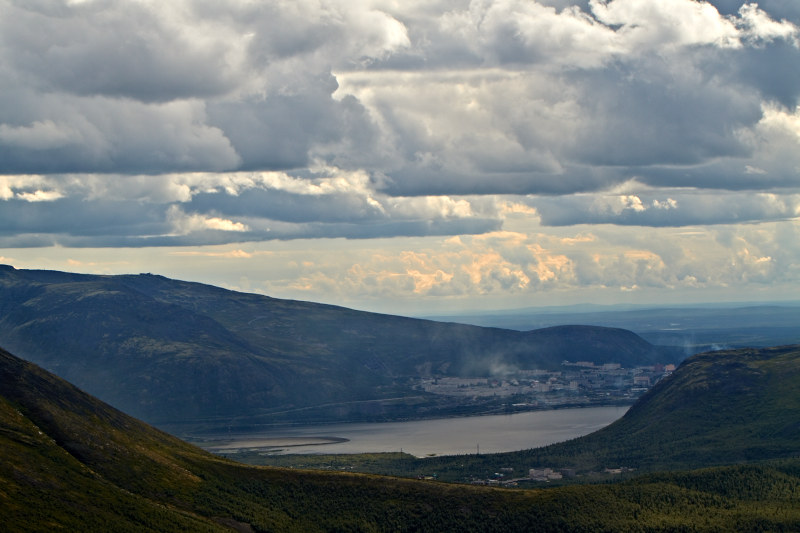
The park makes most sense from the water, moving between islands, old settlements and forest shorelines with no urban edge in sight.
Start with the signature stop, then leave enough time to follow one secondary route without rushing between disconnected photo stops.
Look a little closer
Worth discovering
The details that make Vodlozersky National Park different.
Destination view
01
Vodlozero Lake
A broad island-dotted lake defines the park.
Destination view
02
Kuganavolok
The main village is a practical gateway to boat routes.
Destination view
03
Ilyinsky Pogost
A historic church ensemble stands on a remote lakeshore.
Photo journal
A closer look at Vodlozersky National Park
7 photographs
01Vodl 0701 85002Vodlozersky National Park — view 203DSCF5025rot04Vodl 0701 85105Водлозерский национальный парк06Водлозеро, Загорье - panoramio0701 vo p8 011
Beyond the surface
Reading the layers of Vodlozersky National Park
A huge lake-and-taiga park preserves wooden villages, quiet islands and long water routes in northern European Russia. This account follows the forces, communities and decisions that made the present landscape.
4 min readKarelia and Arkhangelsk, Russia
Vodlozersky National Park is centred on Karelia and Arkhangelsk, where a huge lake-and-taiga park preserves wooden villages, quiet islands and long water routes in northern European Russia. The strongest reason to make the journey is to spend a night in a lake village reached by boat.
The familiar invitation at Vodlozersky National Park is “Spend a night in a lake village reached by boat”, yet that image makes more sense when it is connected to the landform, the local economy and the changes that determined access. The park makes most sense from the water, moving between islands, old settlements and forest shorelines with no urban edge in sight.
The first layer of Vodlozersky National Park is geological and ecological rather than scenic. The wider landscape is best understood through a sequence of short routes rather than one viewpoint.
Dense vegetation hides long views, so detail becomes the guide. At Vodlozersky National Park, “Vodlozero Lake” offers a way to read water, soil and disturbance inside the forest system. A broad island-dotted lake defines the park.
02
Settlement and memory
Routes, livelihoods and belonging
Vodlozero's lake basin supported fishing villages, forest use and water transport for centuries. Wooden churches and chapels served dispersed communities whose connections ran across the lake rather than along roads.
Old Believer traditions and the relative isolation of the region helped preserve distinctive practices, but twentieth-century collectivisation and migration emptied many settlements. Vodlozersky National Park was founded in 1991 across Karelia and Arkhangelsk to protect both taiga and cultural heritage.
03
Turning point
What altered the old balance
The park inherited a landscape where conservation must include abandoned villages, active communities and religious sites. Restoration and limited tourism now attempt to keep cultural memory present without recreating a false museum village.
04
On the ground
The small features that reveal the larger pattern
At Vodlozersky National Park, the feature “Vodlozero Lake” is one of the most useful pieces of visible evidence. A broad island-dotted lake defines the park. Its position and condition at Vodlozersky National Park connect physical history with the way people use the place now.
Look closely at the feature “Kuganavolok” in Vodlozersky National Park; it carries information that a panoramic view can miss. The main village is a practical gateway to boat routes. Within Vodlozersky National Park, it is both an attraction and a record of the processes described above.
At Vodlozersky National Park, the significance of the feature “Ilyinsky Pogost” goes beyond its visual impact. A historic church ensemble stands on a remote lakeshore. Within Vodlozersky National Park, it is both an attraction and a record of the processes described above.
05
Present day
What continues to change
A single visit to Vodlozersky National Park captures only one phase of its annual cycle. For Vodlozersky National Park, the most reliable visiting window is Jun-Sep.
For Vodlozersky National Park, the stated visiting window is Jun-Sep, but its practical meaning depends on local weather, water and transport rather than the calendar alone.
Placed within its wider geography, Vodlozersky National Park is not an isolated exception. Beyond the best-known image of Vodlozersky National Park feature, Vodlozersky National Park matters because kuganavolok and ilyinsky pogost place the destination inside a broader regional story.
Chronology
Key dates
Lake-based village network
Fishing, haymaking and boat routes organised settlement around Vodlozero.
Population decline
Collectivisation, service withdrawal and urban migration emptied numerous villages.
National park established
A large taiga and cultural landscape received coordinated protection.
Travel notes
Plan your visit
Time needed
2-3 days
Getting around
Walking locally, with road or water links between stops
Effort
Easy to moderate
Plan first
Opening days, local access and accommodation
Time of day
Morning and late afternoon
Best window
Jun-Sep
Traveller stories
Stories from people who have been here.
First-hand moments, practical notes and overlooked details from Vodlozersky National Park.