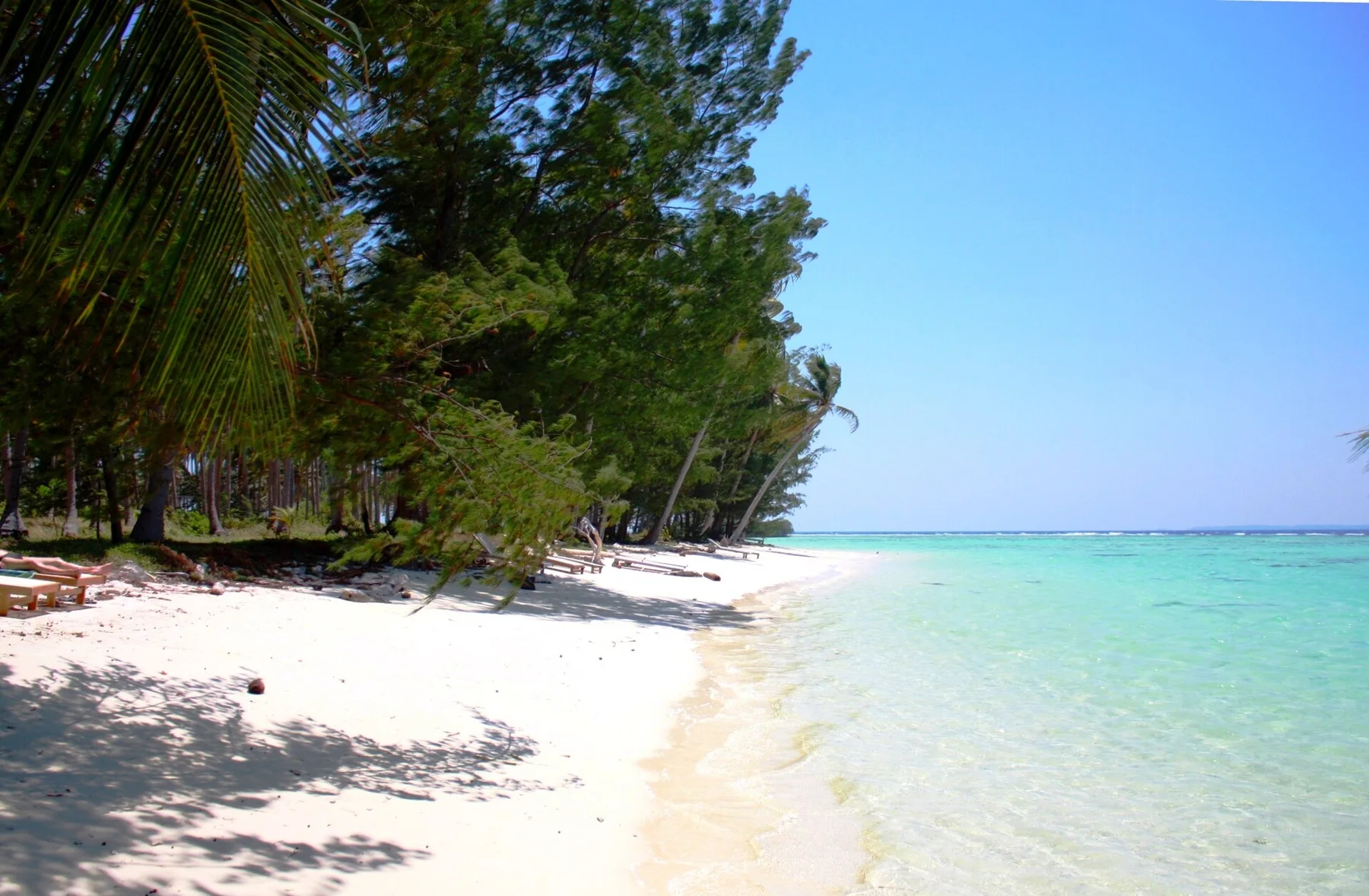
Sulawesi's quiet eastern archipelago

Banggai Islands

A dispersed Indonesian archipelago of limestone islands, coral water, fishing villages and endemic species far from the country's main tourism routes.

ArchipelagoMarine lifeRemote villages

Location
Central Sulawesi, Indonesia
Best window
Apr-Oct
Suggested stay
5-8 days
Go for
Slow inter-island travel
The reason to go

An archipelago that still demands patience

Banggai is rewarding because movement remains local and weather-dependent, revealing a network of islands whose ecological and cultural identity is not organised around a single resort centre.

Stay long enough to connect Banggai Islands's headline landscape with one quieter local route rather than treating it as a single viewpoint.

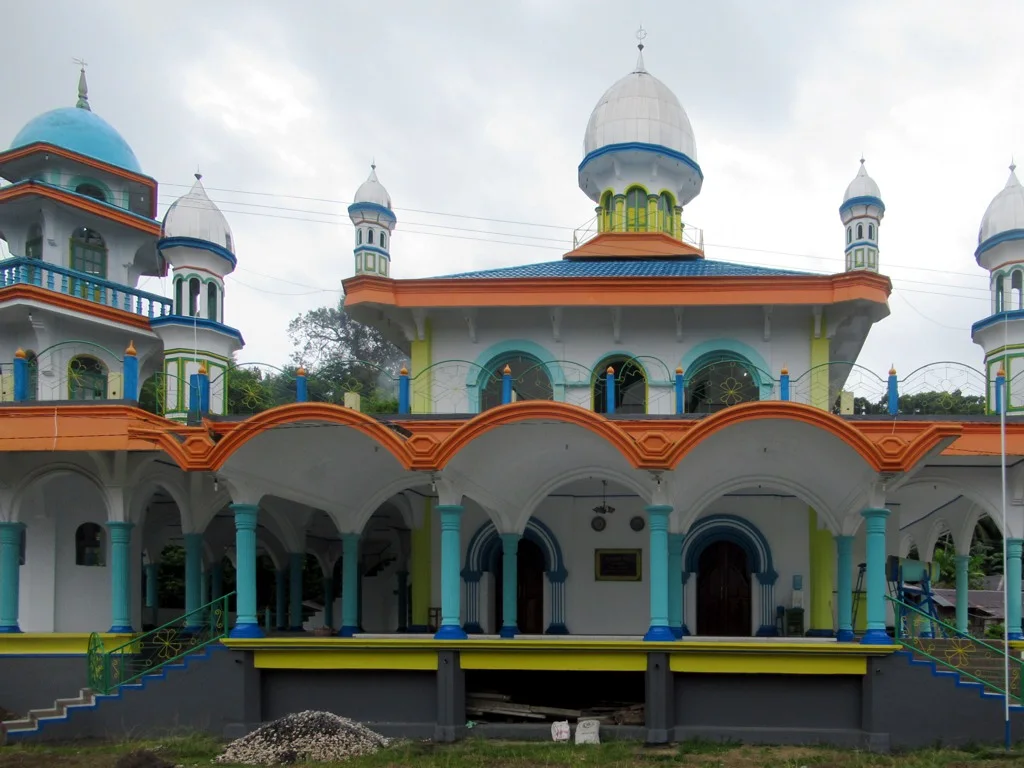
Look a little closer

Worth discovering

The details that make Banggai Islands different.

Destination view
01

An endemic cardinalfish

The Banggai cardinalfish has an extremely restricted natural range and became a symbol of both marine uniqueness and conservation pressure.

Photo journal
02

Limestone lakes

Some islands contain clear inland lakes and karst basins separated from the surrounding sea.

Destination view
03

Sea-based connections

Boats link villages, markets and services across distances that look short on a map but can require careful timing.

Photo journal

A closer look at Banggai Islands

4 photographs
Origins and change

The landscape memory of Banggai Islands

A dispersed Indonesian archipelago of limestone islands, coral water, fishing villages and endemic species far from the country's main tourism routes. The view is only the surface of a longer story of formation, use and change.

Banggai Islands is best approached through the relationship between its setting and its lived landscape. Banggai is rewarding because movement remains local and weather-dependent, revealing a network of islands whose ecological and cultural identity is not organised around a single resort centre.

Visitors often encounter Banggai Islands through the idea of “Slow inter-island travel”, but the destination is more than that single scene. Its landscape carries evidence of work, movement, adaptation and environmental change. At Banggai Islands, allow enough time to connect Banggai Islands's headline landscape with one quieter local route instead of reducing Banggai Islands to a single viewpoint.

Continue to practical planning
Rusli Moidady - Serfi Kambey,,Calon Bupati dan Calon Wakil Bupati Banggai Kepulauan 2024-2029See the complete photo journal
Origins

The landform before the landmark

Understanding Banggai Islands starts below the visible surface. Low limestone islands, mangroves, reef flats, deep channels and forested interiors create highly varied habitats within a scattered maritime geography.

On an island, coast, altitude and exposure work together. At Banggai Islands, the feature described as “An endemic cardinalfish” shows how a short distance can separate sheltered ground from a very different ocean-facing environment. The Banggai cardinalfish has an extremely restricted natural range and became a symbol of both marine uniqueness and conservation pressure.

Settlement and memory

People, work and memory

The Banggai Islands formed the maritime core of a small kingdom connected by tribute and trade to Ternate and other eastern Indonesian powers. Fishing, sea cucumber, forest products and inter-island sailing linked coastal communities across reefs and deep channels.

Dutch colonial rule worked through local rulers before the islands were incorporated into independent Indonesia. Administrative division and improved transport later shifted growth toward larger towns, while many smaller islands retained locally organised fisheries and gardens.

Turning point

What altered the old balance

The Banggai cardinalfish, found naturally in a very restricted range, became both an aquarium-trade target and a conservation emblem. Its story exposed how global demand can reach small village reefs and made community-based marine management a central issue.

Details to read

Where the story becomes visible

At Banggai Islands, the feature “An endemic cardinalfish” provides a precise clue to how the landscape works. The Banggai cardinalfish has an extremely restricted natural range and became a symbol of both marine uniqueness and conservation pressure. Within Banggai Islands, it is both an attraction and a record of the processes described above.

Start with the feature “Limestone lakes”, because it condenses a much larger part of the story of Banggai Islands. Some islands contain clear inland lakes and karst basins separated from the surrounding sea. Within Banggai Islands, the feature explains why this destination differs from nearby landscapes.

Start with the feature “Sea-based connections”, because it condenses a much larger part of the story of Banggai Islands. Boats link villages, markets and services across distances that look short on a map but can require careful timing. At Banggai Islands, it gives a concrete reference point for reading change rather than merely collecting viewpoints.

Present day

Season, scale and the present day

At Banggai Islands, season is part of the landscape history, not merely a planning detail. Drier months generally improve sea travel and underwater visibility, but local wind and swell remain more important than broad seasonal averages.

For Banggai Islands, the most useful time of day is: morning crossings.

For Banggai Islands, plan this first: boat links, cash and accommodation.

Placed within its wider geography, Banggai Islands is not an isolated exception. For Banggai Islands, the wider context shows that, the eastern coast of Central Sulawesi and the Togean and Sula island worlds provide wider context, though connections can be slow.

Chronology

Key dates

  1. Banggai kingdom and maritime trade

    Island rulers and communities participated in eastern Indonesian exchange networks.

  2. Dutch indirect rule

    Local authority was incorporated into a wider colonial administrative system.

  3. Cardinalfish conservation

    Aquarium collection and habitat pressure brought international attention to endemic reef life.

In context

Get to know the place

The landscape

Low limestone islands, mangroves, reef flats, deep channels and forested interiors create highly varied habitats within a scattered maritime geography.

People and place

Fishing, coconut production and boat travel structure daily life, with Banggai, Saluan and other local identities expressed across different islands and languages.

Seasonal character

Drier months generally improve sea travel and underwater visibility, but local wind and swell remain more important than broad seasonal averages.

Beyond the main view

The eastern coast of Central Sulawesi and the Togean and Sula island worlds provide wider context, though connections can be slow.

Travel notes

Plan your visit

Time needed
5-8 days
Getting around
Ferry, local boat and motorbike
Effort
Moderate
Plan first
Boat links, cash and accommodation
Time of day
Morning crossings
Best window
Apr-Oct
Keep exploring

Where next?

All place stories