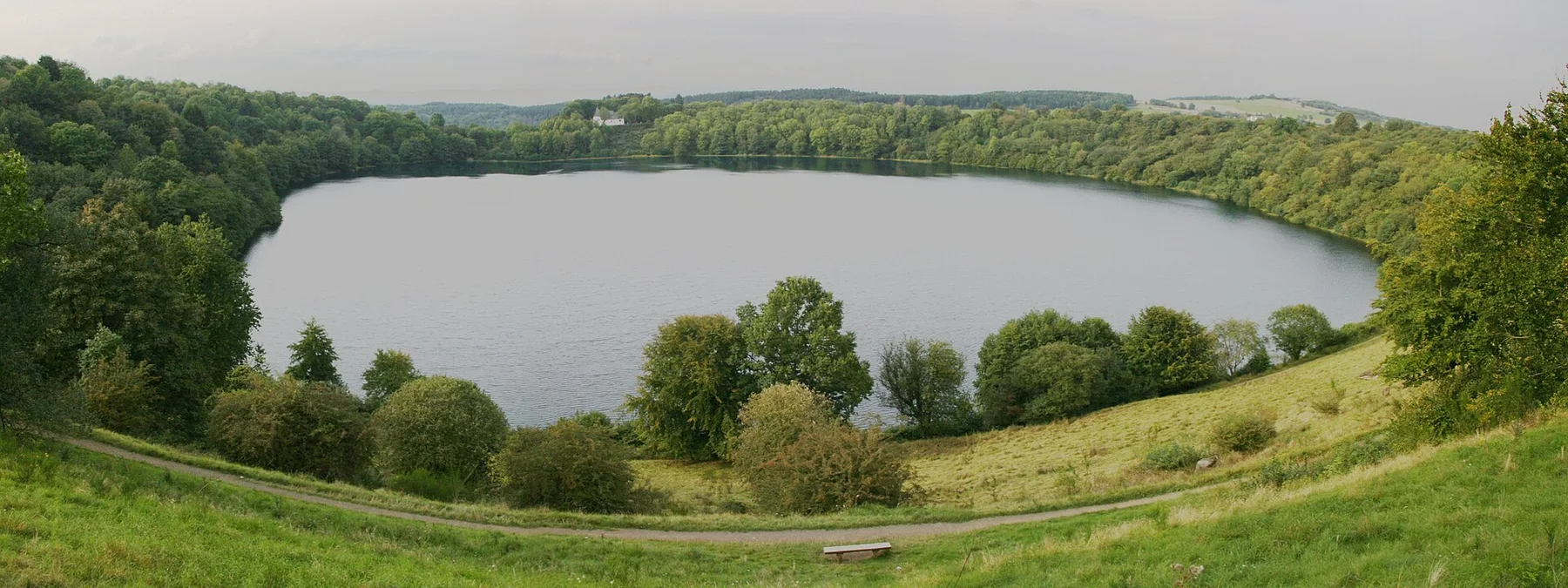
Northern highlands

Harz Mountains

Forested ridges, reservoirs, mining heritage, steam railways and timber towns form a compact mountain region in central Germany.

Steam railwayForestTimber towns

Location
Central Germany, Germany
Best window
All year
Suggested stay
2-4 days
Go for
Historic mountain break
The reason to go

The Brocken

The highest summit dominates the northern skyline and carries layers of weather observation, border history and folklore.

Start early and make this the first exposed stop of the day. Keep a lower route ready if cloud, heat, wind or trail conditions change during All year.

Look a little closer

Worth discovering

The details that make Harz Mountains different.

Photo journal
01

The Brocken

The highest summit dominates the northern skyline and carries layers of weather observation, border history and folklore.

Destination view
02

Narrow-gauge network

Steam railways connect valleys, towns and the summit across one of Europe's largest surviving mountain systems.

Destination view
03

Historic towns

Timber architecture and mining heritage anchor the upland landscape in a dense cultural region.

Photo journal

A closer look at Harz Mountains

15 photographs
The full story

Harz Mountains: land, people and change

Forested ridges, reservoirs, mining heritage, steam railways and timber towns form a compact mountain region in central Germany. This account follows the forces, communities and decisions that made the present landscape.

Harz Mountains is best approached through the relationship between its setting and its lived landscape. The Harz rises abruptly from the northern German lowlands and has long served as a mountain refuge close to major cities. Forested ridges, reservoirs, peatland, mining landscapes and historic towns are linked by a dense network of roads and railways. The region's scale is moderate, but its cultural layers are unusually deep.

The familiar invitation at Harz Mountains is “The Brocken”, yet that image makes more sense when it is connected to the landform, the local economy and the changes that determined access. The highest summit dominates the northern skyline and carries layers of weather observation, border history and folklore.

Continue to practical planning
Brocken View to BraunlageSee the complete photo journal
Natural history

How the landscape was assembled

At Harz Mountains, the form of the landscape explains many of the choices that came later. Granite uplands around the Brocken contrast with deeply cut valleys and managed forest. Storms, drought and bark beetle have changed large areas of woodland, creating open views where dense spruce once dominated. This visible ecological transition has become part of the modern Harz landscape rather than a background process.

The canopy at Harz Mountains is not uniform. Around “The Brocken”, changes in moisture, elevation or past use reveal its internal structure. The highest summit dominates the northern skyline and carries layers of weather observation, border history and folklore.

Settlement and memory

How people learned to live here

At Harz Mountains, people learned to work with the landscape limits rather than arriving after its story was complete. Mining shaped settlements, water systems and technical heritage for centuries. Narrow-gauge steam railways now connect many of the valleys, while towns such as Wernigerode and Quedlinburg preserve highly distinctive architecture. Folklore surrounding the Brocken adds another layer to the region's identity.

At Harz Mountains, the feature described as “Narrow-gauge network” offers a second line of evidence. Steam railways connect valleys, towns and the summit across one of Europe's largest surviving mountain systems. Within Harz Mountains, it shows how local knowledge and practical use became embedded in the landscape.

Reorganisation

The modern turning point

Formal protection changed how Harz Mountains was described and managed. At Harz Mountains, new boundaries, visitor rules and conservation priorities created a public identity that still has to coexist with settlements, customary use and economic pressures. At Harz Mountains, the current visitor experience is the newest layer rather than the whole history.

Details to read

What to read in the landscape

Start with the feature “The Brocken”, because it condenses a much larger part of the story of Harz Mountains. The highest summit dominates the northern skyline and carries layers of weather observation, border history and folklore. At Harz Mountains, the detail links local scale with the wider regional pattern.

Start with the feature “Narrow-gauge network”, because it condenses a much larger part of the story of Harz Mountains. Steam railways connect valleys, towns and the summit across one of Europe's largest surviving mountain systems. Within Harz Mountains, it is both an attraction and a record of the processes described above.

Start with the feature “Historic towns”, because it condenses a much larger part of the story of Harz Mountains. Timber architecture and mining heritage anchor the upland landscape in a dense cultural region. Within Harz Mountains, the feature explains why this destination differs from nearby landscapes.

Continuity

The place within its wider region

At Harz Mountains, light, water and temperature reveal different structures at different times of year. The Harz works in every season but never looks the same. Winter brings snow and steam against dark forest, spring reactivates streams, summer supports long walking and cycling days, and autumn intensifies the historic towns and mixed woodland. Conditions on the Brocken can remain harsher than those in surrounding valleys.

For Harz Mountains, the main seasonal constraint is: the strongest planning window is All year. For Harz Mountains, outside it, check weather, daylight, road or ferry schedules and seasonal closures before committing to a fixed route.

For Harz Mountains, one practical detail matters: cloud, wind and trail conditions can change quickly. For Harz Mountains, put the highest or most exposed stop first and keep a lower-level alternative.

Placed within its wider geography, Harz Mountains is not an isolated exception. For Harz Mountains, the wider context shows that, the mountains sit across several federal states and between cities including Hanover, Leipzig and Magdeburg. For Harz Mountains, their central position makes the Harz accessible, but the combination of working towns, forest change and industrial heritage gives the region more substance than a simple weekend escape.

Travel notes

Plan your visit

Time needed
2-4 days
Getting around
Car to access points, then walking or hiking
Effort
Moderate
Plan first
Opening days and any limited-entry sites
Time of day
Start early for clearer conditions and more time
Best window
All year
Traveller stories

Stories from people who have been here.

First-hand moments, practical notes and overlooked details from Harz Mountains.

Loading traveller stories…

Browse all traveller stories ↗

Keep exploring

Where next?

All place stories