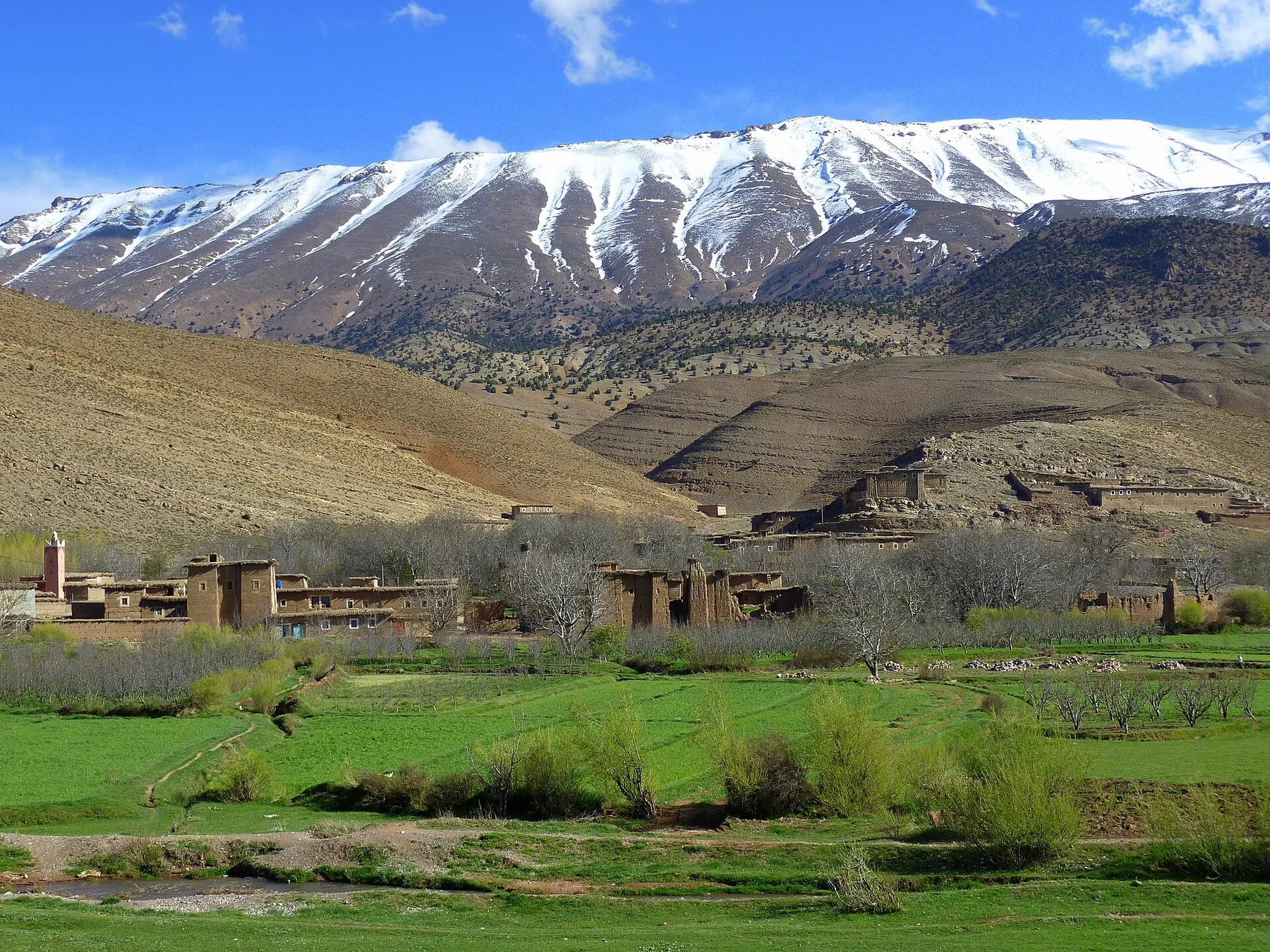
A single visit to Maletsunyane Falls captures only one phase of its annual cycle. Summer rainfall generally gives the waterfall its strongest flow and turns the plateau green. Winter is drier, colder and often clearer, with frost and occasional snow in the highlands. Conditions can differ sharply between sun-exposed slopes and the gorge.
For Maletsunyane Falls, the main seasonal constraint is: the strongest planning window is Oct-Apr. For Maletsunyane Falls, outside it, check weather, daylight, road or ferry schedules and seasonal closures before committing to a fixed route.
For Maletsunyane Falls, one practical detail matters: cloud, wind and trail conditions can change quickly. For Maletsunyane Falls, put the highest or most exposed stop first and keep a lower-level alternative.
Placed within its wider geography, Maletsunyane Falls is not an isolated exception. For Maletsunyane Falls, the wider context shows that, the falls belong to Lesotho's broader mountain system of basalt plateaus and deeply cut rivers. For Maletsunyane Falls, routes toward Thaba-Tseka, the Maloti range and the lowlands reveal how the country's settlement and transport are organised by elevation.