Trigrad and Yagodina gorges
Karst rivers cut narrow passages through the western Rhodopes.
Start early and make this the first exposed stop of the day. Keep a lower route ready if cloud, heat, wind or trail conditions change during May-Oct.
Forested ridges, karst gorges, high meadows and dispersed villages create a broad mountain world across southern Bulgaria.
Karst rivers cut narrow passages through the western Rhodopes.
Start early and make this the first exposed stop of the day. Keep a lower route ready if cloud, heat, wind or trail conditions change during May-Oct.
The details that make Rhodope Mountains different.
Karst rivers cut narrow passages through the western Rhodopes.
Conifer landscapes and open meadows create long, quiet transitions between settlements.
Stone houses and local traditions remain embedded within the inhabited highlands.
Forested ridges, karst gorges, high meadows and dispersed villages create a broad mountain world across southern Bulgaria. This account follows the forces, communities and decisions that made the present landscape.
Rhodope Mountains is best approached through the relationship between its setting and its lived landscape. The Rhodopes spread across southern Bulgaria as a broad system of forested ridges, plateaus and deeply cut river valleys. Unlike sharper alpine ranges, their scale is gradual and inhabited, with villages appearing on high benches and in sheltered basins.
Many visits to Rhodope Mountains begin with the experience described as “Trigrad and Yagodina gorges”. The more revealing question is why it exists here, how people used the surrounding ground and what remains visible from earlier phases. Karst rivers cut narrow passages through the western Rhodopes.
Continue to practical planningUnderstanding Rhodope Mountains starts below the visible surface. Conifer forest dominates much of the western range, while limestone and marble create caves, gorges and pale rock walls. Meadows and reservoir shores interrupt the forest and provide long views across layered ridges.
The skyline is only the upper edge of a larger system. At Rhodope Mountains, “Trigrad and Yagodina gorges” connects the high ground with valleys, settlement and the movement of water below. Karst rivers cut narrow passages through the western Rhodopes.
The cultural layer of Rhodope Mountains is easiest to read in homes, fields, paths and local institutions. The mountains contain Bulgarian Muslim and Christian communities, stone villages and a strong tradition of pastoral and forestry work. Local music, food and architecture remain closely associated with the terrain rather than existing only as tourist presentation.
A close look at “High forest plateaus” makes the cultural layer of Rhodope Mountains more concrete. Conifer landscapes and open meadows create long, quiet transitions between settlements. At Rhodope Mountains, the surviving form links present-day identity with earlier work and settlement.
The decisive modern change at Rhodope Mountains was access. At Rhodope Mountains, transport and visitor infrastructure made the landscape easier to reach while concentrating pressure at the few points where roads, boats or trails enter it. At Rhodope Mountains, the consequences are clearest where traditional use, protection and tourism occupy the same ground.
Look closely at the feature “Trigrad and Yagodina gorges” in Rhodope Mountains; it carries information that a panoramic view can miss. Karst rivers cut narrow passages through the western Rhodopes. Within Rhodope Mountains, it is both an attraction and a record of the processes described above.
At Rhodope Mountains, the significance of the feature “High forest plateaus” goes beyond its visual impact. Conifer landscapes and open meadows create long, quiet transitions between settlements. For Rhodope Mountains, that relationship is more informative than treating the feature only as a photograph or checklist item.
Look closely at the feature “Mountain villages” in Rhodope Mountains; it carries information that a panoramic view can miss. Stone houses and local traditions remain embedded within the inhabited highlands. Within Rhodope Mountains, it is both an attraction and a record of the processes described above.
A single visit to Rhodope Mountains captures only one phase of its annual cycle. Late spring and early summer bring strong vegetation and cool walking conditions. Summer is reliable at altitude, while September and October offer clearer skies and autumn forest colour.
For Rhodope Mountains, the main seasonal constraint is: the strongest planning window is May-Oct. For Rhodope Mountains, outside it, check weather, daylight, road or ferry schedules and seasonal closures before committing to a fixed route.
For Rhodope Mountains, one practical detail matters: cloud, wind and trail conditions can change quickly. For Rhodope Mountains, put the highest or most exposed stop first and keep a lower-level alternative.
Placed within its wider geography, Rhodope Mountains is not an isolated exception. For Rhodope Mountains, the wider context shows that, the Rhodopes extend toward northern Greece and link with the wider Thracian and Balkan cultural landscapes. For Rhodope Mountains, their large scale rewards slow travel between valleys rather than a single headline viewpoint.
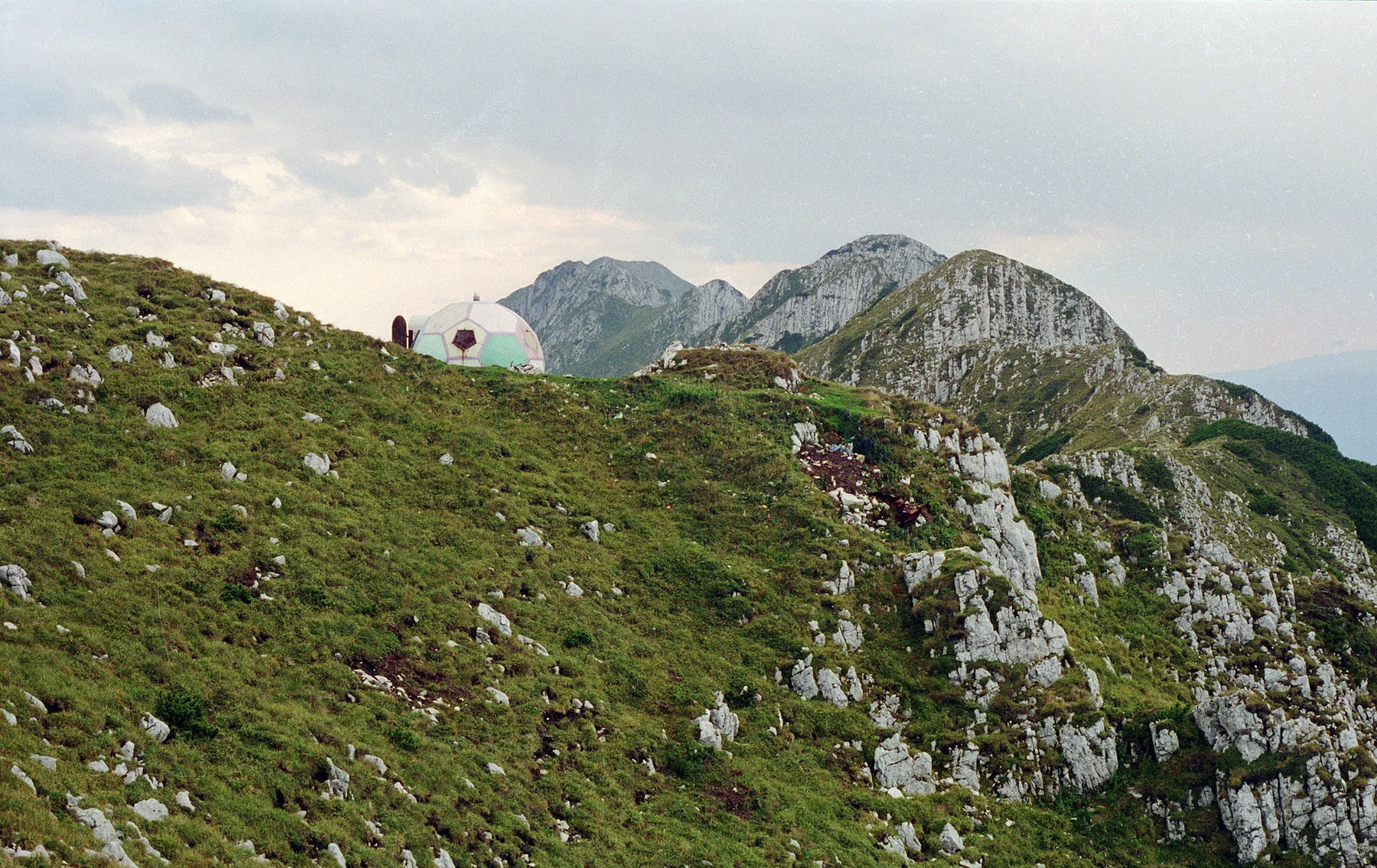
A narrow limestone ridge rises above forest, hay meadows and mountain villages in one of Romania’s most legible Carpathian landscapes.
Explore this place
A free-flowing Balkan river links gravel channels, mountain valleys, farmland and historic towns from the Greek border toward the Adriatic plain.
Explore this place
A low Baltic archipelago of red granite, pine forest, ferries and small maritime communities spread between Finland and Sweden.
Explore this place