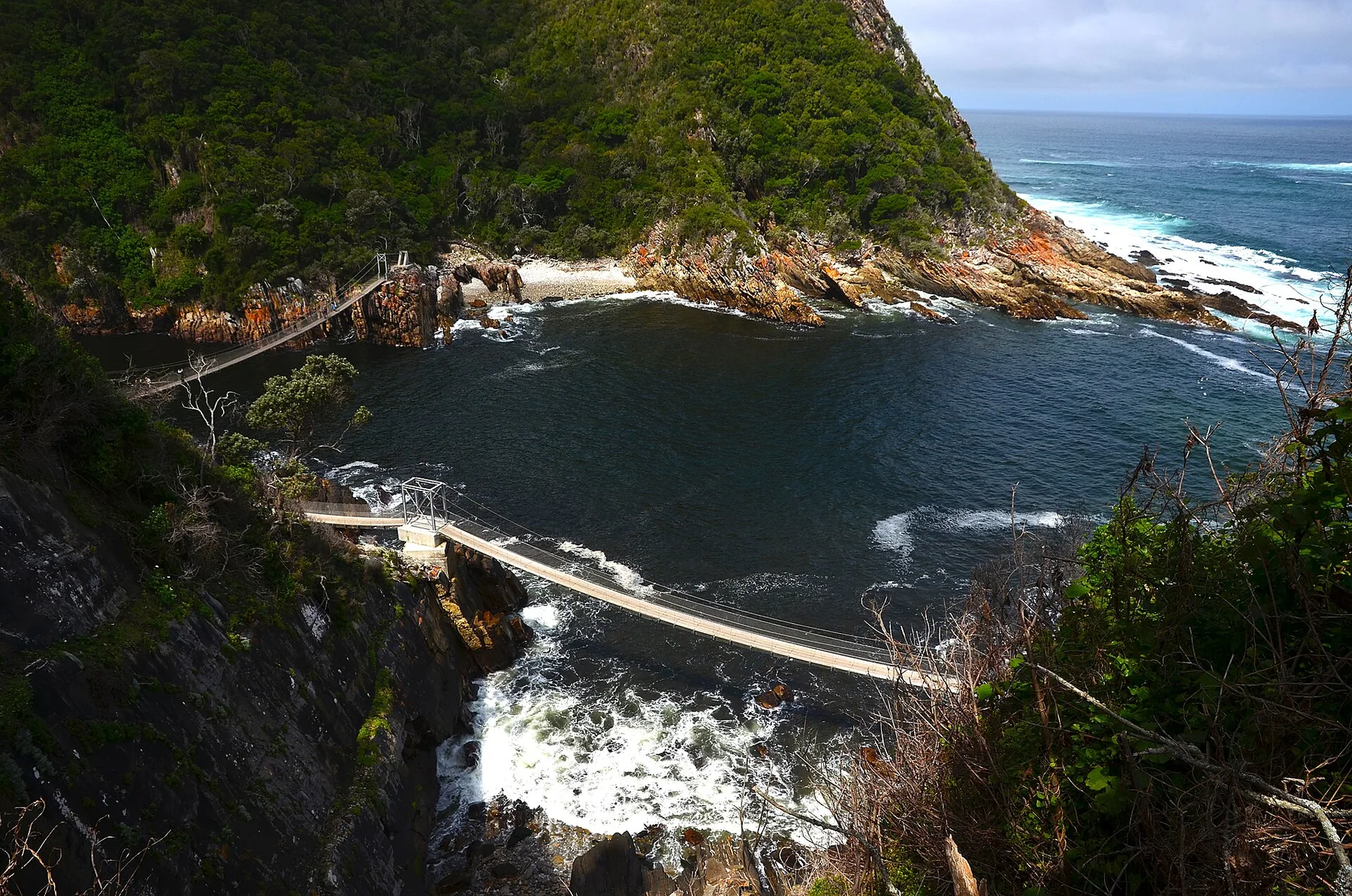
At Wild Coast, light, water and temperature reveal different structures at different times of year. Spring and autumn usually combine green hills with moderate temperatures. Summer is warm and humid with storms, while winter can offer clear days and cool nights. River conditions and road surfaces change after heavy rain.
For Wild Coast, the main seasonal constraint is: the strongest planning window is Mar-May, Sep-Nov. For Wild Coast, outside it, check weather, daylight, road or ferry schedules and seasonal closures before committing to a fixed route.
For Wild Coast, one practical detail matters: wind, sea state and tide can matter as much as distance. For Wild Coast, check conditions before boat trips, exposed cliffs or tidal sections.
Placed within its wider geography, Wild Coast is not an isolated exception. The Wild Coast links the former Transkei region with Pondoland, East London and the KwaZulu-Natal borderlands. For Wild Coast, marine protected areas, estuaries and inland grasslands form one connected ecological corridor.