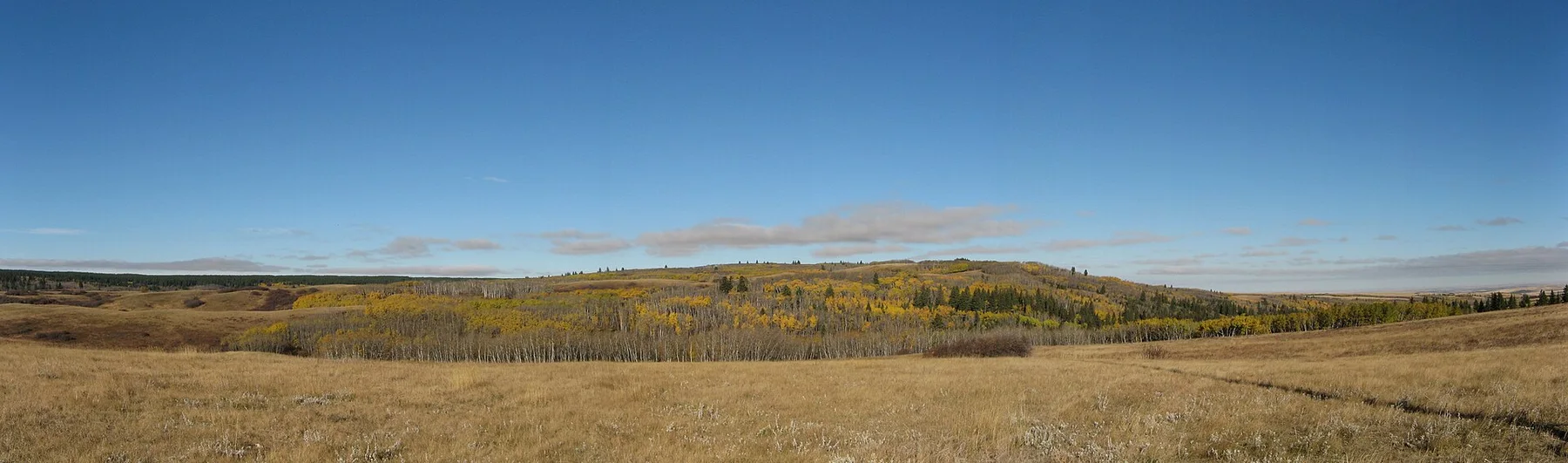
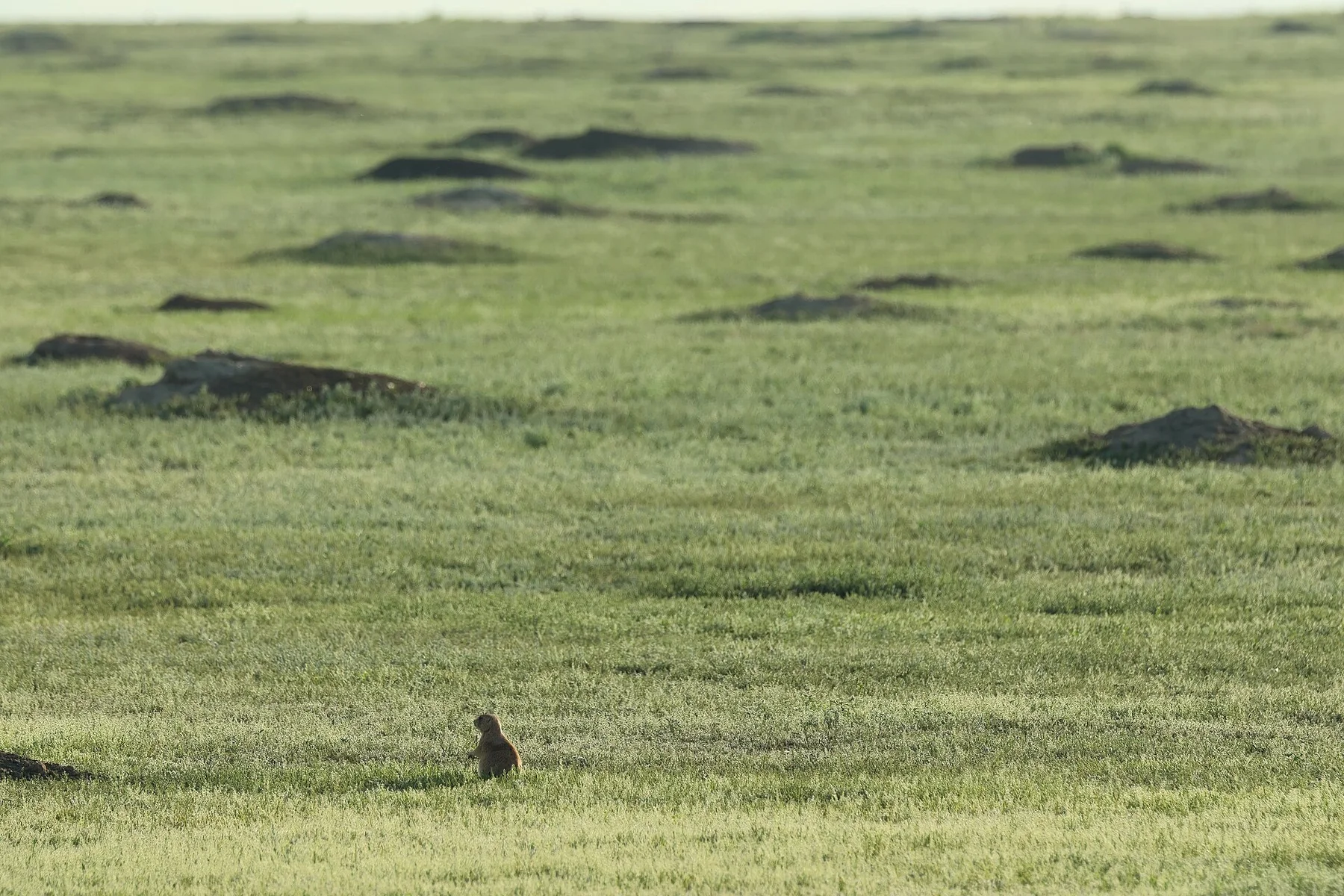
Mineral crusts, shallow pools and bison tracks create an almost desert-like scene inside the northern boreal forest.
Use an experienced local guide and begin early, when wildlife activity, water levels and cooler conditions are most favourable.
Look a little closer
Worth discovering
The details that make Wood Buffalo National Park different.
Photo journal
01
Salt Plains
Evaporation leaves bright mineral patterns and brine pools.
Photo journal
02
Peace-Athabasca Delta
One of the world's largest inland freshwater deltas supports huge birdlife.
Photo journal
03
Wood bison range
The park protects the largest free-roaming herds.
Photo journal
A closer look at Wood Buffalo National Park
10 photographs
01Mt. Portage, Wood Buffalo National Park02Wood Buffalo National Park — view 203Wood-Buffalo-NP Pine Lake 98-07-0304Wood-Buffalo-NP Salt Plains 98-07-0405Salt Plains, Wood Buffalo National Park06Wood-Buffalo-NP Gros Beak Lake 1 98-07-0207Wood-Buffalo-NP Salt Plains 98-07-0408American Bison, Madison River Area, Yellowstone National Park (2484648796)09Wood-Buffalo-NP Gros Beak Lake 2 98-07-0210Peace Point AB river
Origins and change
Wood Buffalo National Park: the story behind the landscape
Vast boreal plains, salt flats and the Peace-Athabasca Delta protect wood bison and whooping-crane habitat. This account follows the forces, communities and decisions that made the present landscape.
4 min readAlberta-Northwest Territories, Canada
Wood Buffalo National Park is centred on Alberta-Northwest Territories, where vast boreal plains, salt flats and the Peace-Athabasca Delta protect wood bison and whooping-crane habitat. The strongest reason to make the journey is to walk the white salt plains at low evening light.
The familiar invitation at Wood Buffalo National Park is “Walk the white salt plains at low evening light”, yet that image makes more sense when it is connected to the landform, the local economy and the changes that determined access. Mineral crusts, shallow pools and bison tracks create an almost desert-like scene inside the northern boreal forest.
Before roads, settlements or protected-area boundaries, the terrain of Wood Buffalo National Park set the basic terms. Water level determines the route, wildlife concentration and what ground is accessible. Boat or canoe travel often reveals more than a road-based visit.
At Wood Buffalo National Park, the landscape is measured by flooding and drainage rather than height. “Salt Plains” makes that seasonal geometry visible. Evaporation leaves bright mineral patterns and brine pools.
02
Cultural landscape
Lives shaped by the terrain
Wood Buffalo National Park was established in 1922 to protect the last major herds of wood bison. The new park overlaid the homelands and harvesting territories of Cree, Dene and Metis communities, whose access and livelihoods were restricted by conservation rules.
Thousands of plains bison were transferred north in the 1920s, introducing disease and hybridisation into the wood-bison population. The park later became known as the nesting ground of the last wild migratory flock of whooping cranes.
03
Modern history
A landscape reorganised
UNESCO listing in 1983 recognised its ecological scale, but dams and oil-sands development upstream have altered water flows into the Peace-Athabasca Delta. Indigenous nations continue to press for stronger governance and restoration.
04
Visible evidence
The small features that reveal the larger pattern
At Wood Buffalo National Park, the significance of the feature “Salt Plains” goes beyond its visual impact. Evaporation leaves bright mineral patterns and brine pools. Its position and condition at Wood Buffalo National Park connect physical history with the way people use the place now.
Look closely at the feature “Peace-Athabasca Delta” in Wood Buffalo National Park; it carries information that a panoramic view can miss. One of the world's largest inland freshwater deltas supports huge birdlife. At Wood Buffalo National Park, it gives a concrete reference point for reading change rather than merely collecting viewpoints.
At Wood Buffalo National Park, the feature “Wood bison range” provides a precise clue to how the landscape works. The park protects the largest free-roaming herds. For Wood Buffalo National Park, that relationship is more informative than treating the feature only as a photograph or checklist item.
05
Present day
A living landscape, not a frozen scene
At Wood Buffalo National Park, season is part of the landscape history, not merely a planning detail. For Wood Buffalo National Park, the most reliable visiting window is Jun-Sep.
For Wood Buffalo National Park, the stated visiting window is Jun-Sep, but its practical meaning depends on local weather, water and transport rather than the calendar alone.
Placed within its wider geography, Wood Buffalo National Park is not an isolated exception. Beyond the best-known image of Wood Buffalo National Park feature, Wood Buffalo National Park matters because peace-athabasca delta and wood bison range place the destination inside a broader regional story.
Chronology
Key dates
Park created for wood bison
Federal protection restricted local land use while seeking to prevent bison extinction.
Plains bison translocated
Thousands of animals were moved north, bringing disease and genetic mixing.
World Heritage inscription
The park's bison, cranes, salt plains and delta gained international recognition.
Travel notes
Plan your visit
Time needed
2-4 days
Getting around
Boat or canoe, plus short walks from landing points
Effort
Easy to moderate
Plan first
Water level, boat and local guide
Time of day
Early morning and late afternoon
Best window
Jun-Sep
Traveller stories
Stories from people who have been here.
First-hand moments, practical notes and overlooked details from Wood Buffalo National Park.