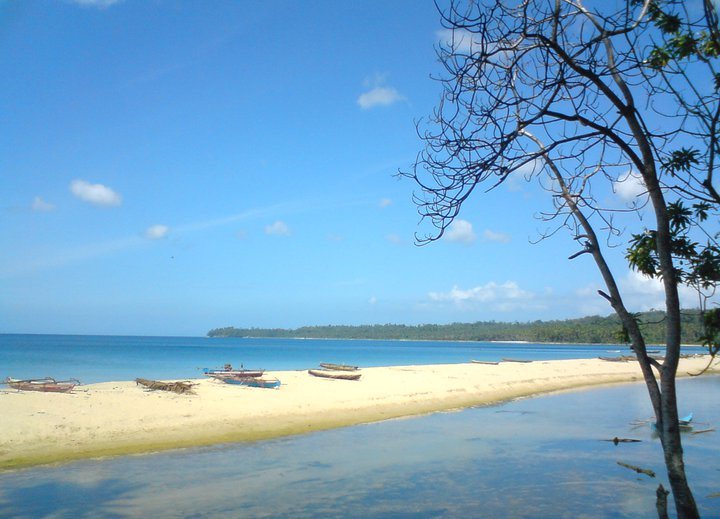
Savanna ritual island

Sumba

Savanna hills, limestone coast, traditional villages and megalithic tombs create an island identity distinct from its better-known neighbours.

Tall-roof villagesMegalithic tombsDry-season hills

Location
Lesser Sunda Islands, Indonesia
Best window
May-Oct
Suggested stay
2-4 days
Go for
Savanna and village route
The reason to go

Traditional villages

Tall thatched roofs and stone tombs create powerful silhouettes on ridges and within cultivated valleys.

Plan the least frequent boat, ferry or exposed coastal section first. Use early or late light and keep a weather alternative during May-Oct.

Look a little closer

Worth discovering

The details that make Sumba different.

Photo journal
01

Traditional villages

Tall thatched roofs and stone tombs create powerful silhouettes on ridges and within cultivated valleys.

Destination view
02

Seasonal savanna

The island shifts from vivid green to gold, making climate visible across the entire landscape.

Destination view
03

Ikat and horse culture

Textiles, ceremonial exchange and horses connect material culture with social identity.

Photo journal

A closer look at Sumba

14 photographs
The full story

Sumba beyond the first view

Savanna hills, limestone coast, traditional villages and megalithic tombs create an island identity distinct from its better-known neighbours. This account follows the forces, communities and decisions that made the present landscape.

Sumba lies east of Bali and Flores but has a markedly different landscape. Long dry-season hills, grassland, limestone valleys, waterfalls and exposed beaches replace the dense volcanic imagery associated with much of Indonesia. Traditional villages with very tall thatched roofs rise from ridges and valley edges.

The familiar invitation at Sumba is “Traditional villages”, yet that image makes more sense when it is connected to the landform, the local economy and the changes that determined access. Tall thatched roofs and stone tombs create powerful silhouettes on ridges and within cultivated valleys.

Continue to practical planning
The Magnificent Sunset from Sumba IslandSee the complete photo journal
Natural history

How the landscape was assembled

Understanding Sumba starts below the visible surface. Seasonal rainfall creates a strong visual cycle. Green hills dominate after the rains, while the dry months reveal gold grass, pale soil and the structure of terraces and ridges. Rivers cut through the interior and reach a coast of cliffs, reefs and wide beaches.

On an island, coast, altitude and exposure work together. At Sumba, the feature described as “Traditional villages” shows how a short distance can separate sheltered ground from a very different ocean-facing environment. Tall thatched roofs and stone tombs create powerful silhouettes on ridges and within cultivated valleys.

Human history

The cultural layer of the place

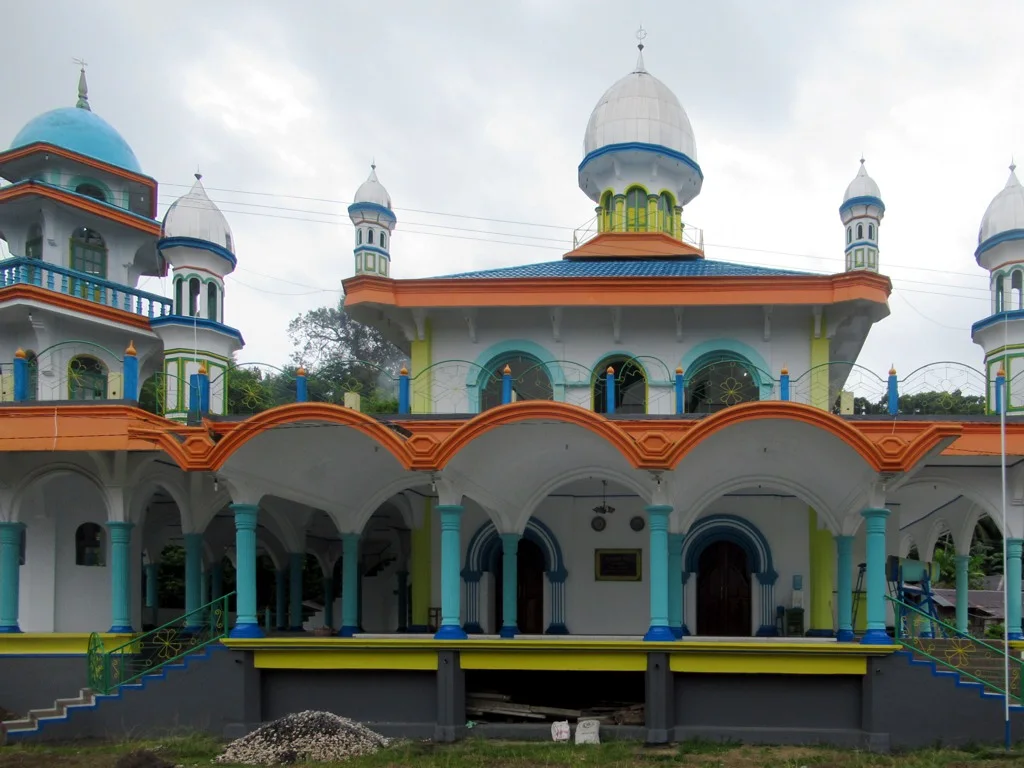
At Sumba, daily life gives the terrain a historical meaning that a viewpoint alone cannot provide. Megalithic tombs remain central features of many villages, and Marapu belief, textiles, horse culture and ceremonial exchange contribute to a living cultural landscape. Architecture is not staged separately from daily life; houses, tombs, livestock and communal spaces share the same village fabric.

At Sumba, “Seasonal savanna” should not be treated as a decorative detail. The island shifts from vivid green to gold, making climate visible across the entire landscape. The feature records how construction, movement or livelihood adapted to local conditions at Sumba.

Change

The change that redefined the place

The decisive modern change at Sumba was access. At Sumba, transport and visitor infrastructure made the landscape easier to reach while concentrating pressure at the few points where roads, boats or trails enter it. At Sumba, that transition remains visible in the contrast between older working features and visitor infrastructure.

On the ground

What to read in the landscape

At Sumba, the significance of the feature “Traditional villages” goes beyond its visual impact. Tall thatched roofs and stone tombs create powerful silhouettes on ridges and within cultivated valleys. Its position and condition at Sumba connect physical history with the way people use the place now.

Look closely at the feature “Seasonal savanna” in Sumba; it carries information that a panoramic view can miss. The island shifts from vivid green to gold, making climate visible across the entire landscape. Within Sumba, it is both an attraction and a record of the processes described above.

At Sumba, the significance of the feature “Ikat and horse culture” goes beyond its visual impact. Textiles, ceremonial exchange and horses connect material culture with social identity. For Sumba, that relationship is more informative than treating the feature only as a photograph or checklist item.

Living landscape

The current chapter

At Sumba, light, water and temperature reveal different structures at different times of year. The dry season generally offers easier movement and the island's characteristic golden hills. The wetter months transform the interior and fill waterfalls but can make roads more difficult. Ceremonial calendars vary locally and should not be reduced to fixed tourist dates.

For Sumba, the main seasonal constraint is: the strongest planning window is May-Oct. For Sumba, outside it, check weather, daylight, road or ferry schedules and seasonal closures before committing to a fixed route.

For Sumba, one practical detail matters: ferries, tunnels and weather can change the order of the day. For Sumba, build the route around the least frequent connection, not the closest viewpoint.

Placed within its wider geography, Sumba is not an isolated exception. Eastern and western Sumba differ in rainfall, settlement density and architectural expression. For Sumba, linking the island's interior villages with coastal areas and market towns reveals a far more varied place than the emerging resort zones alone.

Travel notes

Plan your visit

Time needed
2-4 days
Getting around
Car or local transport, plus ferries or boats and short walks
Effort
Moderate
Plan first
Main transport and accommodation
Time of day
Start early for clearer conditions and more time
Best window
May-Oct
Traveller stories

Stories from people who have been here.

First-hand moments, practical notes and overlooked details from Sumba.

Loading traveller stories…

Browse all traveller stories ↗

Keep exploring

Where next?

All place stories